This mild foaming cleanser is made to cleanse while calming and soothing your skin.

What's inside
What's inside
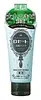 Key Ingredients
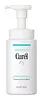
No key ingredients
Benefits
Concerns
Ingredients Side-by-side
Stearyl Glycyrrhetinate
Skin ConditioningMyristic Acid
Cleansing




Glycerin
Humectant

Palmitic Acid
Emollient
Stearic Acid
Cleansing
Lauric Acid
Cleansing
Potassium Hydroxide
BufferingLauramidopropyl Betaine
CleansingButylene Glycol
Humectant
Coco/Oleamidopropyl Betaine
CleansingGlycosyl Trehalose
Emulsion StabilisingHydrogenated Potato Starch
Kaolin
Abrasive



Montmorillonite
AbsorbentAluminum Silicate
Abrasive
Hydrogenated Phosphatidylcholine
Emulsifying
Trimethylpyrazine
Perfuming

Olea Europaea Fruit Oil
Masking
Wine Extract
Antioxidant
Glycine Soja Extract
Skin ConditioningHouttuynia Cordata Extract
Skin Conditioning

Acrylamide
Acrylic Acid
Diallyldimethyl Ammonium Chloride
Acrylamide/Sodium Acrylate Copolymer
Hydroxyethylpiperazine Ethane Sulfonic Acid
BufferingDisodium EDTA
ChelatingSodium Benzoate
Masking
Stearyl Glycyrrhetinate, Myristic Acid, Glycerin, Palmitic Acid, Stearic Acid, Lauric Acid, Potassium Hydroxide, Lauramidopropyl Betaine, Butylene Glycol, Coco/Oleamidopropyl Betaine, Glycosyl Trehalose, Hydrogenated Potato Starch, Kaolin, Montmorillonite, Aluminum Silicate, Hydrogenated Phosphatidylcholine, Trimethylpyrazine, Olea Europaea Fruit Oil, Wine Extract, Glycine Soja Extract, Houttuynia Cordata Extract, Acrylamide, Acrylic Acid, Diallyldimethyl Ammonium Chloride, Acrylamide/Sodium Acrylate Copolymer, Hydroxyethylpiperazine Ethane Sulfonic Acid, Disodium EDTA, Sodium Benzoate
Water
Skin ConditioningGlycerin
Humectant
Maltitol
HumectantPropylene Glycol
Humectant
PEG-150
HumectantSodium Cocoyl Glutamate
Cleansing
Sodium Lauroyl Aspartate
CleansingLauryl Hydroxysultaine
CleansingPolysorbate 60
Emulsifying
Ethylhexylglycerin
Skin ConditioningDisodium EDTA
ChelatingDipotassium Glycyrrhizate
Humectant
Potassium Hydroxide
BufferingPhenoxyethanol
Preservative
Methylparaben
Preservative

Reviews
Ingredients Explained
These ingredients are found in both products.
Ingredients higher up in an ingredient list are typically present in a larger amount.
Disodium EDTA is a chelating agent. It grabs onto and deactivates metal ions that sneak into your products from water, packaging, or air.
This ingredient mainly works behind the scenes and helps with:
On top of that, this ingredient can counteract the effects of hard water by binding to the minerals in it.
One thing worth knowing is that Disodium EDTA has been shown to be a mild penetration enhancer. It can help other ingredients absorb into skin more effectively which can be a double-edged sword (great for actives, but can also make the active too strong if you have sensitive skin).
Clinical patch testing showed no significant skin irritation at typical use concentrations and minimal dermal absorption.
You'll most likely see this ingredient near the end of an ingredient list. It's typically found in concentrations less than 1%.
Learn more about Disodium EDTAGlycerin (or glycerol) is a compound naturally found in your skin. It's a powerhouse humectant that pulls water into the stratum corneum.
Topically, glycerin does several things at once:
Your skin makes glycerin on its own (mostly from sebaceous oil breakdown) and shuttles it to your outermost layer of skin, or your epidermis, via aquaporin-3.
Aquaporin-3 is a transporter that is essential for normal skin hydration, elasticity, and repair. Interestingly, mice lacking in AQP3 have dry and less elastic skin that can be fully corrected with glycerin.
This ingredient is non-irritating, plays well with almost every ingredient, and works across all skin types. Typical use is anywhere between 3-10% but can go up to 79% in some leave-on products.
Just know very high concentrations (>40%) can feel tacky in low humidity.
Glycerin is the name for this ingredient in American English. British English uses Glycerol/Glycerine.
Learn more about GlycerinPotassium Hydroxide (also known as potash) is a strong alkaline ingredient that does one job: it nudges a product's pH up so the whole formula lands in a skin-friendly range.
It's also the base that turns oils into liquid soap during the soap making process.
An expert safety panel reviewed it and found it safe when formulations are made to be non-irritating.
As a pH adjuster, it's typically used well under 1% though regulatory caps go much higher: 5% in nail cuticle removers and 2-4.5% in hair straighteners.
Though there is some concern for irritation from raw or high pH material, a well-balanced formula will be a non-issue for the vast majority of people.
Learn more about Potassium Hydroxide

