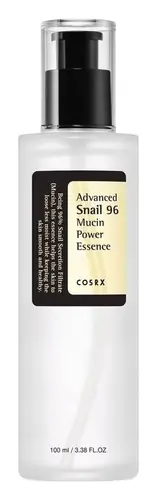
What's inside
What's inside
 Key Ingredients
Benefits
Concerns
Ingredients Side-by-side
Oryza Sativa Starch
AbsorbentSorbitol
Humectant

Disodium Lauryl Sulfosuccinate
CleansingSodium Cocoyl Glutamate
Cleansing
Erythritol
Humectant
Sodium Carboxymethyl Starch
Emulsion StabilisingMaltodextrin
Absorbent
Carica Papaya Fruit Extract
Skin ConditioningNelumbo Nucifera Flower Extract
Skin ConditioningXanthan Gum
EmulsifyingAnanas Sativus Fruit Extract
Skin ConditioningPapain
Skin Conditioning

Protease
Exfoliating
Limonene
Perfuming




Linalool
Perfuming
Citral
Perfuming
Parfum
Masking
Oryza Sativa Starch, Sorbitol, Disodium Lauryl Sulfosuccinate, Sodium Cocoyl Glutamate, Erythritol, Sodium Carboxymethyl Starch, Maltodextrin, Carica Papaya Fruit Extract, Nelumbo Nucifera Flower Extract, Xanthan Gum, Ananas Sativus Fruit Extract, Papain, Protease, Limonene, Linalool, Citral, Parfum
Caprylic/Capric Triglyceride
Masking
Dicaprylyl Ether
Emollient
Glycerin
Humectant
Water
Skin ConditioningHelianthus Annuus Hybrid Oil
Emollient

Olea Europaea Fruit Oil
Masking
Prunus Amygdalus Dulcis Oil
Skin Conditioning
Sesamum Indicum Seed Oil
Emollient
Sucrose Stearate
EmollientSucrose Laurate
Emollient
Phragmites Karka Extract
Skin ConditioningPoria Cocos Extract
Skin ConditioningMoringa Oleifera Seed Extract
Skin Conditioning
Nelumbo Nucifera Flower Extract
Skin ConditioningHelianthus Annuus Seed Oil
Emollient
Glyceryl Caprylate
EmollientSucrose Palmitate
EmollientMaltodextrin
Absorbent
Tocopherol
Antioxidant





Citric Acid
Buffering
Sodium Citrate
BufferingPotassium Sorbate
Preservative
Sodium Benzoate
Masking
Limonene
Perfuming
Linalool
Perfuming
Geraniol
Perfuming
Citral
Perfuming
Parfum
Masking
Caprylic/Capric Triglyceride, Dicaprylyl Ether, Glycerin, Water, Helianthus Annuus Hybrid Oil, Olea Europaea Fruit Oil, Prunus Amygdalus Dulcis Oil, Sesamum Indicum Seed Oil, Sucrose Stearate, Sucrose Laurate, Phragmites Karka Extract, Poria Cocos Extract, Moringa Oleifera Seed Extract, Nelumbo Nucifera Flower Extract, Helianthus Annuus Seed Oil, Glyceryl Caprylate, Sucrose Palmitate, Maltodextrin, Tocopherol, Citric Acid, Sodium Citrate, Potassium Sorbate, Sodium Benzoate, Limonene, Linalool, Geraniol, Citral, Parfum
Reviews
Ingredients Explained
These ingredients are found in both products.
Ingredients higher up in an ingredient list are typically present in a larger amount.
Citral is the molecule responsible for the fresh lemon scent in lemon, lime, and lemongrass. It is a fragrance ingredient that can be created from plant essential oils or synthetically.
Though Citral has documented antimicrobial activity against acne bacteria (which is where the marketing claims about it being good for acne-prone skin originate), real formulas use it at fragrance-level concentrations under 1% so there's likely no skin benefit.
You should know this ingredient is a known EU fragrance allergen.
Animal studies classifies this ingredient as a weak-to-moderate skin sensitizer and clinical patch testing on eczema patients confirmed it to be both a contact allergen and irritant.
The term 'citral' is a collective term for two geometric isomers: geranial/Citral A and neral/Citral B.
The term 'fragrance' is not regulated in many countries. In many cases, it is up to the brand to define this term. For instance, many brands choose to label themselves as "fragrance-free" because they are not using synthetic fragrances. However, their products may still contain ingredients such as essential oils that are considered a fragrance.
Learn more about CitralLimonene is a fragrance that adds scent and taste to a formulation.
It's found in the peel oil of citrus fruits and other plants such as lavender and eucalyptus. The scent of limonene is generally described as "sweet citrus".
Limonene acts as an antioxidant, meaning it helps neutralize free radicals.
When exposed to air, oxidized limonene may sensitize the skin. Because of this, limonene is often avoided by people with sensitive skin.
The term 'fragrance' is not regulated in many countries. In many cases, it is up to the brand to define this term. For instance, many brands choose to label themselves as "fragrance-free" because they are not using synthetic fragrances. However, their products may still contain ingredients such as essential oils that are considered a fragrance.
Learn more about LimoneneLinalool is a fragrance and helps add scent to products. It's derived from common plants such as cinnamon, mint, citrus, and lavender.
Like Limonene, this ingredient oxidizes when exposed to air. Oxidized linalool can cause allergies and skin sensitivity.
This ingredient has a scent that is floral, spicy tropical, and citrus-like.
Learn more about LinaloolMaltodextrin is a plant-derived carbohydrate made by breaking down starch (usually from corn, potato, or rice). In cosmetic formulas, it's a multitasking absorbent, emulsion stabilizer, and skin conditioner.
This ingredient is mostly used to stabilize emulsions and improve the powdery, non-greasy feel of products (like dry shampoos).
Safety-wise, this ingredient is pretty solid; it's even recognized as a food additive. Both animal and clinical studies found no adverse effects at the levels used in cosmetics.
Industry data shows this ingredient is used up to 45.7% in spray products and up to 33% in powder products.
Learn more about MaltodextrinNelumbo Nucifera Flower Extract is also known as Lotus Flower Extract and it's mainly valued as an antioxidant + soothing ingredient for skincare.
It's rich in polyphenols and flavonoids that protect skin against radical damage from UV rays and pollution.
Lab studies on human skin show it calms inflammation by reducing inflammatory signals in skin cells without causing cell damage.
Cell and formulation studies also point to whitening/brightening + anti-wrinkle effects; the extracts from the leaf, seed, and flower showed measurable elastase (wrinkle-related enzyme) and tyrosinase (pigment related enzyme) inhibition.
A cream containing lotus extract also no significant irritation and stayed stable over a month of storage.
Typical usage in cosmetics is usually on the lower end (~0.5-5%) depending on the formula.
Allergy-wise, this ingredient is considered low risk and often included in products made for sensitive/irritated skin. But like any plant extract, it carries a small possibility of contact allergy in people sensitive to plant extracts.
Learn more about Nelumbo Nucifera Flower ExtractParfum is a catch-all term for an ingredient or more that is used to give a scent to products.
Also called "fragrance", this ingredient can be a blend of hundreds of chemicals or plant oils. This means every product with "fragrance" or "parfum" in the ingredients list is a different mixture.
For instance, Habanolide is a proprietary trade name for a specific aroma chemical. When used as a fragrance ingredient in cosmetics, most aroma chemicals fall under the broad labeling category of “FRAGRANCE” or “PARFUM” according to EU and US regulations.
The term 'parfum' or 'fragrance' is not regulated in many countries. In many cases, it is up to the brand to define this term.
For instance, many brands choose to label themselves as "fragrance-free" because they are not using synthetic fragrances. However, their products may still contain ingredients such as essential oils that are considered a fragrance by INCI standards.
One example is Calendula flower extract. Calendula is an essential oil that still imparts a scent or 'fragrance'.
Depending on the blend, the ingredients in the mixture can cause allergies and sensitivities on the skin. Some ingredients that are known EU allergens include linalool and citronellol.
Parfum can also be used to mask or cover an unpleasant scent.
The bottom line is: not all fragrances/parfum/ingredients are created equally. If you are worried about fragrances, we recommend taking a closer look at an ingredient. And of course, we always recommend speaking with a professional.
Learn more about Parfum