Revolution Beauty Pout Bomb Shimmer Lip Gloss Versus Wyn Beauty Acceptance Speech Shimmering Hydrating Lip Gloss


What's inside
What's inside
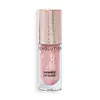 Key Ingredients
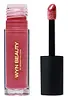
Benefits
Concerns
Ingredients Side-by-side
Polyisobutene
Ethylhexyl Palmitate
Emollient




Cera Microcristallina
Emulsion StabilisingSilica Dimethyl Silylate
EmollientButyrospermum Parkii Butter
Skin Conditioning

Vp/Hexadecene Copolymer
Synthetic Wax
Abrasive
Vp/Eicosene Copolymer
Silica
Abrasive

Glycerin
Humectant
Mica
Cosmetic ColorantPolysorbate 20
Emulsifying
Parfum
Masking


Ricinus Communis Seed Oil
Masking
Sodium Hyaluronate
Humectant


Tribehenin
Emollient
Hydrogenated Castor Oil
Emollient
Sorbeth-30 Tetraisostearate
Emulsifying
Tin Oxide
Abrasive
Palmitoyl Tripeptide-1
Skin Conditioning

Vanillin
Masking
CI 77891
Cosmetic ColorantCI 77491
Cosmetic ColorantCI 16035
Cosmetic ColorantPolyisobutene, Ethylhexyl Palmitate, Cera Microcristallina, Silica Dimethyl Silylate, Butyrospermum Parkii Butter, Vp/Hexadecene Copolymer, Synthetic Wax, Vp/Eicosene Copolymer, Silica, Glycerin, Mica, Polysorbate 20, Parfum, Ricinus Communis Seed Oil, Sodium Hyaluronate, Tribehenin, Hydrogenated Castor Oil, Sorbeth-30 Tetraisostearate, Tin Oxide, Palmitoyl Tripeptide-1, Vanillin, CI 77891, CI 77491, CI 16035
Polybutene
Octyldodecanol
Emollient
Bis-Diglyceryl Polyacyladipate-2
Emollient
Tricaprylin
Perfuming
Synthetic Wax
Abrasive
Silica Dimethyl Silylate
EmollientVp/Eicosene Copolymer
Vp/Hexadecene Copolymer
Mica
Cosmetic ColorantButyrospermum Parkii Butter
Skin Conditioning
Ricinus Communis Seed Oil
Masking
Aroma
Sorbitan Oleate
Emulsifying
Caprylyl Glycol
Emollient
Phenoxyethanol
Preservative
Hexylene Glycol
EmulsifyingSodium Hyaluronate
Humectant
Hydrogenated Castor Oil
Emollient
Olus Oil
Emollient
CI 77891
Cosmetic ColorantCI 17200
Cosmetic ColorantIron Oxides
CI 15850
Cosmetic ColorantPolybutene, Octyldodecanol, Bis-Diglyceryl Polyacyladipate-2, Tricaprylin, Synthetic Wax, Silica Dimethyl Silylate, Vp/Eicosene Copolymer, Vp/Hexadecene Copolymer, Mica, Butyrospermum Parkii Butter, Ricinus Communis Seed Oil, Aroma, Sorbitan Oleate, Caprylyl Glycol, Phenoxyethanol, Hexylene Glycol, Sodium Hyaluronate, Hydrogenated Castor Oil, Olus Oil, CI 77891, CI 17200, Iron Oxides, CI 15850
Ingredients Explained
These ingredients are found in both products.
Ingredients higher up in an ingredient list are typically present in a larger amount.
This ingredient is also known as shea butter. It is a plant-derived extract from the nuts of the Africa shea tree and one of the most well-studied emollients.
Because it has a high concentration of fatty acids (primarily oleic, stearic, and linoleic) it is able to form a protective barrier on the skin's surface. This helps seal in moisture and prevents transepidermal water loss (TEWL).
In vitro research found an increase in skin hydration by 58% and a decrease in TEWL by 37.8% after 24 hours of applying this ingredient (pretty impressive for a single ingredient!).
Besides hydration, shea butter also contains triterpenes that have anti-inflammatory potential. In particule, lupeol cinnamate has shown the highest anti-inflammatory activity in vivo.
Shea butter also contains vitamins A and E which may contribute to antioxidant activity.
While Shea Butter has an SPF rating of about 3-4, it is not a sunscreen replacement.
This ingredient may not be fungal acne safe because its fatty acids fall within the C11-C24 range that the Malassezia yeast can metabolize.
This ingredient shows up on a lot of "pore-clogging" lists but there's no real evidence behind that. It doesn't even have a comedogenic rating from an actual study; the numbers you'll find online come from blogs citing other blogs.
Ratings for other ingredients mostly come from a 1980s rabbit ear test. This test doesn't translate well to human skin or to real products because the ingredient sits at a much lower percentage.
Some people still find it breaks them out. So if that's you, definitely trust your skin. Just know this one's based on experience and not evidence.
Learn more about Butyrospermum Parkii ButterCi 77891 is a white pigment from Titanium dioxide. It is naturally found in minerals such as rutile and ilmenite.
It's main function is to add a white color to cosmetics. It can also be mixed with other colors to create different shades.
Ci 77891 is commonly found in sunscreens due to its ability to block UV rays.
Learn more about CI 77891Hydrogenated Castor Oil (aka "castor wax") is what you get when castor oil is turned into a wax.
Its dominant fatty acid is ricinoleic acid, giving it both emollient and mild humectant properties.
According to EU CosIng, this ingredient helps soften skin, keep oil and water stay mixed, and thickens products.
Hydrogenated castor oil at 30% did not trigger a positive patch-test reaction and is well-tolerated.
Since this ingredient is based on an 18-carbon fatty acid, it falls into the chain-length range that Malassezia can feed on and may not be fungal acne safe.
Learn more about Hydrogenated Castor OilMica is a naturally occurring mineral used to add shimmer and color in cosmetics. It can also help improve the texture of a product or give it an opaque, white/silver color.
Serecite is the name for very fine but ragged grains of mica.
This ingredient is often coated with metal oxides like titanium dioxide. Trace amounts of heavy metals may be found in mica, but these metals are not harmful in our personal products.
Mica has been used since prehistoric times throughout the world. Ancient Egyptian, Indian, Greek, Roman, Aztec, and Chinese civilizations have used mica.
Learn more about MicaThis ingredient is also known as castor oil. It is a skin conditioning ingredient.
The star component of castor oil is ricinoleic acid, an unusual fatty acid that makes up ~80-92% of its composition.
In skincare, it is an emollient that dries down to a solid film with water-binding properties. This helps keep skin hydrated and helps reduce transepidermal water loss (TEWL).
A 2026 dermatology review pulls together its broader uses:
Human clinical testing found this ingredient to be non-irritating and non-sensitizing.
Because castor oil contains fatty acids in the C11-24 range, this ingredient may not be fungal acne safe.
At this time, the literature does not support castor oil in regrowing hair. A 2022 systematic review found no strong evidence that it supports hair growth and only weak evidence that it improves hair shine.
Castor oil itself carries "perfuming" and "masking" function tags according to the official CosIng database. This is because of its mild odor and odor-dampening properties.
Learn more about Ricinus Communis Seed OilThis silica is mainly used to thicken oils and suspend particles in oils. It is not water soluble.
According to the manufacturer, it:
The manufacturer also claims this ingredient to be useful in makeup.
In lipstick formulations, this ingredient improves color payoff, reduces pigment settling, and reduces oil bleeding. This ingredient also improves the grip of powder products such as dry shampoos.
Learn more about Silica Dimethyl SilylateSodium Hyaluronate is the salt form of hyaluronic acid. It is a long sugar chain that is naturally found in your skin, joints, and connective tissue that maintains hydration and elasticity.
In skincare, it works as a humectant. It pulls water from the environment and deeper layers of skin and binds it to the surface.
Interestingly, the size of the molecule affects its behavior:
Some clinical evidence links low molecular weight versions to improved wrinkle depth, elasticity, anti-inflammatory effects, and barrier repair.
Many serums use a blend of both weights so you can get surface hydration plus longer-lasting and deeper effects.
You'll typically see concentrations between 0.1-2% for this ingredient.
Learn more about Sodium HyaluronateSynthetic Wax is a manufactured hydrocarbon wax. In formulas, it works as an occlusive emollient that helps reduce water loss and improves the spreadability of products.
Research comparing synthetic wax to traditional mineral-derived products found that formulas containing it perform as well for skin hydration.
It is considered non-comedogenic and vegan-friendly.
This ingredient has a well-established safety record by the CIR Expert Panel for Cosmetic Ingredient Safety.
Synthetic Waxes are straight/branched-chain hydrocarbons with no ester bond or fatty acids. That means there is nothing for the Malassezia yeast to feed on.
Learn more about Synthetic WaxWe don't have a description for Vp/Eicosene Copolymer yet.
VP/Hexadecene Copolymer is a synthetic film-forming agent. It has both water and oil loving properties, allowing it to create a flexible, even film on the skin.
This ingredient helps enhance texture, smoothness, and wear resistance in makeup products while reducing tackiness.


