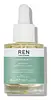
This barrier-repair oil is formulated around Oryza Sativa Bran Oil and Rosa Canina Fruit Oil to strengthen the skin barrier and calm redness.
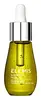
This hydrating oil is formulated around Rosa Canina Fruit Oil and Squalane to hydrate skin and strengthen the skin barrier.

What's inside
What's inside
 Key Ingredients
Benefits
Concerns
Ingredients Side-by-side
Prunus Amygdalus Dulcis Oil
Skin Conditioning





Caprylic/Capric Triglyceride
Masking

Limnanthes Alba Seed Oil
Skin Conditioning
Linum Usitatissimum Seed Oil
Perfuming

Macadamia Ternifolia Seed Oil
Emollient
Oryza Sativa Bran Oil
Emollient

Papaver Orientale Seed Oil
Skin Conditioning
Rosa Canina Fruit Oil
Emollient
Squalane
Emollient
Raphanus Sativus Seed Extract
Skin ConditioningCucumis Sativus Oil
Emollient
Brassica Oleracea Italica Seed Oil
Emollient
Parfum
Masking

Limonene
Perfuming
Citrus Aurantium Dulcis Peel Oil
Masking
Amyris Balsamifera Bark Oil
Masking
Cymbopogon Martini Oil
Masking
Geraniol
Perfuming
Linalool
Perfuming
Rosmarinus Officinalis Leaf Oil
Masking
Daucus Carota Sativa Seed Oil
Emollient
Tocopherol
Antioxidant



Helianthus Annuus Seed Oil
Emollient
Benzyl Benzoate
Antimicrobial
Farnesol
Perfuming
Citral
Perfuming
Benzyl Salicylate
Perfuming
Rosmarinus Officinalis Leaf Extract
AntimicrobialPrunus Amygdalus Dulcis Oil, Caprylic/Capric Triglyceride, Limnanthes Alba Seed Oil, Linum Usitatissimum Seed Oil, Macadamia Ternifolia Seed Oil, Oryza Sativa Bran Oil, Papaver Orientale Seed Oil, Rosa Canina Fruit Oil, Squalane, Raphanus Sativus Seed Extract, Cucumis Sativus Oil, Brassica Oleracea Italica Seed Oil, Parfum, Limonene, Citrus Aurantium Dulcis Peel Oil, Amyris Balsamifera Bark Oil, Cymbopogon Martini Oil, Geraniol, Linalool, Rosmarinus Officinalis Leaf Oil, Daucus Carota Sativa Seed Oil, Tocopherol, Helianthus Annuus Seed Oil, Benzyl Benzoate, Farnesol, Citral, Benzyl Salicylate, Rosmarinus Officinalis Leaf Extract
Reviews
Ingredients Explained
These ingredients are found in both products.
Ingredients higher up in an ingredient list are typically present in a larger amount.
Caprylic/Capric Triglyceride (aka MCT Oil) is a lightweight emollient, solvent, and texture enhancer. It is considered a skin-softener by helping to prevent moisture loss.
Though it behaves like an oil, it is not technically one due to its chemical composition. One perk of this ingredient is that it is very stable, resistant to oxidation, and unlikely to go rancid.
In practice, that translates to a long shelf life and a consistently elegant skin feel.
While there is an assumption Caprylic Triglyceride can clog pores due to it being derived from coconut oil, there is no research supporting this. Just patch test if you have concerns.
Fractionated coconut oil and MCT Oil are both listed as Caprylic/Capric Triglyceride according to INCI. This is because INCI names are based on the ingredient’s final chemical composition and not its marketing name or source.
This ingredient is treated as the gold standard fungal acne safe oil. Even though it is coconut derived, the problematic lauric acid is stripped out.
This leaves just caprylic (C8) and capric (C10) acid. These chain lengths actually trend antifungal; a 2020 study found caprylic acid was enough to disrupt Malassezia furfur cell membrane, with a caprylic acid derivative damaging membrane structures at concentrations as low as 0.2%.
Learn more about Caprylic/Capric TriglycerideLimnanthes Alba Seed Oil is from the seeds of the meadowfoam plant. It is a skin conditioning agent and emollient that sits on top of skin to soften and hydrate it.
Over 98% of the oil is made up of long-chain fatty acids, mostly aachidic acid (61%), docosenoic acid (~16%), and docosadienoic acid (~18%).
This combination is not really found in any other plant oil and is the reason this is one of the most stable botanical oils available.
Some studies show it to be more stable than jojoba oil, helps a product resist going rancid, and can help extend the shelf life of a formula.
It also naturally contains vitamin E and phytosterols that give it a mild antioxidant benefit.
This ingredient is typically used from around 1% to fairly high levels since it's gentle; it's well-tolerated and low on the irritation scale.
Learn more about Limnanthes Alba Seed OilThis oil comes from the outer layer (bran) of rice grains. It is packed with skin-friendly fatty acids to soften and condition the skin while supporting your moisture barrier.
What makes it stand out from other plant oils is its naturally high concentration of gamma-oryzanol, a potent antioxidant. This antioxidant has shown some UV-absorptive properties in research.
Other antioxidants found in this oil include tocopherols, tocotrienols, and ferulic acid.
According to manufacturers, this oil has a lightweight texture that absorbs nicely.
The CIR (Cosmetic Ingredient Review) has concluded this ingredient to be safe as used in cosmetics and it has not shown to be a skin sensitizer in testing (unless you have a known rice allergy).
Due to the fatty acids (primarily Oleic Acid ~40%, Linoleic Acid ~30%, and some Palmitic Acid), this ingredient may not be fungal acne safe.
Learn more about Oryza Sativa Bran OilRosa Canina Fruit Oil is a non-fragrant plant oil that has earned its skincare reputation through chemistry.
It's dominated by fatty acids like linoleic acid (~35-55%), alpha-linolenic acid (~17-27%), and oleic acid (~14-22%). This is the exact profile that supports skin barrier, locks in hydration, and calms inflammation.
A 2024 review found evidence for the Rosa canina species supports its use for scarring, hyperpigmentation, wrinkles, and atopic dermatitis; this was mostly credited to its vitamin C content and fatty acid composition as the primary active mechanisms.
You might see this ingredient marketed as a "natural retinol". Some rosehip seed oils contains traces of all-trans-retinoic acid but these trace amounts are far below biologically active levels.
The Cosmetic Ingredient Review Panel has deemed this ingredient safe and it's well-tolerated.
Fungal acne: The fatty acids of this oil fall into the C11-24 range that Malassezia yeast can metabolize, so this ingredient may not be fungal acne safe.
Learn more about Rosa Canina Fruit OilTocopherol is a fat-soluble antioxidant known as Vitamin E.
You'll find this ingredient in the vast majority of skincare (for good reason). It works to neutralize free radicals, or unstable molecules generated by UV exposure, pollution, and other environmental stressors, before they can cause oxidative damage to your skin cells.
Topically applied tocopherol has been shown to protect against UV damage by ramping up the skin's own natural defense enzymes.
It also acts as a skin conditioning agent; some studies show that regular topical use can improve the skin's water-binding capacity over 2-4 weeks.
This ingredient is especially loved for being a team player. When combined with Vitamin C, the photoprotective effect of both ingredients roughly doubles and the combo also helps reduce UV-induced DNA damage.
This ingredient has some brightening potential but it's more of a prevention ingredient than spot-fader. Cell studies show it can slow down melanin production but it's worth noting that it's not the most powerful brightener out there.
In formulations, it also serves as a stabilizer that helps protect other oxidation-prone ingredients from degrading.
Concentrations usually range from 0.1-1% in most leave-on products.
Learn more about Tocopherol

