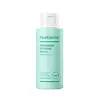
This salicylic acid powder cleanser is formulated around Salicylic Acid to clear breakouts and unclog pores.
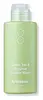
This smoothing exfoliator is formulated around Papain to refine skin texture.

What's inside
What's inside
 Key Ingredients
Benefits
Concerns
Ingredients Side-by-side
Zea Mays Starch
Absorbent
Sodium Cocoyl Isethionate
Cleansing
Sodium Lauroyl Glutamate
SurfactantDiglycerin
Humectant
Allantoin
Skin Conditioning



Maltodextrin
Absorbent
Papain
Skin Conditioning
Water
Skin ConditioningProtease
Exfoliating
1,2-Hexanediol
Skin Conditioning
Gluconolactone
Chelating




Salicylic Acid
Masking





Citric Acid
Buffering
Capryloyl Salicylic Acid
Exfoliating
Glyceryl Glucoside
Humectant
Glycerin
Humectant
Myristoyl/Palmitoyl Oxostearamide/Arachamide Mea
Skin ConditioningCeramide NP
Skin Conditioning
Madecassoside
Antioxidant
Zea Mays Starch, Sodium Cocoyl Isethionate, Sodium Lauroyl Glutamate, Diglycerin, Allantoin, Maltodextrin, Papain, Water, Protease, 1,2-Hexanediol, Gluconolactone, Salicylic Acid, Citric Acid, Capryloyl Salicylic Acid, Glyceryl Glucoside, Glycerin, Myristoyl/Palmitoyl Oxostearamide/Arachamide Mea, Ceramide NP, Madecassoside
Sodium Bicarbonate
Abrasive
Sodium Lauroyl Glutamate
SurfactantZea Mays Starch
Absorbent
Sodium Cocoyl Isethionate
Cleansing
Coconut Acid
Cleansing
Camellia Sinensis Leaf Powder
Water
Skin ConditioningSodium Isethionate
CleansingPapain
Skin Conditioning
Zinc Oxide
Cosmetic Colorant

Lysine Hcl
Skin Conditioning
Sodium Ascorbyl Phosphate
Antioxidant
Acetyl Methionine
Skin Conditioning
Theanine
EmollientProline
Skin Conditioning
Betaine
Humectant
Cellulose Gum
Emulsion StabilisingCitric Acid
Buffering
Carica Papaya Fruit Extract
Skin ConditioningSorbitol
Humectant
Glycerin
Humectant
Butylene Glycol
Humectant
1,2-Hexanediol
Skin Conditioning
Sodium Hyaluronate
Humectant
Sodium Bicarbonate, Sodium Lauroyl Glutamate, Zea Mays Starch, Sodium Cocoyl Isethionate, Coconut Acid, Camellia Sinensis Leaf Powder, Water, Sodium Isethionate, Papain, Zinc Oxide, Lysine Hcl, Sodium Ascorbyl Phosphate, Acetyl Methionine, Theanine, Proline, Betaine, Cellulose Gum, Citric Acid, Carica Papaya Fruit Extract, Sorbitol, Glycerin, Butylene Glycol, 1,2-Hexanediol, Sodium Hyaluronate
Reviews
Ingredients Explained
These ingredients are found in both products.
Ingredients higher up in an ingredient list are typically present in a larger amount.
1,2-Hexanediol is a synthetic liquid and another multi-functional powerhouse.
It is a:
- Humectant, drawing moisture into the skin
- Emollient, helping to soften skin
- Solvent, dispersing and stabilizing formulas
- Preservative booster, enhancing the antimicrobial activity of other preservatives
Citric Acid is an alpha hydroxy acid (AHA) naturally found in citrus fruits like oranges, lemons, and limes.
Like other AHAs, citric acid can exfoliate skin by breaking down the bonds that hold dead skin cells together. This helps reveal smoother and brighter skin underneath.
However, this exfoliating effect only happens at high concentrations (20%) which can be hard to find in cosmetic products.
Due to this, citric acid is usually included in small amounts as a pH adjuster. This helps keep products slightly more acidic and compatible with skin's natural pH.
In skincare formulas, citric acid can:
While it can provide some skin benefits, research shows lactic acid and glycolic acid are generally more effective and less irritating exfoliants.
Most citric acid used in skincare today is made by fermenting sugars (usually from molasses). This synthetic version is identical to the natural citrus form but easier to stabilize and use in formulations.
Rosacea skin has a lower threshold for acids generally, with 62.5% of rosacea subjects in one study reacting to lactic acid in a sting test. This is why we mark citric acid as a potential rosacea trigger.
However, this ingredient shows up as a pH adjuster or chelator at roughly 0.1-1% in many products. These low levels are unlikely to be an issue for rosacea skin and becomes a potential trigger at exfoliating concentrations (20%). Because everybody's skin is unique, we recommend a patch test if you are unsure.
Learn more about Citric AcidGlycerin (or glycerol) is a compound naturally found in your skin. It's a powerhouse humectant that pulls water into the stratum corneum.
Topically, glycerin does several things at once:
Your skin makes glycerin on its own (mostly from sebaceous oil breakdown) and shuttles it to your outermost layer of skin, or your epidermis, via aquaporin-3.
Aquaporin-3 is a transporter that is essential for normal skin hydration, elasticity, and repair. Interestingly, mice lacking in AQP3 have dry and less elastic skin that can be fully corrected with glycerin.
This ingredient is non-irritating, plays well with almost every ingredient, and works across all skin types. Typical use is anywhere between 3-10% but can go up to 79% in some leave-on products.
Just know very high concentrations (>40%) can feel tacky in low humidity.
Glycerin is the name for this ingredient in American English. British English uses Glycerol/Glycerine.
Learn more about GlycerinPapain is a proteolytic enzyme extracted from unripe papaya fruit. It is a gentle exfoliator that helps remove the dead skin cells from your outermost layer of skin.
Basically, papain works by dissolving the "glue" holding dead skin cells to your skin's surface. This also promotes cell turnover and smooths texture.
Unlike other exfoliants, papain can work without causing significant irritation.
Beyond exfoliation, its proteolytic action also helps soothe irritated skin and supports the healing of minor wounds.
A 2024 in vivo/in vitro study confirmed its potential to suppress skin inflammation and improve transepidermal water loss (TEWL) in atopic dermatitis models.
Just one thing worth noting: there are reports of allergic responses in individuals with a papaya or latex sensitivity. Be sure to patch test if you're in this camp.
Learn more about PapainSodium cocoyl isethionate is a natural ingredient from coconut oil. It is an ultra gentle cleanser that gives a nice foam without drying the skin or impacting the skin barrier.
The amount of foam created depends on the amount of sodium cocoyl isethionate used in the product.
This ingredient also helps improve the spreadability of a product.
This ingredient hasn’t been shown in studies to feed fungal acne yeast.
Learn more about Sodium Cocoyl IsethionateSodium Lauroyl Glutamate is an amino-acid based mild surfactant that is used in formulas as a primary or secondary cleansing agent. This means it helps lift away oil, dirt, and makeup.
You'll see this ingredient in facial cleansers, shampoos, and even toothpaste because it foams reasonably well while being much gentler than harsher surfactants like SLS.
A study comparing surfactant mixtures found that Sodium Lauroyl Glutamate caused visibly less disruption to skin lipid structure and less irritation than SLS when tested on human subjects; this correlated with the data from in vivo results as well.
The Tenside, Surfactants, Detergents cosmetics industry journal has also concluded that amino acid based surfactants are generally milder than their corresponding alkyl sulfate counterparts. They also stated glutamates in particular are considered one of the gentler options in the category.
The Cosmetic Ingredient Review (CIR) Expert Panel has reviewed dermal irritation and sensitization data for this ingredient at the highest reported use concentration and concluded it to be safe in present practices.
Typical use concentrations tend to run low (generally less than 10%) though the CIR's review noted the highest reported use concentration was 40% as a raw material blend (and not a diluted finished cosmetic product).
Learn more about Sodium Lauroyl GlutamateWater. It's the most common cosmetic ingredient of all. You'll usually see it at the top of ingredient lists, meaning that it makes up the largest part of the product.
So why is it so popular? Water most often acts as a solvent - this means that it helps dissolve other ingredients into the formulation.
You'll also recognize water as that liquid we all need to stay alive. If you see this, drink a glass of water. Remember to stay hydrated!
Learn more about WaterZea Mays Starch is starch made from corn. You might know this as cornstarch . It is used to thicken a product. It can replace talc as an absorbent.
The pH of cornstarch is 5.92.
Cornstarch is a common food ingredient used to thicken soups or to make corn syrup.
Learn more about Zea Mays Starch

