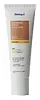
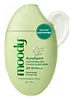
Re’equil Sheer Zinc Tinted Sunscreen SPF 50 Versus Moody Acnexpert Mattifying Dry Touch Sunscreen SPF 50
This mineral sunscreen covers the full UV range and blocks ~98% of UVB at SPF 50.
This hybrid sunscreen covers the full UV range and blocks ~98% of UVB at SPF 50.

What's inside
What's inside
 Key Ingredients
Benefits
Concerns
Ingredients Side-by-side
Cyclopentasiloxane
Emollient
Zinc Oxide
Cosmetic Colorant


Caprylyl Methicone
Skin Conditioning
Dimethicone/Vinyl Dimethicone Crosspolymer
Skin Conditioning
Polyhydroxystearic Acid
Emulsifying

PEG-12 Dimethicone/PPG-20 Crosspolymer
Polyglyceryl-2 Oleate
Emulsifying
Polyglyceryl-2 Stearate
Emulsifying
Physalis Angulata Extract
Skin ProtectingSilica
Abrasive

Caprylic/Capric Triglyceride
Masking


Coco-Caprylate/Caprate
Emollient
Triethoxycaprylylsilane
Dimethylmethoxy Chromanol
Antioxidant
Isononyl Isononanoate
EmollientHydrogenated Styrene/Butadiene Copolymer
Sorbitan Oleate
Emulsifying

Aluminum Hydroxide
EmollientIsopropyl Titanium Triisostearate
Emollient
Bis-PEG-15 Dimethicone/Ipdi Copolymer
PEG-2 Soyamine
EmulsifyingCI 77492
Cosmetic ColorantCI 15850
Cosmetic ColorantCI 77499
Cosmetic ColorantCyclopentasiloxane, Zinc Oxide, Caprylyl Methicone, Dimethicone/Vinyl Dimethicone Crosspolymer, Polyhydroxystearic Acid, PEG-12 Dimethicone/PPG-20 Crosspolymer, Polyglyceryl-2 Oleate, Polyglyceryl-2 Stearate, Physalis Angulata Extract, Silica, Caprylic/Capric Triglyceride, Coco-Caprylate/Caprate, Triethoxycaprylylsilane, Dimethylmethoxy Chromanol, Isononyl Isononanoate, Hydrogenated Styrene/Butadiene Copolymer, Sorbitan Oleate, Aluminum Hydroxide, Isopropyl Titanium Triisostearate, Bis-PEG-15 Dimethicone/Ipdi Copolymer, PEG-2 Soyamine, CI 77492, CI 15850, CI 77499
Cyclopentasiloxane
Emollient
Dimethicone Crosspolymer
Emulsion Stabilising
Cyclomethicone
Emollient
Dimethicone
Emollient
Water
Skin ConditioningEthylhexyl Methoxycinnamate
UV Absorber
Butyl Methoxydibenzoylmethane
UV Absorber
Benzophenone-3
UV Absorber
Phospholipids
Skin Conditioning
Butylene Glycol
Humectant
Isodecyl Neopentanoate
EmollientCamellia Sinensis Leaf Extract
Antimicrobial



Niacinamide
Smoothing



Silica
Abrasive
Glycerin
Humectant
Tocopheryl Acetate
Antioxidant
Titanium Dioxide
Cosmetic Colorant
Xanthan Gum
EmulsifyingMelaleuca Alternifolia Leaf Oil
Antioxidant


Diethylhexyl Syringylidenemalonate
Skin Protecting
Caprylic/Capric Triglyceride
Masking
Phenoxyethanol
Preservative
Ethylhexylglycerin
Skin ConditioningParfum
Masking
Cyclopentasiloxane, Dimethicone Crosspolymer, Cyclomethicone, Dimethicone, Water, Ethylhexyl Methoxycinnamate, Butyl Methoxydibenzoylmethane, Benzophenone-3, Phospholipids, Butylene Glycol, Isodecyl Neopentanoate, Camellia Sinensis Leaf Extract, Niacinamide, Silica, Glycerin, Tocopheryl Acetate, Titanium Dioxide, Xanthan Gum, Melaleuca Alternifolia Leaf Oil, Diethylhexyl Syringylidenemalonate, Caprylic/Capric Triglyceride, Phenoxyethanol, Ethylhexylglycerin, Parfum
Ingredients Explained
These ingredients are found in both products.
Ingredients higher up in an ingredient list are typically present in a larger amount.
Caprylic/Capric Triglyceride (aka MCT Oil) is a lightweight emollient, solvent, and texture enhancer. It is considered a skin-softener by helping to prevent moisture loss.
Though it behaves like an oil, it is not technically one due to its chemical composition. One perk of this ingredient is that it is very stable, resistant to oxidation, and unlikely to go rancid.
In practice, that translates to a long shelf life and a consistently elegant skin feel.
While there is an assumption Caprylic Triglyceride can clog pores due to it being derived from coconut oil, there is no research supporting this. Just patch test if you have concerns.
Fractionated coconut oil and MCT Oil are both listed as Caprylic/Capric Triglyceride according to INCI. This is because INCI names are based on the ingredient’s final chemical composition and not its marketing name or source.
This ingredient is treated as the gold standard fungal acne safe oil. Even though it is coconut derived, the problematic lauric acid is stripped out.
This leaves just caprylic (C8) and capric (C10) acid. These chain lengths actually trend antifungal; a 2020 study found caprylic acid was enough to disrupt Malassezia furfur cell membrane, with a caprylic acid derivative damaging membrane structures at concentrations as low as 0.2%.
Learn more about Caprylic/Capric TriglycerideCyclopentasiloxane (D5) is a lightweight silicone that mostly acts as an emollient and solvent in cosmetics. Its the reason your products feel silky, fast-spreading, and non-greasy.
Since D5 is volatile, it does its thing and then evaporates off the skin quickly.
The safety profile of this ingredient is reassuring; the US CIR Expert Panel concluded D5 is safe as used in cosmetics and Health Canada concluded that D5 is not harmful to human health or the environment as currently used in cosmetics
There's a study that people mention about D5 in a rat study showing tumors. This study is related to long-term inhalation of high D5 levels.
Regulatory bodies have judged this study to be not applicable in topical skincare since skin absorption of D5 is very low and we're not really inhaling huge amounts of D5.
The only restriction for this ingredient is environmental. The European Chemicals Agency (ECHA) restricted D5 in wash-off cosmetics at or above 0.1% due to their persistence in water.
Learn more about CyclopentasiloxaneSilica, also known as silicon dioxide, is a naturally occurring mineral. It is used as a fine, spherical, and porous powder in cosmetics.
Though it has exfoliant properties, the function of silica varies depending on the product.
The unique structure of silica enhances the spreadability and adds smoothness, making it a great texture enhancer.
It is also used as an active carrier, emulsifier, and mattifier due to its ability to absorb excess oil.
In some products, tiny microneedles called spicules are made from silica or hydrolyzed sponge. When you rub them in, they lightly polish away dead skin layers and enhance the penetration of active ingredients.
Learn more about Silica

