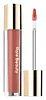
This barrier-repair lip moisturizer is formulated around Caprylic/Capric Triglyceride and Helianthus Annuus Seed Oil to strengthen the lip barrier and hydrate lips.
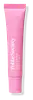
This barrier-repair lip moisturizer is formulated around Helianthus Annuus Seed Oil and Caprylic/Capric Triglyceride to strengthen the lip barrier and hydrate lips.

What's inside
What's inside
 Key Ingredients
Benefits
Concerns
Ingredients Side-by-side
Hydrogenated Polyisobutene
EmollientEthylene/Propylene/Styrene Copolymer
Butylene/Ethylene/Styrene Copolymer
Caprylic/Capric Triglyceride
Masking


Phenoxyethanol
Preservative
Tocopheryl Acetate
Antioxidant


Helianthus Annuus Seed Oil
Emollient


Pentaerythrityl Tetra-Di-T-Butyl Hydroxyhydrocinnamate
Antioxidant
Gardenia Florida Fruit Extract
Skin ConditioningNelumbo Nucifera Flower Extract
Skin ConditioningNymphaea Odorata Root Extract
RefreshingBenzyl Benzoate
Antimicrobial



Benzyl Salicylate
Perfuming
Parfum
Masking
CI 77891
Cosmetic ColorantIron Oxides
CI 73360
Cosmetic ColorantCI 15850
Cosmetic ColorantCI 42090
Cosmetic ColorantCI 19140
Cosmetic ColorantHydrogenated Polyisobutene, Ethylene/Propylene/Styrene Copolymer, Butylene/Ethylene/Styrene Copolymer, Caprylic/Capric Triglyceride, Phenoxyethanol, Tocopheryl Acetate, Helianthus Annuus Seed Oil, Pentaerythrityl Tetra-Di-T-Butyl Hydroxyhydrocinnamate, Gardenia Florida Fruit Extract, Nelumbo Nucifera Flower Extract, Nymphaea Odorata Root Extract, Benzyl Benzoate, Benzyl Salicylate, Parfum, CI 77891, Iron Oxides, CI 73360, CI 15850, CI 42090, CI 19140
Hydrogenated Polyisobutene
EmollientHelianthus Annuus Seed Oil
Emollient
Polybutene
Ethylene/Propylene/Styrene Copolymer
Corylus Avellana Seed Oil
Emollient
Caprylic/Capric Triglyceride
Masking
Butylene/Ethylene/Styrene Copolymer
Bis-Diglyceryl Polyacyladipate-2
Emollient
Pentaerythrityl Tetraisostearate
Emollient
Phenoxyethanol
Preservative
Diethylhexyl Syringylidenemalonate
Skin Protecting
Aroma
Simmondsia Chinensis Seed Oil
Emollient
Sodium Saccharin
MaskingLimonene
Perfuming
Ethylhexylglycerin
Skin ConditioningPentaerythrityl Tetra-Di-T-Butyl Hydroxyhydrocinnamate
Antioxidant
Tocopheryl Acetate
Antioxidant
Glycine Soja Oil
Emollient



Linalool
Perfuming
Citrus Aurantifolia Oil
Cleansing
Citral
Perfuming
Sambucus Nigra Flower Extract
RefreshingCitrus Aurantium Amara Flower Extract
RefreshingJasminum Officinale Flower Extract
Masking
Prunus Serrulata Flower Extract
Skin ConditioningLavandula Angustifolia Flower Extract
Cleansing
Paeonia Officinalis Flower Extract
TonicTocopherol
Antioxidant

Rosa Damascena Flower Oil
Masking
Titanium Dioxide
Cosmetic Colorant
CI 73360
Cosmetic ColorantCI 15850
Cosmetic ColorantIron Oxides
Hydrogenated Polyisobutene, Helianthus Annuus Seed Oil, Polybutene, Ethylene/Propylene/Styrene Copolymer, Corylus Avellana Seed Oil, Caprylic/Capric Triglyceride, Butylene/Ethylene/Styrene Copolymer, Bis-Diglyceryl Polyacyladipate-2, Pentaerythrityl Tetraisostearate, Phenoxyethanol, Diethylhexyl Syringylidenemalonate, Aroma, Simmondsia Chinensis Seed Oil, Sodium Saccharin, Limonene, Ethylhexylglycerin, Pentaerythrityl Tetra-Di-T-Butyl Hydroxyhydrocinnamate, Tocopheryl Acetate, Glycine Soja Oil, Linalool, Citrus Aurantifolia Oil, Citral, Sambucus Nigra Flower Extract, Citrus Aurantium Amara Flower Extract, Jasminum Officinale Flower Extract, Prunus Serrulata Flower Extract, Lavandula Angustifolia Flower Extract, Paeonia Officinalis Flower Extract, Tocopherol, Rosa Damascena Flower Oil, Titanium Dioxide, CI 73360, CI 15850, Iron Oxides
Reviews
Ingredients Explained
These ingredients are found in both products.
Ingredients higher up in an ingredient list are typically present in a larger amount.
This ingredient is a high-molecular weight synthetic polymer. It is used to modify the viscosity of a formula, improve slip, and create a more "cushiony" texture.
Due to its large molecular size, this ingredient is not absorbed into the skin.
Caprylic/Capric Triglyceride (aka MCT Oil) is a lightweight emollient, solvent, and texture enhancer. It is considered a skin-softener by helping to prevent moisture loss.
Though it behaves like an oil, it is not technically one due to its chemical composition. One perk of this ingredient is that it is very stable, resistant to oxidation, and unlikely to go rancid.
In practice, that translates to a long shelf life and a consistently elegant skin feel.
While there is an assumption Caprylic Triglyceride can clog pores due to it being derived from coconut oil, there is no research supporting this. Just patch test if you have concerns.
Fractionated coconut oil and MCT Oil are both listed as Caprylic/Capric Triglyceride according to INCI. This is because INCI names are based on the ingredient’s final chemical composition and not its marketing name or source.
This ingredient is treated as the gold standard fungal acne safe oil. Even though it is coconut derived, the problematic lauric acid is stripped out.
This leaves just caprylic (C8) and capric (C10) acid. These chain lengths actually trend antifungal; a 2020 study found caprylic acid was enough to disrupt Malassezia furfur cell membrane, with a caprylic acid derivative damaging membrane structures at concentrations as low as 0.2%.
Learn more about Caprylic/Capric TriglycerideCi 15850 is the pigment color red. It is an azo dye and created synthetically.
Azo dyes need to be thoroughly purified before use. This allows them to be more stable and longer-lasting.
This ingredient is common in foundations, lipsticks, and blushes. This color is described as brown/orangey red.
It has many secondary names such as Red 6 and Red 7. According to a manufacturer, Red 6 usually contains aluminum.
Learn more about CI 15850Ci 73360 is a synthetic red-pink dye.
It is soluble in water and remains chemically stable across a range of pH levels typically used in cosmetics. This helps manufacturers maintain uniform color throughout a product’s shelf life.
Because this ingredient is a regulated cosmetic colorant, its purity, manufacturing standards, and allowed uses are defined by cosmetic regulations in major markets.
Learn more about CI 73360This is a synthetic polymer used to thicken formulas, improve texture, and enhance spreadability.
Due to its large molecule size, this ingredient does not penetrate the skin and is considered well-tolerated.
Helianthus Annuus Seed Oil is a plant oil derived from the seeds of a sunflower.
It is rich in fatty acids, primarily linoleic acid and oleic acid. This gives it emollient and skin conditioning properties.
The reason this ingredient is so effective is because it forms a thin film on the skin that reduces transepidermal water loss (TEWL) while supplying linoleic acid to the stratum corneum to improve barrier strength.
The high linoleic acid content is particularly noteworthy for acne-prone skin.
Research suggests that acne-prone skin tends to be deficient in linoleic acid in sebum. Topical application may help replenish this to support a healthier follicular environment and less comedone-promoting sebum.
One randomized study found sunflower seed oil preserved skin barrier integrity in adult volunteers with and without atopic dermatitis (outperforming olive oil).
This ingredient is well-studied, gentle, and an effective emollient suitable for most skin types.
On fungal acne: This ingredient may not be Fungal acne (Malassezia folliculitis) safe. This is because it contains fatty acids with carbon chain lengths in the C11-C24 range.
Learn more about Helianthus Annuus Seed OilHydrogenated Polyisobutene is a synthetic polymer. Polymers are compounds with high molecular weight. Hydrogenated Polyisobutene is an emollient and texture enhancer.
In one study, Hydrogenated Polyisobutene showed better skin hydration levels than Caprylic/Capric Triglyceride. As an emollient, it helps keep your skin soft and hydrated by trapping moisture in.
Hydrogenated Polyisobutene is often used as a mineral oil replacement.
Learn more about Hydrogenated PolyisobutenePentaerythrityl Tetra-Di-T-Butyl Hydroxyhydrocinnamate (long name, huh?) is a synthetic antioxidant.
It is used to help stabilize other antioxidants or prevent the color from changing in a product.
As an antioxidant, it helps fight free-radical molecules. Free-radical molecules are capable of damaging our cells and other genetic material. Thus, antioxidants may reduce the signs of aging.
This ingredient is oil-soluble.
Learn more about Pentaerythrityl Tetra-Di-T-Butyl HydroxyhydrocinnamatePhenoxyethanol is one of the most widely used preservatives in skincare (and for good reason!).
It has a large spectrum of antimicrobial activity and especially effective bacteria, yeast, and mold while only having a weak effect on your skin's natural microbiome.
On a cellular level, it disrupts the cell membranes of microbes by poking holes that make the cell leak. This shuts down the chemical reactions the microbe needs to make energy so it can no longer survive.
Another perk of this ingredient is that it stays functional across a wide pH range (3-10).
You'll often see it paired with boosters like Ethylhexylglycerin; one study showed that a 1:9 ratio of Ethylhexylglycerin to Phenoxyethanol damages bacterial membranes as effectively as doubling the Phenoxyethanol concentration on its own.
Typical use concentrations range from 0.3-1% depending on the formula, and this ingredient is capped at 1% int the EU.
Safety-wise, the fear mongering does not hold up to the evidence. The EU's Scientific Committee on Consumer Safety and FDA consider it safe as a preservative at up to 1%, including for children of all ages.
Adverse systemic effects only showed up in animal studies at exposures roughly 200x higher than what people get from cosmetics. And despite its very widespread use, this ingredient is a rare sensitizer and allergic reactions are uncommon.
Learn more about PhenoxyethanolTocopheryl Acetate is a stable, shelf-friendly form of vitamin E.
Formulators love it because plain vitamin E oxidizes quickly once it hits air. This acetate version stays stable and resists going off, helping to extend a product's shelf life.
It's actually inactive on its own and works like a slow-release "storage" form; the enzymes in your skin called esterases gradually convert it into active vitamin E over time.
One in vivo study showed 5% of the acetate in the living layer of the epidermis converted to vitamin E after 5 days of application. This study also found the skin gained protection against UV damage even though the conversion was slow and small.
Once converted, vitamin E acts as a skin's main fat-soluble antioxidant that fights free radicals to protect skin from damage.
Topical vitamin E generally boosts the skin's photoprotection, and it reduced UV-damage in animal models.
This ingredient has some brightening potential but it's more of a prevention ingredient than spot-fader. Cell studies show it can slow down melanin production but it's worth noting that it's not the most powerful brightener out there.
Overall, it has a pretty solid safety profile and has been found to be non-irritating and non-comedogenic. Allergic reactions may happen but stay rare due to how widely the ingredient gets used.
The concentration will vary depending on the formula; industry data shows 0.1% in baby lotions, 3% in lipsticks, and 5% in foot powders. You can also find this ingredient at 100% in a pure vitamin E oil.
Most leave-on skincare keeps it at the lower end, often between 0.5-1%.
Learn more about Tocopheryl AcetateThis ingredient is a combination of red, black, and yellow iron oxide pigments. This combination of colors is usually found in foundation, because it results in a "skin" color.
The EU typically uses CI numbers for colorants when applicable, such as CI 77489. In the US, iron oxides are regulated as color additives and "iron oxides" is the most commonly used name in US cosmetic practice.
A 2021 paper looked at skincare formulations containing iron oxides and found that they reduced transmission of blue light when measured optically. In simple terms, the pigment particles helped block or scatter part of the visible light spectrum in lab testing and the authors suggest this could translate into better protection against blue-light-related skin effects.
There is also clinical and experimental research showing that tinted products containing iron oxides can reduce visible light-induced pigmentation:
Please note, whether a product reduces visible or blue light depends on things like:
In the EU's CosIng database, iron oxides are only listed as a colorant. CosIng groups ingredients by their main cosmetic role, such as colorant, preservative, or UV filter.
Though studies say iron oxides can "attenuate blue light", they're describing an optical property and not an officially recognized cosmetic function.
So CosIng isn’t contradicting the research. It’s just classifying iron oxides by what they officially are: pigments that add color.
Learn more about Iron Oxides

