Rare Beauty Perfect Strokes Universal Volumizing Mascara Versus KVD Vegan Beauty Go Big Or Go Home Mascara

What's inside
What's inside
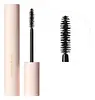 Key Ingredients
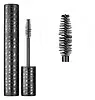
No key ingredients
Benefits
Concerns
Ingredients Side-by-side
Water
Skin ConditioningCopernicia Cerifera Cera
Emollient

Glyceryl Stearate
Emollient
Hydrogenated Olive Oil Stearyl Esters
Emulsion Stabilising
Synthetic Wax
Abrasive

Stearic Acid
Cleansing
Helianthus Annuus Seed Wax
Skin Conditioning
Palmitic Acid
Emollient

Butylene Glycol
Humectant
Polyacrylate-21
Olea Europaea Oil Unsaponifiables
Skin Conditioning
Aminomethyl Propanol
BufferingRicinus Communis Seed Oil
Masking
Synthetic Beeswax
Emulsion Stabilising
Phenoxyethanol
Preservative
Caprylyl Glycol
Emollient
Galactoarabinan

Rhus Succedanea Fruit Wax
Shorea Robusta Resin
TonicHydroxyethylcellulose
Emulsion StabilisingSodium Dehydroacetate
Preservative
Xanthan Gum
EmulsifyingTrideceth-6 Phosphate
EmulsifyingHydroxyacetophenone
Antioxidant
Dipropylene Glycol
HumectantGlyceryl Caprylate
EmollientTocopherol
Antioxidant



CI 77499
Cosmetic ColorantCI 77007
Cosmetic ColorantWater, Copernicia Cerifera Cera, Glyceryl Stearate, Hydrogenated Olive Oil Stearyl Esters, Synthetic Wax, Stearic Acid, Helianthus Annuus Seed Wax, Palmitic Acid, Butylene Glycol, Polyacrylate-21, Olea Europaea Oil Unsaponifiables, Aminomethyl Propanol, Ricinus Communis Seed Oil, Synthetic Beeswax, Phenoxyethanol, Caprylyl Glycol, Galactoarabinan, Rhus Succedanea Fruit Wax, Shorea Robusta Resin, Hydroxyethylcellulose, Sodium Dehydroacetate, Xanthan Gum, Trideceth-6 Phosphate, Hydroxyacetophenone, Dipropylene Glycol, Glyceryl Caprylate, Tocopherol, CI 77499, CI 77007
Water
Skin ConditioningHydrogenated Olive Oil Stearyl Esters
Emulsion Stabilising
Stearic Acid
Cleansing
Acrylates/Ethylhexyl Acrylate Copolymer
Helianthus Annuus Seed Wax
Skin Conditioning
Oryza Sativa Cera
Skin ConditioningOryza Sativa Bran Wax
Skin Conditioning
Polybutene
Ricinus Communis Seed Oil
Masking
Polyglyceryl-3 Rice Branate
EmulsifyingPropanediol
Solvent
Glyceryl Stearate
Emollient
C18-36 Acid Triglyceride
EmollientPolyvinyl Stearyl Ether
Skin ConditioningAminomethyl Propanediol
BufferingPhenoxyethanol
Preservative
Hdi/Trimethylol Hexyllactone Crosspolymer
Methyl Methacrylate Crosspolymer

Sodium Dehydroacetate
Preservative
Ethylhexylglycerin
Skin ConditioningLaureth-21
CleansingCI 77499
Cosmetic ColorantWater, Hydrogenated Olive Oil Stearyl Esters, Stearic Acid, Acrylates/Ethylhexyl Acrylate Copolymer, Helianthus Annuus Seed Wax, Oryza Sativa Cera, Oryza Sativa Bran Wax, Polybutene, Ricinus Communis Seed Oil, Polyglyceryl-3 Rice Branate, Propanediol, Glyceryl Stearate, C18-36 Acid Triglyceride, Polyvinyl Stearyl Ether, Aminomethyl Propanediol, Phenoxyethanol, Hdi/Trimethylol Hexyllactone Crosspolymer, Methyl Methacrylate Crosspolymer, Sodium Dehydroacetate, Ethylhexylglycerin, Laureth-21, CI 77499
Reviews
Ingredients Explained
These ingredients are found in both products.
Ingredients higher up in an ingredient list are typically present in a larger amount.
Ci 77499 is also hydrated iron III oxide. It is created from mixing red and black iron oxides. This helps give shades of darkness to a product.
Iron III oxides are classified as inorganic chemicals for coloring.
Glyceryl Stearate is made by reacting glycerin with stearic acid (typically sourced from plant oils like palm or coconut). It's an emulsifier, emollient, and mild occlusive.
Emulsifiers help ingredients like oil and water stay mixed so your formula stays nicely blended and uniform in texture.
This ingredient is typically used in concentrations between 1-10%. Studies have found it to be non-sensitizing, non-phototoxic, and non-photoallergenic.
A close cousin of this ingredient is Glyceryl Stearate SE ("self-emulsifying"). This just has a small amount of sodium or potassium stearate added so it can emulsify without a co-emulsifier.
Since this ingredient is an ester of a C18 fatty acid, it may not be fungal acne safe. The Malassezia yeast can potentially metabolize within the C11-C24 range.
Fun fact: The human body also creates Glyceryl Stearate naturally.
Learn more about Glyceryl StearateHelianthus Annuus Seed Wax is created from the common sunflower.
Sunflower seed wax is made up of long chain non-glyceride esters, a small amount of fatty alcohols, and fatty acids.
This ingredient is often used to enhance the texture of products. The fatty acid properties also help hydrate the skin.
Learn more about Helianthus Annuus Seed WaxHydrogenated Olive Oil Stearyl Esters is an oil.
Phenoxyethanol is one of the most widely used preservatives in skincare (and for good reason!).
It has a large spectrum of antimicrobial activity and especially effective bacteria, yeast, and mold while only having a weak effect on your skin's natural microbiome.
On a cellular level, it disrupts the cell membranes of microbes by poking holes that make the cell leak. This shuts down the chemical reactions the microbe needs to make energy so it can no longer survive.
Another perk of this ingredient is that it stays functional across a wide pH range (3-10).
You'll often see it paired with boosters like Ethylhexylglycerin; one study showed that a 1:9 ratio of Ethylhexylglycerin to Phenoxyethanol damages bacterial membranes as effectively as doubling the Phenoxyethanol concentration on its own.
Typical use concentrations range from 0.3-1% depending on the formula, and this ingredient is capped at 1% int the EU.
Safety-wise, the fear mongering does not hold up to the evidence. The EU's Scientific Committee on Consumer Safety and FDA consider it safe as a preservative at up to 1%, including for children of all ages.
Adverse systemic effects only showed up in animal studies at exposures roughly 200x higher than what people get from cosmetics. And despite its very widespread use, this ingredient is a rare sensitizer and allergic reactions are uncommon.
Learn more about PhenoxyethanolThis ingredient is also known as castor oil. It is a skin conditioning ingredient.
The star component of castor oil is ricinoleic acid, an unusual fatty acid that makes up ~80-92% of its composition.
In skincare, it is an emollient that dries down to a solid film with water-binding properties. This helps keep skin hydrated and helps reduce transepidermal water loss (TEWL).
A 2026 dermatology review pulls together its broader uses:
Human clinical testing found this ingredient to be non-irritating and non-sensitizing.
Because castor oil contains fatty acids in the C11-24 range, this ingredient may not be fungal acne safe.
At this time, the literature does not support castor oil in regrowing hair. A 2022 systematic review found no strong evidence that it supports hair growth and only weak evidence that it improves hair shine.
Castor oil itself carries "perfuming" and "masking" function tags according to the official CosIng database. This is because of its mild odor and odor-dampening properties.
Learn more about Ricinus Communis Seed OilSodium Dehydroacetate is a synthetic preservative and sodium salt form of dehydroacetic acid. It stops bacteria, mold, and yeast from growing in your products at low concentrations.
Clinical testing found it to be non-irritating, non-sensitizing, and non-photosensitizing. It's also not significantly absorbed through skin.
There are a very small number of reported cases of contact dermatitis in cases linked to wound-care creams used over compromised skin (rather than skincare).
Overall, this is a well-studied and low-risk preservative just doing its job.
Typical concentrations run up to 0.6%, which is also the maximum amount permitted under both EU CosIng regulations and US FDA guidelines.
Learn more about Sodium DehydroacetateStearic Acid is a fatty acid that is already found in your skin. It's one of the free fatty acids that works alongside ceramides and cholesterols to maintain your barrier.
In cosmetics, it is a multitasker:
Safety-wise, the CIR Expert Panel has concluded it to be safe in cosmetics when formulated to be non-irritating and non-sensitizing.
Free stearic acid is a C18 fatty acid that the Malassezia yeast can substrate, so this ingredient may not be fungal acne safe.
Learn more about Stearic AcidWater. It's the most common cosmetic ingredient of all. You'll usually see it at the top of ingredient lists, meaning that it makes up the largest part of the product.
So why is it so popular? Water most often acts as a solvent - this means that it helps dissolve other ingredients into the formulation.
You'll also recognize water as that liquid we all need to stay alive. If you see this, drink a glass of water. Remember to stay hydrated!
Learn more about Water

