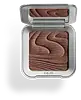
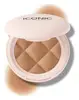
r.e.m. beauty Hypernova Satin Matte Bronzer Versus Iconic London Soft Touch Buildable Blurring Bronze


What's inside
What's inside
 Key Ingredients
Benefits
Concerns
Ingredients Side-by-side
Mica
Cosmetic ColorantPentaerythrityl Tetraisostearate
Emollient

Silica
Abrasive


Hydrogenated Vegetable Oil
Emollient



Octyldodecyl Stearoyl Stearate
Emollient
Aluminum Starch Octenylsuccinate
Absorbent
Hydrogenated Polyisobutene
EmollientCaprylyl Glycol
Emollient
Ethylhexylglycerin
Skin ConditioningCaprylic/Capric Triglyceride
Masking

Aluminum Hydroxide
EmollientTriethoxycaprylylsilane

Lauroyl Lysine
Skin Conditioning
Ethylene/Propylene/Styrene Copolymer
Pentaerythrityl Tetra-Di-T-Butyl Hydroxyhydrocinnamate
Antioxidant
Sorbitan Tristearate
EmulsifyingButylene/Ethylene/Styrene Copolymer
Tocopherol
Antioxidant




Iron Oxides
CI 15850
Cosmetic ColorantMica, Pentaerythrityl Tetraisostearate, Silica, Hydrogenated Vegetable Oil, Octyldodecyl Stearoyl Stearate, Aluminum Starch Octenylsuccinate, Hydrogenated Polyisobutene, Caprylyl Glycol, Ethylhexylglycerin, Caprylic/Capric Triglyceride, Aluminum Hydroxide, Triethoxycaprylylsilane, Lauroyl Lysine, Ethylene/Propylene/Styrene Copolymer, Pentaerythrityl Tetra-Di-T-Butyl Hydroxyhydrocinnamate, Sorbitan Tristearate, Butylene/Ethylene/Styrene Copolymer, Tocopherol, Iron Oxides, CI 15850
Dimethicone
Emollient
Mica
Cosmetic ColorantHydrogenated Polyisobutene
EmollientPropylene Glycol Dicaprylate/Dicaprate
EmollientSynthetic Fluorphlogopite
Polysilicone-11
Silica
Abrasive
Phenoxyethanol
Preservative
Lauroyl Lysine
Skin Conditioning
Triethoxycaprylylsilane
Squalane
Emollient
Alumina
Abrasive
Aluminum Hydroxide
Emollient1,2-Hexanediol
Skin Conditioning
Sodium Hyaluronate
Humectant
Glycerin
Humectant
Polyglyceryl-2 Isostearate
Emulsifying
Ethylhexylglycerin
Skin ConditioningOlea Europaea Fruit Oil
Masking
Ricinus Communis Seed Oil
Masking
Ceramide Ng
Skin Conditioning

Soluble Collagen
Humectant
CI 77491
Cosmetic ColorantCI 77492
Cosmetic ColorantCI 77499
Cosmetic ColorantCI 77891
Cosmetic ColorantDimethicone, Mica, Hydrogenated Polyisobutene, Propylene Glycol Dicaprylate/Dicaprate, Synthetic Fluorphlogopite, Polysilicone-11, Silica, Phenoxyethanol, Lauroyl Lysine, Triethoxycaprylylsilane, Squalane, Alumina, Aluminum Hydroxide, 1,2-Hexanediol, Sodium Hyaluronate, Glycerin, Polyglyceryl-2 Isostearate, Ethylhexylglycerin, Olea Europaea Fruit Oil, Ricinus Communis Seed Oil, Ceramide Ng, Soluble Collagen, CI 77491, CI 77492, CI 77499, CI 77891
Ingredients Explained
These ingredients are found in both products.
Ingredients higher up in an ingredient list are typically present in a larger amount.
Aluminum Hydroxide is a form of aluminum. It can be naturally found in nature as the mineral gibbsite. In cosmetics, Aluminum Hydroxide is used as a colorant, pH adjuster, and absorbent.
As a colorant, Aluminum Hydroxide may add opacity, or reduce the transparency. Aluminum hydroxide is contains both basic and acidic properties.
According to manufacturers, this ingredient is an emollient and humectant. This means it helps hydrate the skin.
In medicine, this ingredient is used to help relieve heartburn and help heal ulcers.
There is currently no credible scientific evidence linking aluminum hydroxide in cosmetics to increased cancer risk.
Major health organizations allow the use of aluminum hydroxide in personal care products and have not flagged it as a carcinogenic risk at typical usage levels.
Learn more about Aluminum HydroxideEthylhexylglycerin is created from glycerin. It is a multitasker ingredient that:
The CIR Expert Panel found minimal skin absorption or sensitization of any kind in a safety assessment. Though this ingredient is considered well-tolerated, a small number of cases of allergic dermatitis have been published since 2002. Just be sure to patch test if you are unsure.
Industry-reported use ranges from 8% in rinse-off products and 2% in leave-on formulations.
Learn more about EthylhexylglycerinHydrogenated Polyisobutene is a synthetic polymer. Polymers are compounds with high molecular weight. Hydrogenated Polyisobutene is an emollient and texture enhancer.
In one study, Hydrogenated Polyisobutene showed better skin hydration levels than Caprylic/Capric Triglyceride. As an emollient, it helps keep your skin soft and hydrated by trapping moisture in.
Hydrogenated Polyisobutene is often used as a mineral oil replacement.
Learn more about Hydrogenated PolyisobuteneThis ingredient comes from a fatty acid (lauric acid) and amino acid (lysine). It is used to add a silky feel to cosmetics.
According to a manufacturer, its fatty acid base leaves a silky feeling on the skin. It also has emollient properties because of this. Emollients help soften skin by preventing water from evaporating.
Lauroyl lysine is barely soluble in water.
Learn more about Lauroyl LysineMica is a naturally occurring mineral used to add shimmer and color in cosmetics. It can also help improve the texture of a product or give it an opaque, white/silver color.
Serecite is the name for very fine but ragged grains of mica.
This ingredient is often coated with metal oxides like titanium dioxide. Trace amounts of heavy metals may be found in mica, but these metals are not harmful in our personal products.
Mica has been used since prehistoric times throughout the world. Ancient Egyptian, Indian, Greek, Roman, Aztec, and Chinese civilizations have used mica.
Learn more about MicaSilica, also known as silicon dioxide, is a naturally occurring mineral. It is used as a fine, spherical, and porous powder in cosmetics.
Though it has exfoliant properties, the function of silica varies depending on the product.
The unique structure of silica enhances the spreadability and adds smoothness, making it a great texture enhancer.
It is also used as an active carrier, emulsifier, and mattifier due to its ability to absorb excess oil.
In some products, tiny microneedles called spicules are made from silica or hydrolyzed sponge. When you rub them in, they lightly polish away dead skin layers and enhance the penetration of active ingredients.
Learn more about SilicaTriethoxycaprylylsilane is a silicon-based surface modifier that makes sunscreens feel silky and makeup stay put.
Its main job is to coat mineral particles like titanium dioxide, zinc oxide, and color pigments in a thin, oily layer so they spread smoothly, don't clump, and stick to skin better.
This ingredient is typically used at low levels (up to 2.5% in eyeshadow and 1% in lipstick).
Learn more about Triethoxycaprylylsilane

