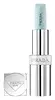
This barrier-repair lip moisturizer is formulated around Bis-Diglyceryl Polyacyladipate-2 and Bifida Ferment Lysate to strengthen the lip barrier and hydrate lips.
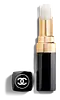
This barrier-repair lip moisturizer is formulated around Caprylic/Capric Triglyceride and Squalane to strengthen the lip barrier and hydrate lips.


What's inside
What's inside
 Key Ingredients
Benefits
Concerns
Ingredients Side-by-side
Bis-Diglyceryl Polyacyladipate-2
Emollient


Octyldodecanol
Emollient
Isononyl Isononanoate
EmollientPentaerythrityl Tetraisostearate
Emollient
Polyethylene
Abrasive

Hydrogenated Coco-Glycerides
Emollient
Silica Silylate
Emollient
Simmondsia Chinensis Butter
Skin Conditioning
Microcrystalline Wax
Emulsion StabilisingTrimethylsiloxyphenyl Dimethicone

C18-36 Acid Triglyceride
EmollientPentaerythrityl Tetra-Di-T-Butyl Hydroxyhydrocinnamate
Antioxidant
Bifida Ferment Lysate
Skin Conditioning


Limonene
Perfuming


Alpha-Isomethyl Ionone
Perfuming
CI 77492
Cosmetic ColorantCI 77891
Cosmetic ColorantCI 42090
Cosmetic ColorantGeraniol
Perfuming
Linalool
Perfuming
Citronellol
Perfuming
Sodium Benzoate
Masking
Acetic Acid
BufferingLactic Acid
Buffering






Aluminum Hydroxide
EmollientSilica
Abrasive
Parfum
Masking
Bis-Diglyceryl Polyacyladipate-2, Octyldodecanol, Isononyl Isononanoate, Pentaerythrityl Tetraisostearate, Polyethylene, Hydrogenated Coco-Glycerides, Silica Silylate, Simmondsia Chinensis Butter, Microcrystalline Wax, Trimethylsiloxyphenyl Dimethicone, C18-36 Acid Triglyceride, Pentaerythrityl Tetra-Di-T-Butyl Hydroxyhydrocinnamate, Bifida Ferment Lysate, Limonene, Alpha-Isomethyl Ionone, CI 77492, CI 77891, CI 42090, Geraniol, Linalool, Citronellol, Sodium Benzoate, Acetic Acid, Lactic Acid, Aluminum Hydroxide, Silica, Parfum
Bis-Behenyl/Isostearyl/Phytosteryl Dimer Dilinoleyl Dimer Dilinoleate
EmollientPhytosteryl/Octyldodecyl Lauroyl Glutamate
Skin ConditioningPentaerythrityl Tetraethylhexanoate
Emollient
Diisostearyl Malate
EmollientCaprylic/Capric Triglyceride
Masking
Squalane
Emollient
Isotridecyl Isononanoate
EmollientSynthetic Wax
Abrasive
Ethylene/Propylene Copolymer
Abrasive
Meadowfoam Delta-Lactone
Skin ConditioningSorbitan Isostearate
Emulsifying
Lauryl PCA
HumectantTocopheryl Acetate
Antioxidant
Parfum
Masking
Silica
Abrasive
Tocopherol
Antioxidant
Alumina
Abrasive
CI 77891
Cosmetic ColorantMica
Cosmetic ColorantBis-Behenyl/Isostearyl/Phytosteryl Dimer Dilinoleyl Dimer Dilinoleate, Phytosteryl/Octyldodecyl Lauroyl Glutamate, Pentaerythrityl Tetraethylhexanoate, Diisostearyl Malate, Caprylic/Capric Triglyceride, Squalane, Isotridecyl Isononanoate, Synthetic Wax, Ethylene/Propylene Copolymer, Meadowfoam Delta-Lactone, Sorbitan Isostearate, Lauryl PCA, Tocopheryl Acetate, Parfum, Silica, Tocopherol, Alumina, CI 77891, Mica
Ingredients Explained
These ingredients are found in both products.
Ingredients higher up in an ingredient list are typically present in a larger amount.
Ci 77891 is a white pigment from Titanium dioxide. It is naturally found in minerals such as rutile and ilmenite.
It's main function is to add a white color to cosmetics. It can also be mixed with other colors to create different shades.
Ci 77891 is commonly found in sunscreens due to its ability to block UV rays.
Learn more about CI 77891Parfum is a catch-all term for an ingredient or more that is used to give a scent to products.
Also called "fragrance", this ingredient can be a blend of hundreds of chemicals or plant oils. This means every product with "fragrance" or "parfum" in the ingredients list is a different mixture.
For instance, Habanolide is a proprietary trade name for a specific aroma chemical. When used as a fragrance ingredient in cosmetics, most aroma chemicals fall under the broad labeling category of “FRAGRANCE” or “PARFUM” according to EU and US regulations.
The term 'parfum' or 'fragrance' is not regulated in many countries. In many cases, it is up to the brand to define this term.
For instance, many brands choose to label themselves as "fragrance-free" because they are not using synthetic fragrances. However, their products may still contain ingredients such as essential oils that are considered a fragrance by INCI standards.
One example is Calendula flower extract. Calendula is an essential oil that still imparts a scent or 'fragrance'.
Depending on the blend, the ingredients in the mixture can cause allergies and sensitivities on the skin. Some ingredients that are known EU allergens include linalool and citronellol.
Parfum can also be used to mask or cover an unpleasant scent.
The bottom line is: not all fragrances/parfum/ingredients are created equally. If you are worried about fragrances, we recommend taking a closer look at an ingredient. And of course, we always recommend speaking with a professional.
Learn more about ParfumSilica, also known as silicon dioxide, is a naturally occurring mineral. It is used as a fine, spherical, and porous powder in cosmetics.
Though it has exfoliant properties, the function of silica varies depending on the product.
The unique structure of silica enhances the spreadability and adds smoothness, making it a great texture enhancer.
It is also used as an active carrier, emulsifier, and mattifier due to its ability to absorb excess oil.
In some products, tiny microneedles called spicules are made from silica or hydrolyzed sponge. When you rub them in, they lightly polish away dead skin layers and enhance the penetration of active ingredients.
Learn more about Silica

