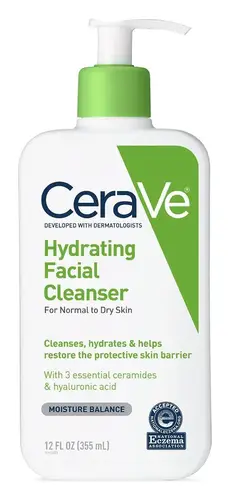
Philosophy Purity Made Simple Facial Cleansing Gel & Eye Makeup Remover Versus Five Below Amora Makeup Meltdown Milk Cleanser
This foaming makeup remover is made to dissolve makeup, sunscreen, and daily buildup.
This foaming makeup remover is made to dissolve makeup, sunscreen, and daily buildup.

What's inside
What's inside
 Key Ingredients

No key ingredients
Benefits
Concerns
Ingredients Side-by-side
Water
Skin ConditioningSodium Trideceth Sulfate
Cleansing
Disodium Lauroamphodiacetate
CleansingAcrylates Copolymer
Polysorbate 20
Emulsifying

Sodium C14-16 Olefin Sulfonate
Cleansing

Glycerin
Humectant


Cocamidopropyl Betaine
Cleansing
Isopropyl Alcohol
Solvent

Sodium Sulfate
Limnanthes Alba Seed Oil
Skin Conditioning
Aniba Rosaeodora Wood Oil
Astringent

Pelargonium Graveolens Flower Oil
Masking
Bulnesia Sarmientoi Wood Oil
Masking
Cymbopogon Martini Oil
Masking
Rosa Centifolia Flower Oil
Masking
Amyris Balsamifera Bark Oil
Masking
Santalum Album Oil
Masking
Salvia Sclarea Oil
Masking
Ormenis Multicaulis Oil
Masking
Acacia Dealbata Flower/Stem Extract
Skin ConditioningDaucus Carota Sativa Seed Oil
Emollient


Piper Nigrum Fruit Oil
Masking
Disteareth-75 Ipdi
Glycereth-7 Caprylate/Caprate
EmulsifyingPotassium Chloride
Hydrogen Peroxide
AntimicrobialMagnesium Nitrate
Magnesium Chloride
Sodium Benzotriazolyl Butylphenol Sulfonate
UV AbsorberButeth-3
SolventTributyl Citrate
SolventSodium Hydroxide
BufferingSodium Chloride
MaskingDisodium EDTA
ChelatingCitric Acid
Buffering

Linalool
Perfuming
Methylchloroisothiazolinone
Preservative
Methylisothiazolinone
Preservative
Water, Sodium Trideceth Sulfate, Disodium Lauroamphodiacetate, Acrylates Copolymer, Polysorbate 20, Sodium C14-16 Olefin Sulfonate, Glycerin, Cocamidopropyl Betaine, Isopropyl Alcohol, Sodium Sulfate, Limnanthes Alba Seed Oil, Aniba Rosaeodora Wood Oil, Pelargonium Graveolens Flower Oil, Bulnesia Sarmientoi Wood Oil, Cymbopogon Martini Oil, Rosa Centifolia Flower Oil, Amyris Balsamifera Bark Oil, Santalum Album Oil, Salvia Sclarea Oil, Ormenis Multicaulis Oil, Acacia Dealbata Flower/Stem Extract, Daucus Carota Sativa Seed Oil, Piper Nigrum Fruit Oil, Disteareth-75 Ipdi, Glycereth-7 Caprylate/Caprate, Potassium Chloride, Hydrogen Peroxide, Magnesium Nitrate, Magnesium Chloride, Sodium Benzotriazolyl Butylphenol Sulfonate, Buteth-3, Tributyl Citrate, Sodium Hydroxide, Sodium Chloride, Disodium EDTA, Citric Acid, Linalool, Methylchloroisothiazolinone, Methylisothiazolinone
Water
Skin ConditioningSodium Laureth Sulfate
Cleansing
Acrylates Copolymer
Cocamide Methyl Mea
Foam Boosting
Cocamidopropyl Betaine
Cleansing
Glycerin
Humectant
Sodium Chloride
MaskingBetaine
Humectant
Phenoxyethanol
Preservative
Trideceth-8
EmulsifyingSodium Hydroxide
BufferingPEG-150 Distearate
Emulsifying
Magnesium Nitrate
Magnesium Chloride
Methylisothiazolinone
Preservative
Methylchloroisothiazolinone
Preservative
Disodium EDTA
ChelatingPEG-50 Shea Butter
Emulsifying
Tocopheryl Acetate
Antioxidant

PEG-40 Hydrogenated Castor Oil
Emulsifying
Ceteth-30
CleansingWater, Sodium Laureth Sulfate, Acrylates Copolymer, Cocamide Methyl Mea, Cocamidopropyl Betaine, Glycerin, Sodium Chloride, Betaine, Phenoxyethanol, Trideceth-8, Sodium Hydroxide, PEG-150 Distearate, Magnesium Nitrate, Magnesium Chloride, Methylisothiazolinone, Methylchloroisothiazolinone, Disodium EDTA, PEG-50 Shea Butter, Tocopheryl Acetate, PEG-40 Hydrogenated Castor Oil, Ceteth-30
Reviews
Ingredients Explained
These ingredients are found in both products.
Ingredients higher up in an ingredient list are typically present in a larger amount.
Acrylates Copolymer is used as a film-forming agent and texture enhancer.
After applied, Acrylates Copolymer forms a thin film cover that helps skin feel more soft. It can help sunscreens become more water-resistant.
It is also used to make a product more thick.
Learn more about Acrylates CopolymerCocamidopropyl Betaine is a fatty acid created by mixing similar compounds in coconut oil and dimethylaminopropylamine, a compound with two amino groups.
This ingredient is a surfactant and cleanser. It helps gather the dirt, pollutants, and other impurities in your skin to be washed away. It also helps thicken a product and make the texture more creamy.
Being created from coconut oil means Cocamidopropyl Betaine is hydrating for the skin.
While Cocamidopropyl Betaine was believed to be an allergen, a study from 2012 disproved this. It found two compounds in unpure Cocamidopropyl Betaine to be the irritants: aminoamide and 3-dimethylaminopropylamine. High-grade and pure Cocamidopropyl Betaine did not induce allergic reactions during this study.
Learn more about Cocamidopropyl BetaineDisodium EDTA is a chelating agent. It grabs onto and deactivates metal ions that sneak into your products from water, packaging, or air.
This ingredient mainly works behind the scenes and helps with:
On top of that, this ingredient can counteract the effects of hard water by binding to the minerals in it.
One thing worth knowing is that Disodium EDTA has been shown to be a mild penetration enhancer. It can help other ingredients absorb into skin more effectively which can be a double-edged sword (great for actives, but can also make the active too strong if you have sensitive skin).
Clinical patch testing showed no significant skin irritation at typical use concentrations and minimal dermal absorption.
You'll most likely see this ingredient near the end of an ingredient list. It's typically found in concentrations less than 1%.
Learn more about Disodium EDTAGlycerin (or glycerol) is a compound naturally found in your skin. It's a powerhouse humectant that pulls water into the stratum corneum.
Topically, glycerin does several things at once:
Your skin makes glycerin on its own (mostly from sebaceous oil breakdown) and shuttles it to your outermost layer of skin, or your epidermis, via aquaporin-3.
Aquaporin-3 is a transporter that is essential for normal skin hydration, elasticity, and repair. Interestingly, mice lacking in AQP3 have dry and less elastic skin that can be fully corrected with glycerin.
This ingredient is non-irritating, plays well with almost every ingredient, and works across all skin types. Typical use is anywhere between 3-10% but can go up to 79% in some leave-on products.
Just know very high concentrations (>40%) can feel tacky in low humidity.
Glycerin is the name for this ingredient in American English. British English uses Glycerol/Glycerine.
Learn more about GlycerinMagnesium chloride is a mineral salt made from magnesium and chloride. It is mainly used to control product stability and texture in cosmetics.
This ingredient can also play a role in soothing the skin and supporting normal skin function.
Magnesium chloride is water-soluble, generally well tolerated, and does not act as a strong “active” ingredient on its own.
Learn more about Magnesium ChlorideWe don't have a description for Magnesium Nitrate yet.
Methylchloroisothiazolinone, or MCI, is a synthetic preservative used to protect against the growth of bacteria, yeasts, and fungi in water-based products.
MCI is commonly combined with methylisothiazolinone (MI) in a 3:1 ratio.
This ingredient is safe in cosmetics when formulated to be non-sensitizing and concentrations must not exceed 7.5 ppm in leave-on products / 15 ppm in rinse-off products.
Unfortunately, this ingredient has a well-documented sensitization story. Studies spanning several decades have shown this ingredient + MI to cause skin irritation and allergies.
The use of this ingredient varies around the world:
This just means this ingredient is most likely non-sensitizing in rinse-off products unless you've been diagnosed with a contact allergy to isothiazolinones.
Learn more about MethylchloroisothiazolinoneMI is a preservative and known skin irritant. In the past, MI was used for its ability to prevent bacteria, yeast, and fungi growth in low doses.
Nowadays, you'll most likely see MI combined with Methylchloroisothiazolinone (MCI).
Since then, numerous studies have shown this ingredient to cause contact dermatitis, or skin irritation.
The use of this ingredient varies around the world:
Learn more about MethylisothiazolinoneChances are, you eat sodium chloride every day. Sodium Chloride is also known as table salt. This ingredient has many purposes in skincare: thickener, emulsifier, and exfoliator.
You'll most likely find this ingredient in cleansers where it is used to create a gel-like texture. As an emulsifier, it also prevents ingredients from separating.
You might see people debate whether Sodium Chloride is comedogenic, but there actually haven't been any comedogenic tests done on it. Either way, the overall formulation of a product matters a lot more than any single ingredient.
You might see this ingredient used in scrubs as a primary exfoliating ingredient.
Learn more about Sodium ChlorideSodium Hydroxide is also known as lye or caustic soda. It is used to adjust the pH of products; many ingredients require a specific pH to be effective.
In small amounts, sodium hydroxide is considered safe to use. However, large amounts may cause chemical burns due to its high alkaline.
Your skin has a natural pH and acid mantle. This acid mantle helps prevent harmful bacteria from breaking through. The acid mantle also helps keep your skin hydrated.
"Alkaline" refers to a high pH level. A low pH level would be considered acidic.
Learn more about Sodium HydroxideWater. It's the most common cosmetic ingredient of all. You'll usually see it at the top of ingredient lists, meaning that it makes up the largest part of the product.
So why is it so popular? Water most often acts as a solvent - this means that it helps dissolve other ingredients into the formulation.
You'll also recognize water as that liquid we all need to stay alive. If you see this, drink a glass of water. Remember to stay hydrated!
Learn more about Water