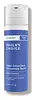
This anti-aging serum is formulated around Tetrahexyldecyl Ascorbate and Palmitoyl Tripeptide-5 to soften the look of wrinkles and brighten dull-looking skin.
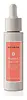
This brightening oil is formulated around Squalane and Tetrahexyldecyl Ascorbate to brighten dull-looking skin and soften the look of wrinkles.

What's inside
What's inside
 Key Ingredients
Benefits
Concerns
Ingredients Side-by-side
Cyclopentasiloxane
Emollient
Dimethicone
Emollient
Tetrahexyldecyl Ascorbate
Antioxidant





Palmitoyl Tripeptide-5
Skin Conditioning

Ceramide NP
Skin Conditioning



Tocotrienols
Skin Conditioning
Tocopherol
Antioxidant
Ubiquinone
Antioxidant
Thioctic Acid
Antioxidant
Tocopheryl Acetate
Antioxidant
Magnesium Ascorbyl Phosphate
Antioxidant
Ferulic Acid
Antimicrobial
Beta-Glucan
Skin Conditioning
Superoxide Dismutase
Antioxidant
Epigallocatechin Gallate
Antioxidant
Ergothioneine
Antioxidant
Glutathione
Xanthophylls
Skin ConditioningGlycine Soja Seed Extract
Skin Conditioning
Glycerin
Humectant
Arctostaphylos Uva Ursi Leaf Extract
Skin Conditioning
Lupinus Albus Seed Extract
Skin ConditioningCurcuma Longa Root
Skin ConditioningElaeis Guineensis Oil
Emollient




Phenoxyethanol
Preservative
Cyclopentasiloxane, Dimethicone, Tetrahexyldecyl Ascorbate, Palmitoyl Tripeptide-5, Ceramide NP, Tocotrienols, Tocopherol, Ubiquinone, Thioctic Acid, Tocopheryl Acetate, Magnesium Ascorbyl Phosphate, Ferulic Acid, Beta-Glucan, Superoxide Dismutase, Epigallocatechin Gallate, Ergothioneine, Glutathione, Xanthophylls, Glycine Soja Seed Extract, Glycerin, Arctostaphylos Uva Ursi Leaf Extract, Lupinus Albus Seed Extract, Curcuma Longa Root, Elaeis Guineensis Oil, Phenoxyethanol
Caprylic/Capric Triglyceride
Masking
Helianthus Annuus Seed Oil
Emollient
Heptyl Undecylenate
EmollientSqualane
Emollient
Tetrahexyldecyl Ascorbate
Antioxidant
Balanites Roxburghii Seed Oil
Skin Conditioning
Limnanthes Alba Seed Oil
Skin Conditioning
Persea Gratissima Oil
Skin Conditioning
Tocopheryl Acetate
Antioxidant
Oryza Sativa Bran Extract
Skin Conditioning
Helianthus Annuus Extract
Emollient
Rosmarinus Officinalis Leaf Extract
AntimicrobialTocopherol
Antioxidant
Caprylic/Capric Triglyceride, Helianthus Annuus Seed Oil, Heptyl Undecylenate, Squalane, Tetrahexyldecyl Ascorbate, Balanites Roxburghii Seed Oil, Limnanthes Alba Seed Oil, Persea Gratissima Oil, Tocopheryl Acetate, Oryza Sativa Bran Extract, Helianthus Annuus Extract, Rosmarinus Officinalis Leaf Extract, Tocopherol
Reviews
Ingredients Explained
These ingredients are found in both products.
Ingredients higher up in an ingredient list are typically present in a larger amount.
Tetrahexyldecyl Ascorbate (THD) is a stable and oil-soluble form of Vitamin C.
THD is special in that it has the ability to travel deeper into skin than traditional ascorbic acid while maintaining the same skin benefits (double win!).
Because it’s oil-soluble, THD dives deep into your skin’s fatty layers (think ceramides and cholesterol) to fight off the kind of free radicals that mess with your skin barrier. This makes it a great pair with water-based vitamin C (ascorbic acid) that mainly works on the surface.
Even at just 0.1%, THD is already showing great antioxidant activity. When used up to 2%, it helps keep your skin happy and calm, especially when it’s stressed from pollution or sun.
Want to fade dark spots or tackle hyperpigmentation? You’ll want 5% or more. Pairing it with brightening buddies like niacinamide or licorice root gives even better results. One study even used 30% THD with other brighteners and saw real results on stubborn discoloration, even in melasma-prone skin.
A note on THD: It’s has a slightly silky, oily texture and usually shows up colorless or pale yellow (though the exact shade can vary by supplier).
While you can sneak it into water-based formulas, it really shines when paired with silicones or oils, which help your skin soak it up better.
THD is pretty stable, but it’s still vulnerable to degradation like ascorbic acid. Too much light or heat (above 113°F / 45°C) can break it down over time. Go for dark and opaque packaging that keeps it safe and shady!
Read more about other types of Vitamin C:
Learn more about Tetrahexyldecyl AscorbateTocopherol is a fat-soluble antioxidant known as Vitamin E.
You'll find this ingredient in the vast majority of skincare (for good reason). It works to neutralize free radicals, or unstable molecules generated by UV exposure, pollution, and other environmental stressors, before they can cause oxidative damage to your skin cells.
Topically applied tocopherol has been shown to protect against UV damage by ramping up the skin's own natural defense enzymes.
It also acts as a skin conditioning agent; some studies show that regular topical use can improve the skin's water-binding capacity over 2-4 weeks.
This ingredient is especially loved for being a team player. When combined with Vitamin C, the photoprotective effect of both ingredients roughly doubles and the combo also helps reduce UV-induced DNA damage.
This ingredient has some brightening potential but it's more of a prevention ingredient than spot-fader. Cell studies show it can slow down melanin production but it's worth noting that it's not the most powerful brightener out there.
In formulations, it also serves as a stabilizer that helps protect other oxidation-prone ingredients from degrading.
Concentrations usually range from 0.1-1% in most leave-on products.
Learn more about TocopherolTocopheryl Acetate is a stable, shelf-friendly form of vitamin E.
Formulators love it because plain vitamin E oxidizes quickly once it hits air. This acetate version stays stable and resists going off, helping to extend a product's shelf life.
It's actually inactive on its own and works like a slow-release "storage" form; the enzymes in your skin called esterases gradually convert it into active vitamin E over time.
One in vivo study showed 5% of the acetate in the living layer of the epidermis converted to vitamin E after 5 days of application. This study also found the skin gained protection against UV damage even though the conversion was slow and small.
Once converted, vitamin E acts as a skin's main fat-soluble antioxidant that fights free radicals to protect skin from damage.
Topical vitamin E generally boosts the skin's photoprotection, and it reduced UV-damage in animal models.
This ingredient has some brightening potential but it's more of a prevention ingredient than spot-fader. Cell studies show it can slow down melanin production but it's worth noting that it's not the most powerful brightener out there.
Overall, it has a pretty solid safety profile and has been found to be non-irritating and non-comedogenic. Allergic reactions may happen but stay rare due to how widely the ingredient gets used.
The concentration will vary depending on the formula; industry data shows 0.1% in baby lotions, 3% in lipsticks, and 5% in foot powders. You can also find this ingredient at 100% in a pure vitamin E oil.
Most leave-on skincare keeps it at the lower end, often between 0.5-1%.
Learn more about Tocopheryl Acetate

