

What's inside
What's inside
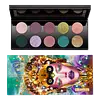 Key Ingredients
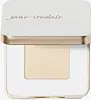
No key ingredients
Benefits
Concerns
Ingredients Side-by-side
Mica
Cosmetic ColorantOctyldodecyl Stearoyl Stearate
Emollient

Talc
Abrasive
Pentaerythrityl Tetraisostearate
Emollient
Zinc Stearate
Cosmetic ColorantCaprylyl Glycol
Emollient
Phenoxyethanol
Preservative
Magnesium Myristate


Hexylene Glycol
EmulsifyingMaltodextrin
Absorbent
CI 77891
Cosmetic ColorantCI 77491
Cosmetic ColorantCI 75470
Cosmetic ColorantPolymethyl Methacrylate

Silica
Abrasive
Dimethicone
Emollient

Triethoxycaprylylsilane
Diisostearyl Malate
EmollientHexyl Laurate
Emollient
CI 77007
Cosmetic ColorantCI 77492
Cosmetic ColorantCI 77499
Cosmetic ColorantCalcium Aluminum Borosilicate
Lauroyl Lysine
Skin Conditioning
C10-18 Triglycerides
Emollient
Methylpropanediol
SolventSodium Dehydroacetate
Preservative
Tin Oxide
Abrasive
Phenylpropanol
Masking

Calcium Sodium Borosilicate
Hydrogenated Polycyclopentadiene
Polyethylene
Abrasive
Copernicia Cerifera Cera
Emollient
Tocopherol
Antioxidant






Synthetic Fluorphlogopite
Hydrogenated Polyisobutene
EmollientCI 42090
Cosmetic ColorantPolybutene
Isostearyl Neopentanoate
Emollient
CI 77266
Cosmetic ColorantCI 19140
Cosmetic ColorantCI 77510
Cosmetic ColorantMica, Octyldodecyl Stearoyl Stearate, Talc, Pentaerythrityl Tetraisostearate, Zinc Stearate, Caprylyl Glycol, Phenoxyethanol, Magnesium Myristate, Hexylene Glycol, Maltodextrin, CI 77891, CI 77491, CI 75470, Polymethyl Methacrylate, Silica, Dimethicone, Triethoxycaprylylsilane, Diisostearyl Malate, Hexyl Laurate, CI 77007, CI 77492, CI 77499, Calcium Aluminum Borosilicate, Lauroyl Lysine, C10-18 Triglycerides, Methylpropanediol, Sodium Dehydroacetate, Tin Oxide, Phenylpropanol, Calcium Sodium Borosilicate, Hydrogenated Polycyclopentadiene, Polyethylene, Copernicia Cerifera Cera, Tocopherol, Synthetic Fluorphlogopite, Hydrogenated Polyisobutene, CI 42090, Polybutene, Isostearyl Neopentanoate, CI 77266, CI 19140, CI 77510
Synthetic Fluorphlogopite
Mica
Cosmetic ColorantOctyldodecyl Stearoyl Stearate
Emollient
Butyrospermum Parkii Butter
Skin Conditioning
Caprylic/Capric Triglyceride
Masking
Boron Nitride
Absorbent
Simmondsia Chinensis Seed Oil
Emollient
Punica Granatum Seed Oil
Emollient
Pinus Strobus Bark Extract
Skin ConditioningCaprylyl Glycol
Emollient
Zinc Stearate
Cosmetic ColorantCI 77891
Cosmetic ColorantCI 77491
Cosmetic ColorantCI 77492
Cosmetic ColorantCI 77499
Cosmetic ColorantIngredients Explained
These ingredients are found in both products.
Ingredients higher up in an ingredient list are typically present in a larger amount.
Caprylyl Glycol is a humectant, skin conditioner, emollient, and preservative booster derived from either caprylic acid or synthetically created.
Typical use levels vary from 0.3-1% as a preservative booster and go up to 2% to condition skin.
Because it is not a free-fatty acid, this ingredient is fungal acne safe (there's nothing for Malassezia to feed on).
Learn more about Caprylyl GlycolCi 77491 is also hydrated iron III oxide. It's sole purpose is to give a red/pink hue to products.
Iron III oxides are classified as inorganic chemicals for coloring.
Synthetically created Ci 77491 is considered safer than those naturally found. This is because the synthetically created version may contain less impurities. Iron oxides are generally non-toxic and non-allergenic.
Learn more about CI 77491CI 77492 is also hydrated iron III oxide. It's sole purpose is to give a yellow hue to products.
Iron III oxides are classified as inorganic chemicals for coloring.
Synthetically created CI 77492 is considered safer than those naturally found. This is because the synthetically created version may contain less impurities. Iron oxides are generally non-toxic and non-allergenic.
Learn more about CI 77492Ci 77499 is also hydrated iron III oxide. It is created from mixing red and black iron oxides. This helps give shades of darkness to a product.
Iron III oxides are classified as inorganic chemicals for coloring.
Ci 77891 is a white pigment from Titanium dioxide. It is naturally found in minerals such as rutile and ilmenite.
It's main function is to add a white color to cosmetics. It can also be mixed with other colors to create different shades.
Ci 77891 is commonly found in sunscreens due to its ability to block UV rays.
Learn more about CI 77891Mica is a naturally occurring mineral used to add shimmer and color in cosmetics. It can also help improve the texture of a product or give it an opaque, white/silver color.
Serecite is the name for very fine but ragged grains of mica.
This ingredient is often coated with metal oxides like titanium dioxide. Trace amounts of heavy metals may be found in mica, but these metals are not harmful in our personal products.
Mica has been used since prehistoric times throughout the world. Ancient Egyptian, Indian, Greek, Roman, Aztec, and Chinese civilizations have used mica.
Learn more about MicaOctyldodecyl Stearoyl Stearate is an emollient ester that mostly shows up in color cosmetics.
Functionally, it works as a skin-conditioning agent and a viscosity-increasing agent. This just means it helps soften skin while also thickening water-free formulas (like powders).
Despite being a "stearate", it has a lightweight, cushiony, and non-greasy slip.
This ingredient has shown no adverse effects in testing and is deemed safe in cosmetics at current use levels.
Typical concentrations range from 0.7-23%.
Because it is made of C-18 fatty acids (like stearic acid), this ingredient may not be fungal acne safe.
Learn more about Octyldodecyl Stearoyl StearateSynthetic Fluorphlogopite is the synthethic version of mica. It consists of fluorine, aluminum and silicate.
Synthetic Fluorphlogopite is used to add volume to products.
It is considered non-irritating on the skin.
Learn more about Synthetic FluorphlogopiteZinc Stearate is the metal salt of stearic acid. It is a white solid used to bind, thicken, and lubricate products.
This ingredient is common in powder makeup, where it helps keep the powder together.
Zinc Stearate is hydrophobic and repels water.
This ingredient can be sourced from non-animal or animal sources. It is best to reach out to the brand to see where they source this ingredient from.
Learn more about Zinc Stearate

