
What's inside
What's inside
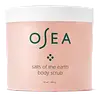 Key Ingredients
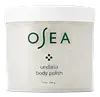
Benefits
Concerns
Ingredients Side-by-side
Sodium Chloride
MaskingCarthamus Tinctorius Seed Oil
Masking



Silica
Abrasive


Butyrospermum Parkii Butter
Skin Conditioning



Gigartina Skottsbergii Extract
Skin ConditioningOlea Europaea Fruit Oil
Masking
Oryza Sativa Bran Extract
Skin Conditioning
Rosmarinus Officinalis Extract
AntimicrobialHelianthus Annuus Seed Extract
Skin Conditioning
Tocopherol
Antioxidant





Illite
Abrasive
Lavandula Angustifolia Oil
Masking


Sodium Olivate
CleansingPersea Gratissima Oil
Skin Conditioning
Orbignya Oleifera Seed Oil
Emollient
Sodium Chloride, Carthamus Tinctorius Seed Oil, Silica, Butyrospermum Parkii Butter, Gigartina Skottsbergii Extract, Olea Europaea Fruit Oil, Oryza Sativa Bran Extract, Rosmarinus Officinalis Extract, Helianthus Annuus Seed Extract, Tocopherol, Illite, Lavandula Angustifolia Oil, Sodium Olivate, Persea Gratissima Oil, Orbignya Oleifera Seed Oil
Water
Skin ConditioningAleurites Moluccanus Seed Oil
Skin Conditioning
Sorbitan Olivate
Emulsifying
Carthamus Tinctorius Seed Oil
Masking
Pumice
Abrasive
Glyceryl Stearate Se
Emulsifying
Cannabis Sativa Seed Oil
Emollient
Litchi Chinensis Seed Powder
Abrasive
Glycerin
Humectant
Hydroxypropyl Starch Phosphate
Undaria Pinnatifida Extract
Skin ConditioningGigartina Stellata/Kappaphycus Alvarezii Extract
Skin ProtectingCorallina Officinalis Extract
Skin Conditioning
Lavandula Angustifolia Oil
Masking
Caprylhydroxamic Acid
ChelatingCaprylyl Glyceryl Ether
CleansingPropanediol
Solvent
Oryza Sativa Powder
Xanthan Gum
EmulsifyingCitric Acid
Buffering
Mentha Piperita Oil
Masking
Cymbopogon Schoenanthus Oil
Masking
Sodium Benzoate
Masking
Potassium Sorbate
Preservative
Water, Aleurites Moluccanus Seed Oil, Sorbitan Olivate, Carthamus Tinctorius Seed Oil, Pumice, Glyceryl Stearate Se, Cannabis Sativa Seed Oil, Litchi Chinensis Seed Powder, Glycerin, Hydroxypropyl Starch Phosphate, Undaria Pinnatifida Extract, Gigartina Stellata/Kappaphycus Alvarezii Extract, Corallina Officinalis Extract, Lavandula Angustifolia Oil, Caprylhydroxamic Acid, Caprylyl Glyceryl Ether, Propanediol, Oryza Sativa Powder, Xanthan Gum, Citric Acid, Mentha Piperita Oil, Cymbopogon Schoenanthus Oil, Sodium Benzoate, Potassium Sorbate
Ingredients Explained
These ingredients are found in both products.
Ingredients higher up in an ingredient list are typically present in a larger amount.
Carthamus Tinctorius Seed Oil comes from the seeds of the safflower plant. It is a skin conditioning agent that helps soften skin and keep it hydrated.
This seed oil has an unusual fatty acid profile: it is one of the highest linoleic acid plant oils out there (~55-77%). It also has low amounts of oleic acid, and this high-linoleic/low-oleic ratio gets people excited.
Linoleic acid helps maintain skin barrier integrity and is a building block for the ceramides in your stratum corneum. Notably, people with acne tend to have lower linoleic acid in their skin lipids as well (and this gets worse as acne gets more severe).
Overall, it's a lightweight, fast-absorbing oil that has a long safety track record. Lab testing has found it to be non-irritating for skin or eyes.
The Malassezia yeast can metabolize the fatty acids in this oil to grow; therefore this ingredient may not be fungal acne safe.
Learn more about Carthamus Tinctorius Seed OilLavandula Angustifolia Oil is more commonly known as lavender essential oil. It is considered a fragrancing ingredient.
Lavender imparts a famous scent. While the smell is lovely, this ingredient and may sensitize skin in topical products. This is because about 85% of the oil is made up of linalool and linalyl acetate.
When exposed to air, these two compounds become strong allergens. This ingredient exhibits cytotoxicity at low concentrations; amounts of 0.25% have been shown to damage skin cells.
A study from Japan found this ingredient caused lavender sensitivity after widespread exposure.
Lavender essential oil has some antimicrobial, antibacterial, and anti-inflammatory properties. However, the cons of this ingredient may outweight the pros.
More research is needed to confirm lavender essential oil's effects when used in aromatherapy.
Lavandula Angustifolia is known as the English Lavender and famous for creating purple fields in Provence, France.
Learn more about Lavandula Angustifolia Oil

