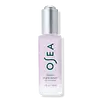
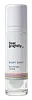
This anti-aging serum is formulated around Palmitoyl Tripeptide-38 and Lactic Acid to soften the look of wrinkles and refine skin texture.

What's inside
What's inside
 Key Ingredients
Benefits
Concerns
Ingredients Side-by-side
Water
Skin ConditioningCucumis Sativus Fruit Water
Skin ConditioningGlycerin
Humectant


Propanediol
Solvent
Sodium Hyaluronate
Humectant


Lavandula Angustifolia Flower Extract
Cleansing

Palmitoyl Tripeptide-38
Skin Conditioning

Jania Rubens Extract
Skin Conditioning

Chlorella Vulgaris Extract
Skin ConditioningSpirulina Platensis Extract
Skin ProtectingCitrullus Lanatus Fruit Extract
Skin Conditioning
Pyrus Malus Fruit Extract
Skin Conditioning
Lens Esculenta Fruit Extract
Skin ConditioningSodium Lactate
Buffering
Sodium PCA
Humectant
Tetrapeptide-1
Skin Conditioning
Hydrolyzed Hyaluronic Acid
Humectant
Lavandula Angustifolia Oil
Masking


Hydrolyzed Gardenia Florida Extract
Antioxidant
Hydroxypropyl Cyclodextrin
MaskingLecithin
Emollient
Lactic Acid
Buffering





Maltodextrin
Absorbent
Trehalose
Humectant
Xanthan Gum
EmulsifyingCaprylyl Glycol
Emollient
Sodium Citrate
BufferingPotassium Sorbate
Preservative
Phenoxyethanol
Preservative
Sodium Benzoate
Masking
Parfum
Masking
Citral
Perfuming
Limonene
Perfuming
Linalool
Perfuming
Water, Cucumis Sativus Fruit Water, Glycerin, Propanediol, Sodium Hyaluronate, Lavandula Angustifolia Flower Extract, Palmitoyl Tripeptide-38, Jania Rubens Extract, Chlorella Vulgaris Extract, Spirulina Platensis Extract, Citrullus Lanatus Fruit Extract, Pyrus Malus Fruit Extract, Lens Esculenta Fruit Extract, Sodium Lactate, Sodium PCA, Tetrapeptide-1, Hydrolyzed Hyaluronic Acid, Lavandula Angustifolia Oil, Hydrolyzed Gardenia Florida Extract, Hydroxypropyl Cyclodextrin, Lecithin, Lactic Acid, Maltodextrin, Trehalose, Xanthan Gum, Caprylyl Glycol, Sodium Citrate, Potassium Sorbate, Phenoxyethanol, Sodium Benzoate, Parfum, Citral, Limonene, Linalool







Reviews
Alternatives
Ingredients Explained
These ingredients are found in both products.
Ingredients higher up in an ingredient list are typically present in a larger amount.
Lecithin is a term for a group of substances found in the cell membranes of plants, animals, and humans. They are made up of phospholipids.
Thanks to its amphiphilic structure (water-loving head and oil-loving tail), it is a true multitasker:
It plays well with most ingredients and is typically used at 0.1-1%. However, concentrations up to 50% have been reported in moisturizers.
Learn more about Lecithin

