Olay Regenerist Retinol 24 + Peptide Night Moisturizer Versus Olay Regenerist Luminous Overnight Gel Mask
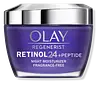
This anti-aging night moisturizer is formulated around Retinol and Niacinamide to soften the look of wrinkles and refine skin texture.
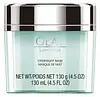
This brightening overnight mask is formulated around Niacinamide and Sodium Ascorbyl Phosphate to brighten dull-looking skin and fade the look of dark spots.

What's inside
What's inside
 Key Ingredients
Benefits
Concerns
Ingredients Side-by-side
Water
Skin ConditioningDimethicone
Emollient

Glycerin
Humectant

Tapioca Starch
Dimethicone Crosspolymer
Emulsion Stabilising
Retinol
Skin Conditioning









Retinyl Propionate
Skin Conditioning
Niacinamide
Smoothing


Palmitoyl Pentapeptide-4
Skin Conditioning
Polyacrylamide
C13-14 Isoparaffin
Emollient
DMDM Hydantoin
Preservative

Polysorbate 20
Emulsifying
Laureth-4
Emulsifying
Acrylates/C10-30 Alkyl Acrylate Crosspolymer
Emulsion StabilisingLaureth-7
EmulsifyingDimethiconol
Emollient
Polymethylsilsesquioxane
Aminomethyl Propanol
BufferingTitanium Dioxide
Cosmetic Colorant

Disodium EDTA
ChelatingIodopropynyl Butylcarbamate
Preservative
Caprylic/Capric Triglyceride
Masking
Water, Dimethicone, Glycerin, Tapioca Starch, Dimethicone Crosspolymer, Retinol, Retinyl Propionate, Niacinamide, Palmitoyl Pentapeptide-4, Polyacrylamide, C13-14 Isoparaffin, DMDM Hydantoin, Polysorbate 20, Laureth-4, Acrylates/C10-30 Alkyl Acrylate Crosspolymer, Laureth-7, Dimethiconol, Polymethylsilsesquioxane, Aminomethyl Propanol, Titanium Dioxide, Disodium EDTA, Iodopropynyl Butylcarbamate, Caprylic/Capric Triglyceride
Water
Skin ConditioningButylene Glycol
Humectant
Glycerin
Humectant
Niacinamide
Smoothing
Cyclopentasiloxane
Emollient
Isopropyl Isostearate
Emollient
Dimethicone
Emollient
Polymethylsilsesquioxane
Morus Alba Root Extract
BleachingLilium Candidum Flower Extract
Skin ConditioningLonicera Japonica Flower Extract
Skin ConditioningSodium Ascorbyl Phosphate
Antioxidant

Tocopheryl Acetate
Antioxidant
Glucosyl Hesperidin
HumectantPanthenol
Skin Conditioning
Acrylates/C10-30 Alkyl Acrylate Crosspolymer
Emulsion StabilisingDimethiconol
Emollient
Dimethicone Crosspolymer
Emulsion Stabilising
Aminomethyl Propanol
BufferingPhenoxyethanol
Preservative
DMDM Hydantoin
Preservative
Ethylhexyl Salicylate
UV Absorber
Benzyl Alcohol
Perfuming



Cetyl Alcohol
Emollient
Iodopropynyl Butylcarbamate
Preservative
Disodium EDTA
ChelatingParfum
Masking
Water, Butylene Glycol, Glycerin, Niacinamide, Cyclopentasiloxane, Isopropyl Isostearate, Dimethicone, Polymethylsilsesquioxane, Morus Alba Root Extract, Lilium Candidum Flower Extract, Lonicera Japonica Flower Extract, Sodium Ascorbyl Phosphate, Tocopheryl Acetate, Glucosyl Hesperidin, Panthenol, Acrylates/C10-30 Alkyl Acrylate Crosspolymer, Dimethiconol, Dimethicone Crosspolymer, Aminomethyl Propanol, Phenoxyethanol, DMDM Hydantoin, Ethylhexyl Salicylate, Benzyl Alcohol, Cetyl Alcohol, Iodopropynyl Butylcarbamate, Disodium EDTA, Parfum
Reviews
Ingredients Explained
These ingredients are found in both products.
Ingredients higher up in an ingredient list are typically present in a larger amount.
Acrylates/C10-30 Alkyl Acrylate Crosspolymer is a synthetic polymer. It is used to thicken, emulsify, and improve the texture of products.
As an emulsifier, it helps stabilize oil-in-water emulsions to give products an elegant feel when applied.
It can also form a thin protective film on skin. One study found that a formula using this polymer helped slow down how quickly other ingredients (like DEET) were absorbed through skin.
A 2024 study of over 1,300 patients confirmed that sensitization to this ingredient is rare. It is also non-mutagenic and has a clean track record.
Learn more about Acrylates/C10-30 Alkyl Acrylate CrosspolymerAminomethyl Propanol is used to adjust the pH of products. It is also used as a base to create other organic compounds. Having a balanced pH is important for protecting your skin.
Aminomethyl propanol is safe to use in cosmetics up to 1%. It is soluble in water.
Dimethicone is a type of synthetic silicone created from natural materials such as quartz. It is also known as polydimethylsiloxane.
What it does:
Dimethicone comes in different viscosities:
Depending on the viscosity, dimethicone has different properties.
Ingredients lists don't always show which type is used, so we recommend reaching out to the brand if you have questions about the viscosity.
This ingredient is unlikely to cause irritation because it does not get absorbed into skin. However, people with silicone allergies should be careful about using this ingredient.
Note: Dimethicone may contribute to pilling. This is because it is not oil or water soluble, so pilling may occur when layered with products. When mixed with heavy oils in a formula, the outcome is also quite greasy.
Learn more about DimethiconeDimethicone Crosspolymer is a silicone created by modifying dimethicone with hydrocarbon side chains. Due to its large size, it does not penetrate skin. It is considered non-occlusive.
Dimethicone Crosspolymer is used to stabilize and thicken products. It also helps give products a silky feel.
Dimethiconol is a silicone that resembles the popular dimethicone. Like other silicones, it is an emollient. Emollients create a thin film on skin to prevent moisture from escaping.
This ingredient helps to create a silky texture and improve spreadability. Due to its high molecular weight and thickness, it is often combined with cyclopentasiloxane.
Disodium EDTA is a chelating agent. It grabs onto and deactivates metal ions that sneak into your products from water, packaging, or air.
This ingredient mainly works behind the scenes and helps with:
On top of that, this ingredient can counteract the effects of hard water by binding to the minerals in it.
One thing worth knowing is that Disodium EDTA has been shown to be a mild penetration enhancer. It can help other ingredients absorb into skin more effectively which can be a double-edged sword (great for actives, but can also make the active too strong if you have sensitive skin).
Clinical patch testing showed no significant skin irritation at typical use concentrations and minimal dermal absorption.
You'll most likely see this ingredient near the end of an ingredient list. It's typically found in concentrations less than 1%.
Learn more about Disodium EDTADMDM Hydantoin has antimicrobial and antifungal properties. It is a preservative that works by slowly releasing formaldehyde over time.
So what's formaldehyde?
DMDM Hydantoin is approved for use in cosmetics all around the world.
In the EU, this ingredient is allowed in personal products up to 0.6 percent.
You might have heard of the class-action lawsuit about it causing hair loss. According to chemists, there has not been a link found between this ingredient and hair loss.
The Hydantoin part of this ingredient is created by reacting glycolic acid and urea.
You can check out alternatives to Dmdm Hydantoin:
phenoxyethanol, potassium sorbate, and sodium benzoate.
Glycerin (or glycerol) is a compound naturally found in your skin. It's a powerhouse humectant that pulls water into the stratum corneum.
Topically, glycerin does several things at once:
Your skin makes glycerin on its own (mostly from sebaceous oil breakdown) and shuttles it to your outermost layer of skin, or your epidermis, via aquaporin-3.
Aquaporin-3 is a transporter that is essential for normal skin hydration, elasticity, and repair. Interestingly, mice lacking in AQP3 have dry and less elastic skin that can be fully corrected with glycerin.
This ingredient is non-irritating, plays well with almost every ingredient, and works across all skin types. Typical use is anywhere between 3-10% but can go up to 79% in some leave-on products.
Just know very high concentrations (>40%) can feel tacky in low humidity.
Glycerin is the name for this ingredient in American English. British English uses Glycerol/Glycerine.
Learn more about GlycerinIodopropynyl Butylcarbamate (IPBC) is a preservative that is especially good at getting fungi and mold out of your cosmetics.
IPBC works by leveraging the antimicrobial properties of its iodine containing structure. Iodine has been used as a germicide since the late 1800s and IPBC is a more refined and stable derivative of it.
It is typically used at very low levels in cosmetics, with most formulations using 0.0125% or less (well below its approved maximum).
In the EU, IPBC concentration limits are set at 0.02% in rinse-off products and 0.01% in leave-on products.
Though IPBC is a relatively uncommon contact allergen, patch testing studies show positive reaction rates ranging from 0.3%-0.9% of patients tested. This is still quite low compared to preservatives like methylisothiazolinone which sits at around 4-5%.
Researchers note that existing iodine sensitives or rubber allergies may be the cause of this as IPBC shares a structure with both thiuram (used in rubber) and iodine.
Be sure to patch test if you are unsure and speak with a medical professional about using this ingredient.
Learn more about Iodopropynyl ButylcarbamateNiacinamide is a multitasking form of vitamin B3 that strengthens the skin barrier, reduces pores and dark spots, regulates oil, and improves signs of aging.
And the best part? It's gentle and well-tolerated by most skin types, including sensitive and reactive skin.
You might have heard of "niacin flush", or the reddening of skin that causes itchiness. Niacinamide has not been found to cause this.
In very rare cases, some individuals may not be able to tolerate niacinamide at all or experience an allergic reaction to it.
If you are experiencing flaking, irritation, and dryness with this ingredient, be sure to double check all your products as this ingredient can be found in all categories of skincare.
When incorporating niacinamide into your routine, look out for concentration amounts. Typically, 5% niacinamide provides benefits such as fading dark spots. However, if you have sensitive skin, it is better to begin with a smaller concentration.
When you apply niacinamide to your skin, your body converts it into nicotinamide adenine dinucleotide (NAD). NAD is an essential coenzyme that is already found in your cells as "fuel" and powers countless biological processes.
In your skin, NAD helps repair cell damage, produce new healthy cells, support collagen production, strengthen the skin barrier, and fight environmental stressors (like UV and pollution).
Our natural NAD levels start to decline with age, leading to slower skin repair, visible aging, and a weaker skin barrier. By providing your skin niacinamide, you're recharging your skin's NAD levels. This leads to stronger, healthier, and younger looking skin.
Another name for vitamin B3 is nicotinamide. This vitamin is water-soluble and our bodies don't store it. We obtain Vitamin B3 from either food or skincare. Meat, fish, wheat, yeast, and leafy greens contain vitamin B3.
The type of niacinamide used in skincare is synthetically created.
Learn more about NiacinamidePolymethylsilsesquioxane is a silicone used as a film forming agent.
When applied to the skin, this ingredient creates an invisible film on the surface. This film still allows oxygen to pass through, but prevents moisture from escaping. This can help condition and hydrate the skin. It also leaves a silky feel when applied.
Polymethylsilsesquioxane has not been shown to clog pores. It has been deemed safe to use up to 55%, but most cosmetics use much less.
If you have concerns about using this ingredient, we recommend speaking with a professional.
Learn more about PolymethylsilsesquioxaneWater. It's the most common cosmetic ingredient of all. You'll usually see it at the top of ingredient lists, meaning that it makes up the largest part of the product.
So why is it so popular? Water most often acts as a solvent - this means that it helps dissolve other ingredients into the formulation.
You'll also recognize water as that liquid we all need to stay alive. If you see this, drink a glass of water. Remember to stay hydrated!
Learn more about Water

