Oio Lab Lunula Night Anti-Ageing Night Facial Oil Versus Farmacy Honey Grail Ultra-Hydrating Face Oil
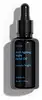
This anti-aging oil is formulated around Squalane and Hydrogenated Retinol to soften the look of wrinkles and refine skin texture.
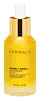
This hydrating oil is formulated around Oenothera Biennis Oil and Honey Extract to hydrate skin and strengthen the skin barrier.


What's inside
What's inside
 Key Ingredients
Benefits
Concerns
Ingredients Side-by-side
Punica Granatum Seed Extract
Skin ConditioningOenothera Biennis Oil
Emollient







Adansonia Digitata Seed Oil
Emollient
Plukenetia Volubilis Seed Oil
Emollient
Squalane
Emollient
Vaccinium Macrocarpon Seed Oil
Skin Conditioning
Caprylic/Capric Triglyceride
Masking
Hippophae Rhamnoides Extract
MaskingTocopherol
Antioxidant



Hydrogenated Retinol
Skin Conditioning



Helianthus Annuus Seed Oil
Emollient
Linalool
Perfuming


Rosmarinus Officinalis Leaf Extract
AntimicrobialPunica Granatum Seed Extract, Oenothera Biennis Oil, Adansonia Digitata Seed Oil, Plukenetia Volubilis Seed Oil, Squalane, Vaccinium Macrocarpon Seed Oil, Caprylic/Capric Triglyceride, Hippophae Rhamnoides Extract, Tocopherol, Hydrogenated Retinol, Helianthus Annuus Seed Oil, Linalool, Rosmarinus Officinalis Leaf Extract
Cocoglycerides
Emollient
Caprylic/Capric Triglyceride
Masking
Octyldodecanol
Emollient
Cocos Nucifera Oil
Masking
Crambe Abyssinica Seed Oil
Skin Conditioning
Ethylcellulose
Oenothera Biennis Oil
Emollient
Helianthus Annuus Seed Oil
Emollient
Hibiscus Sabdariffa Seed Oil
Emollient
Rosa Moschata Seed Oil
Emollient
Honey Extract
Humectant
Propolis Extract
Skin Conditioning

Royal Jelly Extract
Skin Conditioning
Hippophae Rhamnoides Oil
Emollient
Hippophae Rhamnoides Seed Oil
Skin Protecting
Helianthus Annuus Extract
Emollient
Citrus Aurantium Bergamia Fruit Oil
Masking
Tocopherol
Antioxidant
Oryza Sativa Bran Extract
Skin Conditioning
Water
Skin ConditioningRosmarinus Officinalis Leaf Extract
AntimicrobialAroma

Limonene
Perfuming
Linalool
Perfuming
Cocoglycerides, Caprylic/Capric Triglyceride, Octyldodecanol, Cocos Nucifera Oil, Crambe Abyssinica Seed Oil, Ethylcellulose, Oenothera Biennis Oil, Helianthus Annuus Seed Oil, Hibiscus Sabdariffa Seed Oil, Rosa Moschata Seed Oil, Honey Extract, Propolis Extract, Royal Jelly Extract, Hippophae Rhamnoides Oil, Hippophae Rhamnoides Seed Oil, Helianthus Annuus Extract, Citrus Aurantium Bergamia Fruit Oil, Tocopherol, Oryza Sativa Bran Extract, Water, Rosmarinus Officinalis Leaf Extract, Aroma, Limonene, Linalool
Reviews
Ingredients Explained
These ingredients are found in both products.
Ingredients higher up in an ingredient list are typically present in a larger amount.
Caprylic/Capric Triglyceride (aka MCT Oil) is a lightweight emollient, solvent, and texture enhancer. It is considered a skin-softener by helping to prevent moisture loss.
Though it behaves like an oil, it is not technically one due to its chemical composition. One perk of this ingredient is that it is very stable, resistant to oxidation, and unlikely to go rancid.
In practice, that translates to a long shelf life and a consistently elegant skin feel.
While there is an assumption Caprylic Triglyceride can clog pores due to it being derived from coconut oil, there is no research supporting this. Just patch test if you have concerns.
Fractionated coconut oil and MCT Oil are both listed as Caprylic/Capric Triglyceride according to INCI. This is because INCI names are based on the ingredient’s final chemical composition and not its marketing name or source.
This ingredient is treated as the gold standard fungal acne safe oil. Even though it is coconut derived, the problematic lauric acid is stripped out.
This leaves just caprylic (C8) and capric (C10) acid. These chain lengths actually trend antifungal; a 2020 study found caprylic acid was enough to disrupt Malassezia furfur cell membrane, with a caprylic acid derivative damaging membrane structures at concentrations as low as 0.2%.
Learn more about Caprylic/Capric TriglycerideHelianthus Annuus Seed Oil is a plant oil derived from the seeds of a sunflower.
It is rich in fatty acids, primarily linoleic acid and oleic acid. This gives it emollient and skin conditioning properties.
The reason this ingredient is so effective is because it forms a thin film on the skin that reduces transepidermal water loss (TEWL) while supplying linoleic acid to the stratum corneum to improve barrier strength.
The high linoleic acid content is particularly noteworthy for acne-prone skin.
Research suggests that acne-prone skin tends to be deficient in linoleic acid in sebum. Topical application may help replenish this to support a healthier follicular environment and less comedone-promoting sebum.
One randomized study found sunflower seed oil preserved skin barrier integrity in adult volunteers with and without atopic dermatitis (outperforming olive oil).
This ingredient is well-studied, gentle, and an effective emollient suitable for most skin types.
On fungal acne: This ingredient may not be Fungal acne (Malassezia folliculitis) safe. This is because it contains fatty acids with carbon chain lengths in the C11-C24 range.
Learn more about Helianthus Annuus Seed OilLinalool is a small, naturally occurring scent molecule found in plants like lavender, coriander, bergamot, and more.
It is one of the two most-used fragrance ingredients in cosmetics and added purely for smell. Since it's not used for a skin benefit, there's no "effective dose". Concentration depends on the fragrance load of the product.
The EU requires it to be named on the label above 0.001% in leave-on and 0.01% in rinse-off products.
Fresh linalool is a weak sensitizer but air exposure turns some of it into hydroperoxides, which are strong sensitizers. Those oxidation products are the actual allergy concern.
Patch-test clinics see positive reactions to linalool hydroperoxides in about 4% to 12% of dermatitis patients depending on country and test concentration.
Resassuringly, one analytical study found hydroperoxide levels in real fragranced products to be orders of magnitude below what induced sensitization in animal studies with no evidence of oxidation building up during normal storage.
The practical takeaway is that linalool is fine for most people but worth avoiding if you have a confirmed fragrance contact allergy or a badly compromised barrier.
Products stored a long time after opening are also the high-risk scenario since that is when oxidation happens.
The scent of linalool is described as floral, spicy tropical, and citrus-like.
Learn more about LinaloolOenothera Biennis Oil (aka Evening Primrose Oil) is a non-fragrant oil from the evening primrose. Like other botanical oils, it is an emollient that helps hydrate and nourish skin.
It has an interesting fatty acid profile: linoleic (70-74%) and γ-linolenic (8-10%), with some amounts ofoleic palmitic, and stearic acids.
The gamma-linoleic acid (GLA) is the headliner here; it's relatively rare in plant oils and acts as a precursor for anti-inflammatory signaling molecules in the skin.
There's a mixed body of clinical research with this ingredient as well, mostly on eczema/atopic dermatitis skin.
Some controlled trials showed improvement in inflammation, dryness, scaling, and overall severity. Other studies and large meta-analysis failed to show a significant effect; the honest takeaway here is "promising but inconsistent" rather than "miracle oil".
On the safety front, this ingredient is found to be safe as used in cosmetics and even has a history of safe food use.
This ingredient does have a comedogenic rating of 3, but this doesn't mean a formula with this ingredient will clog pores. Human testing has proved that any finished product with this ingredient won't automatically make you break out; it really comes down to concentration, formula, and your skin.
Since this oil is contains oleic acid and palmitic acid, it may not be fungal acne safe. The Malassezia yeast feeds on fatty acids with carbon chain lengths between C11-C24. Oleic Acid sits at C18 and Palmitic acid sits at C16.
In vitro studies have shown that oleic acid and palmitic acid are some of the fatty acids that induce rapid Malassezia growth in lab settings.
Learn more about Oenothera Biennis OilThis is a botanical extract from the rosemary plant (the same one you cook with). In skincare, it mostly works as a skin conditioning agent.
Its activity comes from a handful of polyphenols, carnosic acid, carnosol, and rosmarinic acid. Almost 90% of the antioxidant activity of this ingredient can be attributed to canosol and carnosic acid.
These compounds protect your skin two ways:
1) They fight off free radicals, or the unstable molecules from things like sun and pollution that age and damage skin.
2) They help calm inflammation by switching off the chemical signals that tell skin to get red and irritated.
Lab studies also suggest that rosmarinic acid may help protect collagen and slow sugar-related damage to it.
The Cosmetic Ingredient Review has concluded rosemary-derived ingredients to be safe when formulated to be non-sensitizing.
Rosemary can occasionally cause allergic contact dermatitis (due to carnosol), so be sure to patch test if you have reactive or fragrance-sensitive skin.
Learn more about Rosmarinus Officinalis Leaf ExtractTocopherol is a fat-soluble antioxidant known as Vitamin E.
You'll find this ingredient in the vast majority of skincare (for good reason). It works to neutralize free radicals, or unstable molecules generated by UV exposure, pollution, and other environmental stressors, before they can cause oxidative damage to your skin cells.
Topically applied tocopherol has been shown to protect against UV damage by ramping up the skin's own natural defense enzymes.
It also acts as a skin conditioning agent; some studies show that regular topical use can improve the skin's water-binding capacity over 2-4 weeks.
This ingredient is especially loved for being a team player. When combined with Vitamin C, the photoprotective effect of both ingredients roughly doubles and the combo also helps reduce UV-induced DNA damage.
This ingredient has some brightening potential but it's more of a prevention ingredient than spot-fader. Cell studies show it can slow down melanin production but it's worth noting that it's not the most powerful brightener out there.
In formulations, it also serves as a stabilizer that helps protect other oxidation-prone ingredients from degrading.
Concentrations usually range from 0.1-1% in most leave-on products.
Learn more about Tocopherol

