
What's inside
What's inside
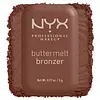 Key Ingredients
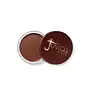
Benefits
Concerns
Ingredients Side-by-side
Mica
Cosmetic ColorantTalc
Abrasive
CI 77492
Cosmetic ColorantCI 77491
Cosmetic ColorantSilica
Abrasive

Lauroyl Lysine
Skin Conditioning
Trimethylsiloxyphenyl Dimethicone

Ethylhexyl Palmitate
Emollient




CI 77891
Cosmetic ColorantZinc Stearate
Cosmetic ColorantCI 77499
Cosmetic ColorantOctyldodecanol
Emollient
Mangifera Indica Seed Butter
Skin Conditioning
Helianthus Annuus Seed Oil
Emollient

Prunus Amygdalus Dulcis Oil
Skin Conditioning
Butyrospermum Parkii Butter
Skin Conditioning
Caprylyl Glycol
Emollient
Isostearyl Isostearate
Emollient
Octyldodecyl Stearoyl Stearate
Emollient
Tocopherol
Antioxidant





Phenoxyethanol
Preservative
Parfum
Masking


Mica, Talc, CI 77492, CI 77491, Silica, Lauroyl Lysine, Trimethylsiloxyphenyl Dimethicone, Ethylhexyl Palmitate, CI 77891, Zinc Stearate, CI 77499, Octyldodecanol, Mangifera Indica Seed Butter, Helianthus Annuus Seed Oil, Prunus Amygdalus Dulcis Oil, Butyrospermum Parkii Butter, Caprylyl Glycol, Isostearyl Isostearate, Octyldodecyl Stearoyl Stearate, Tocopherol, Phenoxyethanol, Parfum
Caprylic/Capric Triglyceride
Masking
Polyglyceryl-2 Triisostearate
Emulsifying
Hydrogenated Polyisobutene
EmollientCocoglycerides
Emollient
Synthetic Fluorphlogopite
Silica
Abrasive
Mica
Cosmetic ColorantCalcium Sodium Borosilicate
Polyethylene
Abrasive
Polymethylsilsesquioxane
Soybean Glycerides
Emollient1,2-Hexanediol
Skin Conditioning
Caprylyl Glycol
Emollient
Stearoyl Glutamic Acid
CleansingButyrospermum Parkii Butter
Skin Conditioning
Butyrospermum Parkii Butter Unsaponifiables
Skin Conditioning
Polyhydroxystearic Acid
Emulsifying
Helianthus Annuus Seed Oil
Emollient
Rosmarinus Officinalis Leaf Extract
AntimicrobialDatem
EmollientSunflower Seed Oil Glycerides
Emollient
Tropolone
Skin ConditioningAscorbyl Palmitate
Antioxidant

Tin Oxide
Abrasive
CI 77491
Cosmetic ColorantCI 77492
Cosmetic ColorantCI 77499
Cosmetic ColorantCI 77891
Cosmetic ColorantCaprylic/Capric Triglyceride, Polyglyceryl-2 Triisostearate, Hydrogenated Polyisobutene, Cocoglycerides, Synthetic Fluorphlogopite, Silica, Mica, Calcium Sodium Borosilicate, Polyethylene, Polymethylsilsesquioxane, Soybean Glycerides, 1,2-Hexanediol, Caprylyl Glycol, Stearoyl Glutamic Acid, Butyrospermum Parkii Butter, Butyrospermum Parkii Butter Unsaponifiables, Polyhydroxystearic Acid, Helianthus Annuus Seed Oil, Rosmarinus Officinalis Leaf Extract, Datem, Sunflower Seed Oil Glycerides, Tropolone, Ascorbyl Palmitate, Tin Oxide, CI 77491, CI 77492, CI 77499, CI 77891
Ingredients Explained
These ingredients are found in both products.
Ingredients higher up in an ingredient list are typically present in a larger amount.
This ingredient is also known as shea butter. It is a plant-derived extract from the nuts of the Africa shea tree and one of the most well-studied emollients.
Because it has a high concentration of fatty acids (primarily oleic, stearic, and linoleic) it is able to form a protective barrier on the skin's surface. This helps seal in moisture and prevents transepidermal water loss (TEWL).
In vitro research found an increase in skin hydration by 58% and a decrease in TEWL by 37.8% after 24 hours of applying this ingredient (pretty impressive for a single ingredient!).
Besides hydration, shea butter also contains triterpenes that have anti-inflammatory potential. In particule, lupeol cinnamate has shown the highest anti-inflammatory activity in vivo.
Shea butter also contains vitamins A and E which may contribute to antioxidant activity.
While Shea Butter has an SPF rating of about 3-4, it is not a sunscreen replacement.
This ingredient may not be fungal acne safe because its fatty acids fall within the C11-C24 range that the Malassezia yeast can metabolize.
This ingredient shows up on a lot of "pore-clogging" lists but there's no real evidence behind that. It doesn't even have a comedogenic rating from an actual study; the numbers you'll find online come from blogs citing other blogs.
Ratings for other ingredients mostly come from a 1980s rabbit ear test. This test doesn't translate well to human skin or to real products because the ingredient sits at a much lower percentage.
Some people still find it breaks them out. So if that's you, definitely trust your skin. Just know this one's based on experience and not evidence.
Learn more about Butyrospermum Parkii ButterCaprylyl Glycol is a humectant, skin conditioner, emollient, and preservative booster derived from either caprylic acid or synthetically created.
Typical use levels vary from 0.3-1% as a preservative booster and go up to 2% to condition skin.
Because it is not a free-fatty acid, this ingredient is fungal acne safe (there's nothing for Malassezia to feed on).
Learn more about Caprylyl GlycolCi 77491 is also hydrated iron III oxide. It's sole purpose is to give a red/pink hue to products.
Iron III oxides are classified as inorganic chemicals for coloring.
Synthetically created Ci 77491 is considered safer than those naturally found. This is because the synthetically created version may contain less impurities. Iron oxides are generally non-toxic and non-allergenic.
Learn more about CI 77491CI 77492 is also hydrated iron III oxide. It's sole purpose is to give a yellow hue to products.
Iron III oxides are classified as inorganic chemicals for coloring.
Synthetically created CI 77492 is considered safer than those naturally found. This is because the synthetically created version may contain less impurities. Iron oxides are generally non-toxic and non-allergenic.
Learn more about CI 77492Ci 77499 is also hydrated iron III oxide. It is created from mixing red and black iron oxides. This helps give shades of darkness to a product.
Iron III oxides are classified as inorganic chemicals for coloring.
Ci 77891 is a white pigment from Titanium dioxide. It is naturally found in minerals such as rutile and ilmenite.
It's main function is to add a white color to cosmetics. It can also be mixed with other colors to create different shades.
Ci 77891 is commonly found in sunscreens due to its ability to block UV rays.
Learn more about CI 77891Helianthus Annuus Seed Oil is a plant oil derived from the seeds of a sunflower.
It is rich in fatty acids, primarily linoleic acid and oleic acid. This gives it emollient and skin conditioning properties.
The reason this ingredient is so effective is because it forms a thin film on the skin that reduces transepidermal water loss (TEWL) while supplying linoleic acid to the stratum corneum to improve barrier strength.
The high linoleic acid content is particularly noteworthy for acne-prone skin.
Research suggests that acne-prone skin tends to be deficient in linoleic acid in sebum. Topical application may help replenish this to support a healthier follicular environment and less comedone-promoting sebum.
One randomized study found sunflower seed oil preserved skin barrier integrity in adult volunteers with and without atopic dermatitis (outperforming olive oil).
This ingredient is well-studied, gentle, and an effective emollient suitable for most skin types.
On fungal acne: This ingredient may not be Fungal acne (Malassezia folliculitis) safe. This is because it contains fatty acids with carbon chain lengths in the C11-C24 range.
Learn more about Helianthus Annuus Seed OilMica is a naturally occurring mineral used to add shimmer and color in cosmetics. It can also help improve the texture of a product or give it an opaque, white/silver color.
Serecite is the name for very fine but ragged grains of mica.
This ingredient is often coated with metal oxides like titanium dioxide. Trace amounts of heavy metals may be found in mica, but these metals are not harmful in our personal products.
Mica has been used since prehistoric times throughout the world. Ancient Egyptian, Indian, Greek, Roman, Aztec, and Chinese civilizations have used mica.
Learn more about MicaSilica, also known as silicon dioxide, is a naturally occurring mineral. It is used as a fine, spherical, and porous powder in cosmetics.
Though it has exfoliant properties, the function of silica varies depending on the product.
The unique structure of silica enhances the spreadability and adds smoothness, making it a great texture enhancer.
It is also used as an active carrier, emulsifier, and mattifier due to its ability to absorb excess oil.
In some products, tiny microneedles called spicules are made from silica or hydrolyzed sponge. When you rub them in, they lightly polish away dead skin layers and enhance the penetration of active ingredients.
Learn more about Silica

