
What's inside
What's inside
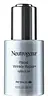 Key Ingredients
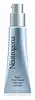
Benefits
Concerns
Ingredients Side-by-side

Water
Skin ConditioningDimethicone
Emollient

Aluminum Starch Octenylsuccinate
Absorbent
Dimethicone Crosspolymer
Emulsion Stabilising
Ammonium Acryloyldimethyltaurate/Vp Copolymer
Trisiloxane
Skin Conditioning
Nylon-12

C12-15 Alkyl Benzoate
AntimicrobialAscorbyl Glucoside
Antioxidant


Glycerin
Humectant

Mica
Cosmetic ColorantCaprylyl Glycol
Emollient
Titanium Dioxide
Cosmetic Colorant
Polyacrylamide
Xanthan Gum
EmulsifyingC13-14 Isoparaffin
Emollient
Sodium Hyaluronate
Humectant


Sodium Lactate
Buffering
Hydrolyzed Myrtus Communis Leaf Extract
Skin ProtectingSodium Hydroxide
BufferingBHT
Antioxidant
Disodium EDTA
Polysorbate 20
Emulsifying
Sodium PCA
Humectant
Laureth-7
EmulsifyingRetinol
Skin Conditioning





Sorbitol
Humectant
Proline
Skin Conditioning
Hinokitiol
Parfum
Masking


Water, Dimethicone, Aluminum Starch Octenylsuccinate, Dimethicone Crosspolymer, Ammonium Acryloyldimethyltaurate/Vp Copolymer, Trisiloxane, Nylon-12, C12-15 Alkyl Benzoate, Ascorbyl Glucoside, Glycerin, Mica, Caprylyl Glycol, Titanium Dioxide, Polyacrylamide, Xanthan Gum, C13-14 Isoparaffin, Sodium Hyaluronate, Sodium Lactate, Hydrolyzed Myrtus Communis Leaf Extract, Sodium Hydroxide, BHT, Disodium EDTA, Polysorbate 20, Sodium PCA, Laureth-7, Retinol, Sorbitol, Proline, Hinokitiol, Parfum
Reviews
Ingredients Explained
These ingredients are found in both products.
Ingredients higher up in an ingredient list are typically present in a larger amount.
BHT is a synthetic antioxidant and preservative.
As an antioxidant, it helps your body fight off free-radicals. Free-radicals are molecules that may damage your skin cells.
As a preservative, it is used to stabilize products and prevent them from degrading. Specifically, BHT prevents degradation from oxidation.
The concerns related to BHT come from oral studies; this ingredient is currently allowed for use by both the FDA and EU.
However, it was recently restricted for use in the UK as of April 2024.
Learn more about BHTParfum is a catch-all term for an ingredient or more that is used to give a scent to products.
Also called "fragrance", this ingredient can be a blend of hundreds of chemicals or plant oils. This means every product with "fragrance" or "parfum" in the ingredients list is a different mixture.
For instance, Habanolide is a proprietary trade name for a specific aroma chemical. When used as a fragrance ingredient in cosmetics, most aroma chemicals fall under the broad labeling category of “FRAGRANCE” or “PARFUM” according to EU and US regulations.
The term 'parfum' or 'fragrance' is not regulated in many countries. In many cases, it is up to the brand to define this term.
For instance, many brands choose to label themselves as "fragrance-free" because they are not using synthetic fragrances. However, their products may still contain ingredients such as essential oils that are considered a fragrance by INCI standards.
One example is Calendula flower extract. Calendula is an essential oil that still imparts a scent or 'fragrance'.
Depending on the blend, the ingredients in the mixture can cause allergies and sensitivities on the skin. Some ingredients that are known EU allergens include linalool and citronellol.
Parfum can also be used to mask or cover an unpleasant scent.
The bottom line is: not all fragrances/parfum/ingredients are created equally. If you are worried about fragrances, we recommend taking a closer look at an ingredient. And of course, we always recommend speaking with a professional.
Learn more about ParfumPolysorbate 20 is a gentle, water-soluble emulsifier and mild surfactant. It stops oil and water from separating to keep your formulas blended and stable.
It also acts as a mild penetration enhancer by helping active ingredients absorb slightly better.
The common safety discussion around this ingredient involves a manufacturing byproduct called 1,4-dioxane.
Trace amounts can form during production but the EU's Scientific Committee on Consumer Safety has concluded that levels at/below 10 ppm in finished products are safe (commercial products consistently fall within acceptable margins).
True allergic reactions are uncommon and the CIR Expert Panel has confirmed this ingredient to be safe as used in cosmetics.
Because it is derived from lauric acid, it may not be fungal acne safe.
Learn more about Polysorbate 20Retinol is a gold-standard ingredient for anti-aging. It is a form of Vitamin A and belongs to the class of retinoids that also includes tretinoin.
Why is retinol famous?
It has the most scientific studies backing up its skin benefits out of all the non-prescription ingredients.
Retinol is proven to:
This is why retinol is effective at removing wrinkles, fading dark spots, treating acne, and reducing the appearance of pores.
Studies show retinol is less effective when exposed to UV. Be sure to look for appropriate packaging to keep your retinol potent (similar to Vitamin C).
Using retinol or any retinoids will increase sun-sensitivity in the first few months. Though studies show retinoids increase your skin's natural SPF with continuous use, it is best to always wear sunscreen and sun-protection.
We recommend speaking with a medical professional about using this ingredient during pregnancy.
Retinol may cause irritation in some people, so be sure to patch test. Experts recommend 'ramping up' retinol use: start using this ingredient once a week and work up to using it daily.
Read about Tretinoin
Learn more about Retinol
