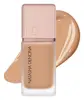
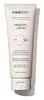
Natasha Denona Hy-Glam Foundation Hydrating & Blurring Luminous Longwear Serum Foundation Versus MDSolarSciences Mineral Crème SPF 50
This hybrid sunscreen covers the full UV range and blocks ~98% of UVB at SPF 50.


What's inside
What's inside
 Key Ingredients
Benefits
Concerns
Ingredients Side-by-side
Water
Skin ConditioningCI 77891
Cosmetic ColorantDiphenylsiloxy Phenyl Trimethicone
Skin Conditioning
Phenyl Trimethicone
Skin Conditioning
Dimethicone
Emollient
Butylene Glycol
Humectant

Caprylyl Methicone
Skin Conditioning
Glycerin
Humectant
CI 77492
Cosmetic ColorantLauryl Polyglyceryl-3 Polydimethylsiloxyethyl Dimethicone
Skin Conditioning
Isododecane
EmollientTrimethylsiloxysilicate
Emollient
Alcohol Denat.
Antimicrobial




Polyglyceryl-3 Polydimethylsiloxyethyl Dimethicone
Skin Conditioning
Acrylates/Polytrimethylsiloxymethacrylate Copolymer
Skin ConditioningPhenylpropyldimethylsiloxysilicate
EmollientSorbitan Sesquioleate
Emulsifying

C13-15 Alkane
Solvent1,2-Hexanediol
Skin Conditioning
Quaternium-90 Bentonite
Acrylates/Dimethicone Copolymer
Skin Conditioning
Magnesium Sulfate
Boron Nitride
Absorbent
Dimethicone/Vinyl Dimethicone Crosspolymer
Skin Conditioning
CI 77491
Cosmetic ColorantHydroxyacetophenone
Antioxidant
Disodium Stearoyl Glutamate
CleansingCI 77499
Cosmetic ColorantCaprylic/Capric Triglyceride
Masking
Bambusa Arundinacea Stem Powder
Abrasive
Aluminum Hydroxide
EmollientChlorella Emersonii Extract
Skin ConditioningTocopherol
Antioxidant




Jasminum Sambac Leaf Cell Extract
Masking
Vitis Vinifera Fruit Extract
Skin ConditioningCamellia Sinensis Leaf Extract
Antimicrobial

Water, CI 77891, Diphenylsiloxy Phenyl Trimethicone, Phenyl Trimethicone, Dimethicone, Butylene Glycol, Caprylyl Methicone, Glycerin, CI 77492, Lauryl Polyglyceryl-3 Polydimethylsiloxyethyl Dimethicone, Isododecane, Trimethylsiloxysilicate, Alcohol Denat., Polyglyceryl-3 Polydimethylsiloxyethyl Dimethicone, Acrylates/Polytrimethylsiloxymethacrylate Copolymer, Phenylpropyldimethylsiloxysilicate, Sorbitan Sesquioleate, C13-15 Alkane, 1,2-Hexanediol, Quaternium-90 Bentonite, Acrylates/Dimethicone Copolymer, Magnesium Sulfate, Boron Nitride, Dimethicone/Vinyl Dimethicone Crosspolymer, CI 77491, Hydroxyacetophenone, Disodium Stearoyl Glutamate, CI 77499, Caprylic/Capric Triglyceride, Bambusa Arundinacea Stem Powder, Aluminum Hydroxide, Chlorella Emersonii Extract, Tocopherol, Jasminum Sambac Leaf Cell Extract, Vitis Vinifera Fruit Extract, Camellia Sinensis Leaf Extract
Titanium Dioxide 2%
Cosmetic Colorant

Zinc Oxide 17%
Cosmetic Colorant
Dimethicone
Emollient
Caprylic/Capric Triglyceride
Masking
Dimethicone Crosspolymer
Emulsion Stabilising
Dimethicone/Vinyl Dimethicone Crosspolymer
Skin Conditioning
Butyloctyl Salicylate
Skin Conditioning
Glyceryl Isostearate
Emollient
Polysilicone-15
UV Filter
Tetrahexyldecyl Ascorbate
Antioxidant

Camellia Sinensis Leaf Extract
Antimicrobial
Punica Granatum Extract
AstringentVaccinium Macrocarpon Fruit Extract
AstringentSilica
Abrasive
Polyhydroxystearic Acid
Emulsifying
CI 77891
Cosmetic ColorantCI 77492
Cosmetic ColorantCI 77491
Cosmetic ColorantCI 77499
Cosmetic ColorantTitanium Dioxide 2%, Zinc Oxide 17%, Dimethicone, Caprylic/Capric Triglyceride, Dimethicone Crosspolymer, Dimethicone/Vinyl Dimethicone Crosspolymer, Butyloctyl Salicylate, Glyceryl Isostearate, Polysilicone-15, Tetrahexyldecyl Ascorbate, Camellia Sinensis Leaf Extract, Punica Granatum Extract, Vaccinium Macrocarpon Fruit Extract, Silica, Polyhydroxystearic Acid, CI 77891, CI 77492, CI 77491, CI 77499
Reviews
Ingredients Explained
These ingredients are found in both products.
Ingredients higher up in an ingredient list are typically present in a larger amount.
Camellia Sinensis Leaf Extract (tea extract) is one of the most well-researched plant extracts in skincare with an impressive resume.
Black tea, green tea, and oolong tea are all harvested from the Camellia Sinensis plant.
Studies show green tea extract and its catechins (like epigallocatechin gallate (EGCG)) help your skin cells product energy more efficiently and reducing the number of free-radicals that can damage your skin from the inside.
In lab-grown skin models, this translated to younger, healthier, and stronger skin.
There's also good sun protection data; researchers saw less DNA damage and redness on human skin when green tea was applied before UVB exposure. And the more they applied, the better the protection.
Needless to say, this ingredient shouldn't replace your sunscreen. But it is a great supportive ingredient that you can already find in many sunscreens and antioxidant serums.
A 2009 study found a 2% green tea lotion was effective for mild-to-moderate acne thanks to its anti-inflammatory and mild antimicrobial activity.
The quality of the extract matters a lot here:
Good extracts contain 50-90% catechins while lower quality ones are mostly there for marketing. We recommend reaching out to the brand if you have questions about the quality or source of their ingredients.
Human Repeated Insult Patch Testing showed no irritation or sensitization at use concentrations (0.86% in leave-on products and up to 30% as leaf water).
Learn more about Camellia Sinensis Leaf ExtractCaprylic/Capric Triglyceride (aka MCT Oil) is a lightweight emollient, solvent, and texture enhancer. It is considered a skin-softener by helping to prevent moisture loss.
Though it behaves like an oil, it is not technically one due to its chemical composition. One perk of this ingredient is that it is very stable, resistant to oxidation, and unlikely to go rancid.
In practice, that translates to a long shelf life and a consistently elegant skin feel.
While there is an assumption Caprylic Triglyceride can clog pores due to it being derived from coconut oil, there is no research supporting this. Just patch test if you have concerns.
Fractionated coconut oil and MCT Oil are both listed as Caprylic/Capric Triglyceride according to INCI. This is because INCI names are based on the ingredient’s final chemical composition and not its marketing name or source.
This ingredient is treated as the gold standard fungal acne safe oil. Even though it is coconut derived, the problematic lauric acid is stripped out.
This leaves just caprylic (C8) and capric (C10) acid. These chain lengths actually trend antifungal; a 2020 study found caprylic acid was enough to disrupt Malassezia furfur cell membrane, with a caprylic acid derivative damaging membrane structures at concentrations as low as 0.2%.
Learn more about Caprylic/Capric TriglycerideCi 77491 is also hydrated iron III oxide. It's sole purpose is to give a red/pink hue to products.
Iron III oxides are classified as inorganic chemicals for coloring.
Synthetically created Ci 77491 is considered safer than those naturally found. This is because the synthetically created version may contain less impurities. Iron oxides are generally non-toxic and non-allergenic.
Learn more about CI 77491CI 77492 is also hydrated iron III oxide. It's sole purpose is to give a yellow hue to products.
Iron III oxides are classified as inorganic chemicals for coloring.
Synthetically created CI 77492 is considered safer than those naturally found. This is because the synthetically created version may contain less impurities. Iron oxides are generally non-toxic and non-allergenic.
Learn more about CI 77492Ci 77499 is also hydrated iron III oxide. It is created from mixing red and black iron oxides. This helps give shades of darkness to a product.
Iron III oxides are classified as inorganic chemicals for coloring.
Ci 77891 is a white pigment from Titanium dioxide. It is naturally found in minerals such as rutile and ilmenite.
It's main function is to add a white color to cosmetics. It can also be mixed with other colors to create different shades.
Ci 77891 is commonly found in sunscreens due to its ability to block UV rays.
Learn more about CI 77891Dimethicone is a type of synthetic silicone created from natural materials such as quartz. It is also known as polydimethylsiloxane.
What it does:
Dimethicone comes in different viscosities:
Depending on the viscosity, dimethicone has different properties.
Ingredients lists don't always show which type is used, so we recommend reaching out to the brand if you have questions about the viscosity.
This ingredient is unlikely to cause irritation because it does not get absorbed into skin. However, people with silicone allergies should be careful about using this ingredient.
Note: Dimethicone may contribute to pilling. This is because it is not oil or water soluble, so pilling may occur when layered with products. When mixed with heavy oils in a formula, the outcome is also quite greasy.
Learn more about DimethiconeThis ingredient is a silicone elastomer that works as a texture enhancer, adds a silky slip, and also helps absorb excess oil.
Because it's a large macromolecule that's insoluble in water and chemically inert, it's not expected to penetrate or be absorbed into skin.
Human patch tests with a facial lotion containing 1% of this ingredient found no sensitization.
Learn more about Dimethicone/Vinyl Dimethicone Crosspolymer

