

What's inside
What's inside
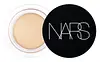 Key Ingredients
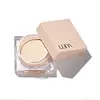
No key ingredients
Benefits
Concerns
Ingredients Side-by-side
Dimethicone
Emollient

Water
Skin ConditioningGlycerin
Humectant

Nylon-12


Butylene Glycol
Humectant
Paraffin
Skin Conditioning
Dimethicone/Vinyl Dimethicone Crosspolymer
Skin Conditioning
Dicaprylyl Carbonate
EmollientPEG-10 Dimethicone
Skin Conditioning
Sorbitan Sesquiisostearate
Emulsifying

PEG-400
Emulsion StabilisingSilica
Abrasive

Aluminum Hydroxide
EmollientPolysilicone-2
Cera Microcristallina
Emulsion StabilisingCI 77120
Cosmetic ColorantDistearyldimonium Chloride
Palmitic Acid
Emollient
Hydrogen Dimethicone
Palmitoyl Tripeptide-5
Skin Conditioning


Tocopheryl Acetate
Antioxidant


Ascorbic Acid
Antioxidant

Retinyl Palmitate
Skin Conditioning
Alumina
Abrasive
Sodium Acetylated Hyaluronate
Humectant
Tocopherol
Antioxidant
Phenoxyethanol
Preservative
CI 77163
Cosmetic Colorant

Iron Oxides
Mica
Cosmetic ColorantCI 77891
Cosmetic ColorantDimethicone, Water, Glycerin, Nylon-12, Butylene Glycol, Paraffin, Dimethicone/Vinyl Dimethicone Crosspolymer, Dicaprylyl Carbonate, PEG-10 Dimethicone, Sorbitan Sesquiisostearate, PEG-400, Silica, Aluminum Hydroxide, Polysilicone-2, Cera Microcristallina, CI 77120, Distearyldimonium Chloride, Palmitic Acid, Hydrogen Dimethicone, Palmitoyl Tripeptide-5, Tocopheryl Acetate, Ascorbic Acid, Retinyl Palmitate, Alumina, Sodium Acetylated Hyaluronate, Tocopherol, Phenoxyethanol, CI 77163, Iron Oxides, Mica, CI 77891
Caprylic/Capric Triglyceride
Masking
Titanium Dioxide
Cosmetic Colorant
Polyisobutene
Diisostearyl Malate
EmollientCetearyl Ethylhexanoate
Emollient
Hydrogenated Castor Oil
Emollient
Mica
Cosmetic ColorantIsodecyl Neopentanoate
EmollientPolymethyl Methacrylate
CI 77492
Cosmetic ColorantBis-Diglyceryl Polyacyladipate-2
Emollient
Hydrogenated Poly(C6-14 Olefin)
EmollientParaffin
Skin Conditioning
Aluminum Hydroxide
Emollient1,2-Hexanediol
Skin Conditioning
Sorbitan Sesquioleate
Emulsifying
CI 77491
Cosmetic ColorantMicrocrystalline Wax
Emulsion StabilisingCaprylyl Glycol
Emollient
Methicone
Emollient
CI 77499
Cosmetic ColorantSqualane
Emollient
Caprylic/Capric Triglyceride, Titanium Dioxide, Polyisobutene, Diisostearyl Malate, Cetearyl Ethylhexanoate, Hydrogenated Castor Oil, Mica, Isodecyl Neopentanoate, Polymethyl Methacrylate, CI 77492, Bis-Diglyceryl Polyacyladipate-2, Hydrogenated Poly(C6-14 Olefin), Paraffin, Aluminum Hydroxide, 1,2-Hexanediol, Sorbitan Sesquioleate, CI 77491, Microcrystalline Wax, Caprylyl Glycol, Methicone, CI 77499, Squalane
Reviews
Ingredients Explained
These ingredients are found in both products.
Ingredients higher up in an ingredient list are typically present in a larger amount.
Aluminum Hydroxide is a form of aluminum. It can be naturally found in nature as the mineral gibbsite. In cosmetics, Aluminum Hydroxide is used as a colorant, pH adjuster, and absorbent.
As a colorant, Aluminum Hydroxide may add opacity, or reduce the transparency. Aluminum hydroxide is contains both basic and acidic properties.
According to manufacturers, this ingredient is an emollient and humectant. This means it helps hydrate the skin.
In medicine, this ingredient is used to help relieve heartburn and help heal ulcers.
There is currently no credible scientific evidence linking aluminum hydroxide in cosmetics to increased cancer risk.
Major health organizations allow the use of aluminum hydroxide in personal care products and have not flagged it as a carcinogenic risk at typical usage levels.
Learn more about Aluminum HydroxideMica is a naturally occurring mineral used to add shimmer and color in cosmetics. It can also help improve the texture of a product or give it an opaque, white/silver color.
Serecite is the name for very fine but ragged grains of mica.
This ingredient is often coated with metal oxides like titanium dioxide. Trace amounts of heavy metals may be found in mica, but these metals are not harmful in our personal products.
Mica has been used since prehistoric times throughout the world. Ancient Egyptian, Indian, Greek, Roman, Aztec, and Chinese civilizations have used mica.
Learn more about MicaParaffin is a solid wax that pulls its weight as an emollient, occlusive, and consistency-booster.
It softens skin and lays down a protective film to slow water loss and gives products a stable body and structure.
The cosmetic grade stuff is highly refined with a solid safety record. The CIR Expert Panel has repeatedly reaffirmed this ingredient to be safe in current practices of use and concentration.
The worry about carcinogenic compounds only applies to industrial grades, not the purified version used in skincare.
Despite its reputation, the highly reformed form is non-comedogenic and doesn't penetrate deeply into skin.
The good news for fungal-acne prone folks: the Malassezia yeast feeds on fatty acids and lipids and paraffin doesn't contain any of these (so there's nothing for the yeast to metabolize). This ingredient is considered fungal acne safe.
Learn more about Paraffin

