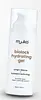
This barrier-repair moisturizer is formulated around Panthenol and Bacillus Ferment to strengthen the skin barrier and hydrate skin.
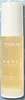
This barrier-repair moisturizer is formulated around Sodium Hyaluronate and Arctium Lappa Root Extract to strengthen the skin barrier and hydrate skin.

What's inside
What's inside
 Key Ingredients
Benefits
Concerns
Ingredients Side-by-side
Water
Skin ConditioningPanthenol
Skin Conditioning




Propanediol
Solvent
Bacillus Ferment
Skin Conditioning

Barosma Betulina Leaf Extract
Perfuming
Butylene Glycol
Humectant
Pyrus Malus Juice
Skin ConditioningPrunus Persica Juice
MoisturisingTriticum Vulgare Seed Extract
BufferingHordeum Vulgare Seed Extract
Skin ConditioningPanax Ginseng Root Extract
Emollient
Glyceryl Caprylate
EmollientGlyceryl Undecylenate
Emollient
Lactococcus Ferment Lysate
Skin Conditioning
Pentylene Glycol
Skin Conditioning
Levulinic Acid
Perfuming
Xanthan Gum
EmulsifyingGlycerin
Humectant
Aphanothece Sacrum Exopolysaccharides
AbsorbentHydroxyacetophenone
Antioxidant
Caprylyl Glycol
Emollient
Dipropylene Glycol
HumectantDipotassium Glycyrrhizate
Humectant
Tetrasodium EDTA
Triethanolamine
BufferingWater, Panthenol, Propanediol, Bacillus Ferment, Barosma Betulina Leaf Extract, Butylene Glycol, Pyrus Malus Juice, Prunus Persica Juice, Triticum Vulgare Seed Extract, Hordeum Vulgare Seed Extract, Panax Ginseng Root Extract, Glyceryl Caprylate, Glyceryl Undecylenate, Lactococcus Ferment Lysate, Pentylene Glycol, Levulinic Acid, Xanthan Gum, Glycerin, Aphanothece Sacrum Exopolysaccharides, Hydroxyacetophenone, Caprylyl Glycol, Dipropylene Glycol, Dipotassium Glycyrrhizate, Tetrasodium EDTA, Triethanolamine
Water
Skin ConditioningMel Extract
MoisturisingSodium Hyaluronate
Humectant

Arctium Lappa Root Extract
Skin Conditioning
Glycerin
Humectant
Sorbitol
Humectant
Polyquaternium-39
Sodium Lactate
Buffering
Sodium PCA
Humectant
Maltose
MaskingFructose
Humectant
Trehalose
Humectant
Urea
Buffering

Allantoin
Skin Conditioning
Carbomer
Emulsion StabilisingTriethanolamine
BufferingImidazolidinyl Urea
Preservative


Pentylene Glycol
Skin Conditioning
Dipropylene Glycol
HumectantSodium Chloride
MaskingIngredients Explained
These ingredients are found in both products.
Ingredients higher up in an ingredient list are typically present in a larger amount.
Dipropylene Glycol is a synthetically created humectant, stabilizer, and solvent.
This ingredient helps:
Dipropylene glycol is technically an alcohol, but it belongs to the glycol family (often considered part of the ‘good’ alcohols). This means it is hydrating and gentle on skin unlike drying solvent alcohols like denatured alcohol.
As a masking agent, Dipropylene Glycol can be used to cover the smell of other ingredients. However, it does not have a scent.
Studies show Dipropylene Glycol is considered safe to use in skincare.
Learn more about Dipropylene GlycolGlycerin (or glycerol) is a compound naturally found in your skin. It's a powerhouse humectant that pulls water into the stratum corneum.
Topically, glycerin does several things at once:
Your skin makes glycerin on its own (mostly from sebaceous oil breakdown) and shuttles it to your outermost layer of skin, or your epidermis, via aquaporin-3.
Aquaporin-3 is a transporter that is essential for normal skin hydration, elasticity, and repair. Interestingly, mice lacking in AQP3 have dry and less elastic skin that can be fully corrected with glycerin.
This ingredient is non-irritating, plays well with almost every ingredient, and works across all skin types. Typical use is anywhere between 3-10% but can go up to 79% in some leave-on products.
Just know very high concentrations (>40%) can feel tacky in low humidity.
Glycerin is the name for this ingredient in American English. British English uses Glycerol/Glycerine.
Learn more about GlycerinPentylene Glycol (1,2-pentanediol) is a multitasking little diol with three main roles in a formula:
Research on alkanediols (the family pentylene glycol belongs to) show they work by disrupting microbial cell membranes. This disruption helps the primary preservative system in a product work more effectively at lower doses.
On the safety side, the Cosmetic Ingredient Review Expert Panel has concluded this ingredient to be safe as used in current cosmetic practices + concentrations.
Typical use levels in a formula run about 1-5%.
Learn more about Pentylene GlycolTriethanolamine (TEA) is an emulsifier and pH adjuster. It is created using ethylene oxide and ammonia. This gives Triethanolamine a nitrogen core and a similar scent to ammonia.
As an emulsifier, it prevents ingredients from separating and enhances texture by adding volume to a product.
PH adjusters are common in cosmetic products. The pH of a product can affect the effectiveness of other ingredients. A product with a high pH may also irritate the skin.
If you are looking for the tea leaf ingredient, click here.
Learn more about TriethanolamineWater. It's the most common cosmetic ingredient of all. You'll usually see it at the top of ingredient lists, meaning that it makes up the largest part of the product.
So why is it so popular? Water most often acts as a solvent - this means that it helps dissolve other ingredients into the formulation.
You'll also recognize water as that liquid we all need to stay alive. If you see this, drink a glass of water. Remember to stay hydrated!
Learn more about Water


