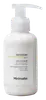
This mild cream cleanser is made to cleanse while calming and soothing your skin.
This mild cream cleanser is made to cleanse while respecting your skin barrier.

What's inside
What's inside
 Key Ingredients
No key ingredients
Benefits
Concerns
Ingredients Side-by-side
Water
Skin ConditioningGlycerin
Humectant


Butylene Glycol
Humectant
Avena Sativa Kernel Extract
Abrasive



Cetyl Alcohol
Emollient



Sodium Lauroyl Oat Amino Acids
CleansingStearyl Alcohol
Emollient
Methyl Gluceth-20
Humectant
Coco-Glucoside
Cleansing
Panthenol
Skin Conditioning
Glyceryl Oleate
Emollient

Sodium Hyaluronate
Humectant

Bisabolol
Antioxidant
Tocopherol
Antioxidant


Pentylene Glycol
Skin Conditioning
Hydrogenated Vegetable Glycerides Citrate
EmollientLactic Acid
Buffering





Citric Acid
Buffering
Phenoxyethanol
Preservative
Tetrasodium EDTA
Ethylhexylglycerin
Skin ConditioningSodium Cocoyl Isethionate
Cleansing
Trisodium Ethylenediamine Disuccinate
Water, Glycerin, Butylene Glycol, Avena Sativa Kernel Extract, Cetyl Alcohol, Sodium Lauroyl Oat Amino Acids, Stearyl Alcohol, Methyl Gluceth-20, Coco-Glucoside, Panthenol, Glyceryl Oleate, Sodium Hyaluronate, Bisabolol, Tocopherol, Pentylene Glycol, Hydrogenated Vegetable Glycerides Citrate, Lactic Acid, Citric Acid, Phenoxyethanol, Tetrasodium EDTA, Ethylhexylglycerin, Sodium Cocoyl Isethionate, Trisodium Ethylenediamine Disuccinate
Reviews
Ingredients Explained
These ingredients are found in both products.
Ingredients higher up in an ingredient list are typically present in a larger amount.
Butylene Glycol (or BG) is used within cosmetic products for a few different reasons:
Overall, Butylene Glycol is a safe and well-rounded ingredient that works well with other ingredients.
Though this ingredient works well with most skin types, some people with sensitive skin may experience a reaction such as allergic rashes, closed comedones, or itchiness.
Learn more about Butylene GlycolCetyl Alcohol is a fatty alcohol. Fatty Alcohols are most often used as an emollient or to thicken a product.
Its main roles are:
Though it has "alcohol" in the name, it is not related to denatured alcohol or ethyl alcohol.
The FDA allows products labeled "alcohol-free" to have fatty alcohols.
This ingredient may not be fungal acne safe. It is a primary fatty alcohol with a chain length above 12 carbons. A study from 2019 show Malassezia can feed on fatty alcohols in this range, so it may trigger fungal acne in those prone to it.
Learn more about Cetyl AlcoholEthylhexylglycerin is created from glycerin. It is a multitasker ingredient that:
The CIR Expert Panel found minimal skin absorption or sensitization of any kind in a safety assessment. Though this ingredient is considered well-tolerated, a small number of cases of allergic dermatitis have been published since 2002. Just be sure to patch test if you are unsure.
Industry-reported use ranges from 8% in rinse-off products and 2% in leave-on formulations.
Learn more about EthylhexylglycerinSodium cocoyl isethionate is a natural ingredient from coconut oil. It is an ultra gentle cleanser that gives a nice foam without drying the skin or impacting the skin barrier.
The amount of foam created depends on the amount of sodium cocoyl isethionate used in the product.
This ingredient also helps improve the spreadability of a product.
This ingredient hasn’t been shown in studies to feed fungal acne yeast.
Learn more about Sodium Cocoyl IsethionateStearyl Alcohol is a type of fatty alcohol from stearic acid. It is a white, waxy compound used to emulsify ingredients used as an emollient or to thicken a product.
Emollients help soothe and hydrate the skin by trapping moisture.
Fatty alcohols are usually derived from natural fats and oils and therefore do not have the same drying or irritating effect as solvent (ethanol) alcohols.
The FDA allows products labeled "alcohol-free" to have fatty alcohols.
This ingredient may not be fungal acne safe. It is a primary fatty alcohol with a chain length above 12 carbons. A study from 2019 show Malassezia can feed on fatty alcohols in this range, so it may trigger fungal acne in those prone to it.
Learn more about Stearyl AlcoholWater. It's the most common cosmetic ingredient of all. You'll usually see it at the top of ingredient lists, meaning that it makes up the largest part of the product.
So why is it so popular? Water most often acts as a solvent - this means that it helps dissolve other ingredients into the formulation.
You'll also recognize water as that liquid we all need to stay alive. If you see this, drink a glass of water. Remember to stay hydrated!
Learn more about Water

