
What's inside
What's inside
 Key Ingredients
Benefits
Concerns
Ingredients Side-by-side
Water
Skin Conditioning1,2-Hexanediol
Skin Conditioning
Mandelic Acid
Antimicrobial









Triethyl Citrate
Masking
Dimethyl Isosorbide
SolventPropanediol
Solvent
Glycolic Acid
Buffering
Ethoxydiglycol
HumectantHydrolyzed Wheat Protein
Skin ConditioningSalicylic Acid
Masking



2-Methyl 5-Cyclohexylpentanol
Skin ConditioningDecylene Glycol
Skin ConditioningSodium PCA
Humectant
Pentylene Glycol
Skin Conditioning
Nonapeptide-1
Skin Conditioning
Hydroxyethylcellulose
Emulsion StabilisingSodium Hydroxide
BufferingPhenoxyethanol
Preservative
Glycyrrhiza Glabra Root Extract
Bleaching
Ethylhexylglycerin
Skin ConditioningTrisodium Ethylenediamine Disuccinate
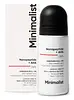
Water, 1,2-Hexanediol, Mandelic Acid, Triethyl Citrate, Dimethyl Isosorbide, Propanediol, Glycolic Acid, Ethoxydiglycol, Hydrolyzed Wheat Protein, Salicylic Acid, 2-Methyl 5-Cyclohexylpentanol, Decylene Glycol, Sodium PCA, Pentylene Glycol, Nonapeptide-1, Hydroxyethylcellulose, Sodium Hydroxide, Phenoxyethanol, Glycyrrhiza Glabra Root Extract, Ethylhexylglycerin, Trisodium Ethylenediamine Disuccinate
Water
Skin ConditioningAvena Sativa Kernel Extract
Abrasive
Tranexamic Acid
Astringent
Dimethyl Isosorbide
SolventMandelic Acid
Antimicrobial
Ethoxydiglycol
HumectantPentylene Glycol
Skin Conditioning
Methylpropanediol
SolventAcetyl Glucosamine
Skin Conditioning
Hydroxyphenoxy Propionic Acid
Skin ConditioningSodium Hyaluronate
Humectant
Salicylic Acid
Masking
Xanthan Gum
EmulsifyingLecithin
Emollient
Phenoxyethanol
Preservative
Sclerotium Gum
Emulsion StabilisingPullulan
Ethylhexylglycerin
Skin ConditioningCurcuma Longa Root Extract
Masking
Trisodium Ethylenediamine Disuccinate
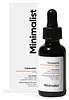
Water, Avena Sativa Kernel Extract, Tranexamic Acid, Dimethyl Isosorbide, Mandelic Acid, Ethoxydiglycol, Pentylene Glycol, Methylpropanediol, Acetyl Glucosamine, Hydroxyphenoxy Propionic Acid, Sodium Hyaluronate, Salicylic Acid, Xanthan Gum, Lecithin, Phenoxyethanol, Sclerotium Gum, Pullulan, Ethylhexylglycerin, Curcuma Longa Root Extract, Trisodium Ethylenediamine Disuccinate
Reviews
Ingredients Explained
These ingredients are found in both products.
Ingredients higher up in an ingredient list are typically present in a larger amount.
Dimethyl Isosorbide is a low-irritation solvent that helps deliver actives into your skin. It is created from glucose.
Research shows how well this ingredient works depends on the active and formulation rather than the concentration alone. This means adding more Dimethyl Isosorbide does not guarantee better penetration of ingredients into the skin.
Ethoxydiglycol is a synthetic solvent.
Solvents are used to keep ingredients together in a product. They can help dissolve ingredients to stable bases or help evenly distribute ingredients throughout the product.
Ethoxydiglycol also helps deliver other key ingredients into the skin.
Learn more about EthoxydiglycolEthylhexylglycerin is created from glycerin. It is a multitasker ingredient that:
The CIR Expert Panel found minimal skin absorption or sensitization of any kind in a safety assessment. Though this ingredient is considered well-tolerated, a small number of cases of allergic dermatitis have been published since 2002. Just be sure to patch test if you are unsure.
Industry-reported use ranges from 8% in rinse-off products and 2% in leave-on formulations.
Learn more about EthylhexylglycerinMandelic Acid is an alpha hydroxy acid (AHA).
Like other AHAs, it helps exfoliate the surface of the skin by breaking down the bonds that hold dead skin cells together. This helps reveal smoother and brighter skin underneath.
Mandelic acid helps with:
Due to it having a larger molecular size than glycolic acid, mandelic acid is able to penetrate the skin more slowly and evenly. This makes it gentler and less irritating, making it a great option for sensitive or beginner skin.
Despite being milder, mandelic acid is still an effective exfoliant that improves skin texture and tone over time.
What makes mandelic acid stand out from other AHAs? It has antibacterial and antioxidant properties.
These traits make it a great option for acne-prone or problem skin by reducing active breakouts and fading post-acne marks. Studies show that mandelic acid (especially when combined with salicylic acid) can significantly reduce pimples and hyperpigmentation while causing fewer side effects than stronger acids.
Mandelic acid is effective in concentrations of 5% and up with an ideal pH range of 3-4 for at-home use.
Like other AHAs, it’s important to wear sunscreen daily to protect your newly exfoliated skin.
However, unlike glycolic acid, mandelic acid is light-sensitive. Be sure your mandelic acid is packaged in opaque containers to ensure it stays stable and effective.
In short, mandelic acid is a gentle yet powerful AHA that exfoliates, brightens, and helps clarify skin while keeping irritation low. Its antibacterial action makes it especially beneficial for those with acne-prone, sensitive, or uneven skin, offering smoother, clearer, and more even-toned results over time.
Read more about some other popular AHA's here:
Learn more about Mandelic AcidPentylene glycol is typically used within a product to thicken it. It also adds a smooth, soft, and moisturizing feel to the product. It is naturally found in plants such as sugar beets.
The hydrophilic trait of Pentylene Glycol makes it a humectant. As a humectant, Pentylene Glycol helps draw moisture from the air to your skin. This can help keep your skin hydrated.
This property also makes Pentylene Glycol a great texture enhancer. It can also help thicken or stabilize a product.
Pentylene Glycol also acts as a mild preservative and helps to keep a product microbe-free.
Some people may experience mild eye and skin irritation from Pentylene Glycol. We always recommend speaking with a professional about using this ingredient in your routine.
Pentylene Glycol has a low molecular weight and is part of the 1,2-glycol family.
Learn more about Pentylene GlycolPhenoxyethanol is a preservative that has germicide, antimicrobial, and aromatic properties. Studies show that phenoxyethanol can prevent microbial growth. By itself, it has a scent that is similar to that of a rose.
It's often used in formulations along with Caprylyl Glycol to preserve the shelf life of products.
Salicylic Acid (also known as beta hydroxy acid or BHA) is a well-known ingredient for treating skin that struggles with acne and clogged pores. It exfoliates both the skin's surface and deep within the pores to help clear out buildup, control oil, and reduce inflammation.
Unlike AHAs (alpha hydroxy acids), salicylic acid is oil-soluble. This allows it to penetrate into pores which makes it especially effective for treating blackheads and preventing future breakouts.
Salicylic acid is also known for its soothing properties. It has a similar structure to aspirin and can calm inflamed or irritated skin, making it a good option for acne-prone skin that is also sensitive.
Concentrations of 0.5-2% are recognized by the U.S. FDA as an over-the-counter topical acne product.
It can cause irritation and/or dryness if one's skin already has a compromised moisture barrier, so it's best to focus on repairing that before introducing this ingredient into your routine.
While salicylic acid does not increase sun sensitivity, it’s still important to wear sunscreen daily to protect your skin.
If you are looking for the ingredient called BHA or Butylated Hydroxyanisole, click here.
Learn more about Salicylic AcidTrisodium Ethylenediamine Disuccinate is used to help stabilize a product.
It is a chelating agent, meaning it helps prevent metal ions from binding to other ingredients. This prevents unwanted reactions in products. Metal ions can come into a product via the water ingredient. They are found in trace amounts and are not known to be harmful.
Water. It's the most common cosmetic ingredient of all. You'll usually see it at the top of ingredient lists, meaning that it makes up the largest part of the product.
So why is it so popular? Water most often acts as a solvent - this means that it helps dissolve other ingredients into the formulation.
You'll also recognize water as that liquid we all need to stay alive. If you see this, drink a glass of water. Remember to stay hydrated!
Learn more about Water
