

What's inside
What's inside
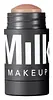 Key Ingredients
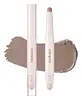
Benefits
No benefits
Concerns
Ingredients Side-by-side
Ricinus Communis Seed Oil
Masking




C12-15 Alkyl Benzoate
AntimicrobialHelianthus Annuus Seed Oil
Emollient
Helianthus Annuus Seed Wax
Skin Conditioning
Coconut Alkanes
Emollient


Silica
Abrasive


Euphorbia Cerifera Cera
Astringent
Kaolin
Abrasive
Mangifera Indica Seed Butter
Skin Conditioning
Citrus Aurantium Dulcis Peel Wax
Skin ConditioningPrunus Armeniaca Kernel Oil
Masking
Thymus Vulgaris Extract
Perfuming
Tocopheryl Acetate
Antioxidant


Hydrogenated Vegetable Oil
Emollient
Coco-Caprylate/Caprate
Emollient
Bis-Stearyl Dimethicone
Emollient
Sorbitan Tristearate
EmulsifyingIsopropyl Titanium Triisostearate
Emollient
Parfum
Masking

CI 77891
Cosmetic ColorantCI 77491
Cosmetic ColorantCI 77492
Cosmetic ColorantCI 77499
Cosmetic ColorantRicinus Communis Seed Oil, C12-15 Alkyl Benzoate, Helianthus Annuus Seed Oil, Helianthus Annuus Seed Wax, Coconut Alkanes, Silica, Euphorbia Cerifera Cera, Kaolin, Mangifera Indica Seed Butter, Citrus Aurantium Dulcis Peel Wax, Prunus Armeniaca Kernel Oil, Thymus Vulgaris Extract, Tocopheryl Acetate, Hydrogenated Vegetable Oil, Coco-Caprylate/Caprate, Bis-Stearyl Dimethicone, Sorbitan Tristearate, Isopropyl Titanium Triisostearate, Parfum, CI 77891, CI 77491, CI 77492, CI 77499


Reviews
Alternatives
Ingredients Explained
These ingredients are found in both products.
Ingredients higher up in an ingredient list are typically present in a larger amount.
Ci 77491 is also hydrated iron III oxide. It's sole purpose is to give a red/pink hue to products.
Iron III oxides are classified as inorganic chemicals for coloring.
Synthetically created Ci 77491 is considered safer than those naturally found. This is because the synthetically created version may contain less impurities. Iron oxides are generally non-toxic and non-allergenic.
Learn more about CI 77491CI 77492 is also hydrated iron III oxide. It's sole purpose is to give a yellow hue to products.
Iron III oxides are classified as inorganic chemicals for coloring.
Synthetically created CI 77492 is considered safer than those naturally found. This is because the synthetically created version may contain less impurities. Iron oxides are generally non-toxic and non-allergenic.
Learn more about CI 77492Ci 77499 is also hydrated iron III oxide. It is created from mixing red and black iron oxides. This helps give shades of darkness to a product.
Iron III oxides are classified as inorganic chemicals for coloring.
Ci 77891 is a white pigment from Titanium dioxide. It is naturally found in minerals such as rutile and ilmenite.
It's main function is to add a white color to cosmetics. It can also be mixed with other colors to create different shades.
Ci 77891 is commonly found in sunscreens due to its ability to block UV rays.
Learn more about CI 77891This ingredient is an synthetic emollient, emulsifier, and used as a surface treatment for pigment particles (like iron oxides or titanium dioxide).
The “triisostearate” part of this ingredient is an ester derived from isostearic acid, a long-chain fatty acid.
It "wraps" these ingredients in a form of slippery jacket so they disperse more evenly in oils, glide better on skin, and stick longer without smudging.
Human repeat insult patch tests on foundations containing this ingredient found no sensitization concerns.
Since isostearic acid is a C18 fatty acid, it falls within the carbon chain length that Malassezia can potentially metabolize. This is why this ingredient may not be fungal acne safe.
Learn more about Isopropyl Titanium Triisostearate

