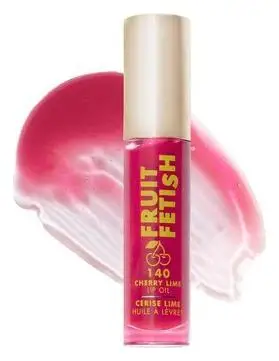
What's inside
What's inside
 Key Ingredients
Benefits
Concerns
Ingredients Side-by-side
Hydrogenated Polyisobutene
EmollientHelianthus Annuus Hybrid Oil
Emollient


Polybutene
Ethylene/Propylene/Styrene Copolymer
Corylus Avellana Seed Oil
Emollient
Caprylic/Capric Triglyceride
Masking


Butylene/Ethylene/Styrene Copolymer
Bis-Diglyceryl Polyacyladipate-2
Emollient
Sodium Saccharin
MaskingDiethylhexyl Syringylidenemalonate
Skin Protecting
Glycine Soja Oil
Emollient




Tocopheryl Acetate
Antioxidant


Jasminum Officinale Flower Extract
Masking


Paeonia Officinalis Flower Extract
TonicPrunus Serrulata Flower Extract
Skin ConditioningCitrus Aurantium Amara Flower Extract
RefreshingLavandula Angustifolia Flower Extract
Cleansing
Rosa Damascena Flower Oil
Masking
Tocopherol
Antioxidant

Helianthus Annuus Seed Oil
Emollient
Sambucus Nigra Flower Extract
RefreshingCitrus Aurantifolia Oil
Cleansing
Simmondsia Chinensis Seed Oil
Emollient
Cymbopogon Citratus Leaf Oil
Masking
Prunus Cerasus Fruit Extract
Antioxidant
Mangifera Indica Fruit Extract
Skin ConditioningLitchi Chinensis Pericarp Extract
Skin ConditioningAverrhoa Carambola Fruit Extract
Skin ConditioningPunica Granatum Bark Extract
MaskingLycium Chinense Leaf Extract
Skin ConditioningBrassica Alba Seed Extract
Skin ConditioningCucurbita Pepo Seed Extract
Skin ConditioningCamellia Sinensis Leaf Extract
Antimicrobial

Vanilla Planifolia Seed Powder
Abrasive
Rubus Villosus Leaf Extract
Skin ConditioningZingiber Officinale Root Extract
Masking
Glycerin
Humectant
Water
Skin ConditioningAroma

Pentaerythrityl Tetra-Di-T-Butyl Hydroxyhydrocinnamate
Antioxidant
Pentaerythrityl Tetraisostearate
Emollient
Ethylhexylglycerin
Skin ConditioningPhenoxyethanol
Preservative
Aluminum Hydroxide
EmollientCI 77120
Cosmetic ColorantRosin
CI 15850
Cosmetic ColorantCI 42090
Cosmetic ColorantCI 19140
Cosmetic ColorantHydrogenated Polyisobutene, Helianthus Annuus Hybrid Oil, Polybutene, Ethylene/Propylene/Styrene Copolymer, Corylus Avellana Seed Oil, Caprylic/Capric Triglyceride, Butylene/Ethylene/Styrene Copolymer, Bis-Diglyceryl Polyacyladipate-2, Sodium Saccharin, Diethylhexyl Syringylidenemalonate, Glycine Soja Oil, Tocopheryl Acetate, Jasminum Officinale Flower Extract, Paeonia Officinalis Flower Extract, Prunus Serrulata Flower Extract, Citrus Aurantium Amara Flower Extract, Lavandula Angustifolia Flower Extract, Rosa Damascena Flower Oil, Tocopherol, Helianthus Annuus Seed Oil, Sambucus Nigra Flower Extract, Citrus Aurantifolia Oil, Simmondsia Chinensis Seed Oil, Cymbopogon Citratus Leaf Oil, Prunus Cerasus Fruit Extract, Mangifera Indica Fruit Extract, Litchi Chinensis Pericarp Extract, Averrhoa Carambola Fruit Extract, Punica Granatum Bark Extract, Lycium Chinense Leaf Extract, Brassica Alba Seed Extract, Cucurbita Pepo Seed Extract, Camellia Sinensis Leaf Extract, Vanilla Planifolia Seed Powder, Rubus Villosus Leaf Extract, Zingiber Officinale Root Extract, Glycerin, Water, Aroma, Pentaerythrityl Tetra-Di-T-Butyl Hydroxyhydrocinnamate, Pentaerythrityl Tetraisostearate, Ethylhexylglycerin, Phenoxyethanol, Aluminum Hydroxide, CI 77120, Rosin, CI 15850, CI 42090, CI 19140
Polyglyceryl-2 Isostearate/Dimer Dilinoleate Copolymer
EmollientSimmondsia Chinensis Seed Oil
Emollient
Dilinoleic Acid/Butanediol Copolymer
Rosa Rubiginosa Seed Oil
Emollient
Caprylic/Capric Triglyceride
Masking
Polyglyceryl-2 Isostearate/Dimer Dilinoleate Copolymer, Simmondsia Chinensis Seed Oil, Dilinoleic Acid/Butanediol Copolymer, Rosa Rubiginosa Seed Oil, Caprylic/Capric Triglyceride, Corylus Avellana Seed Oil, Diisostearyl Malate, Castor Oil/Ipdi Copolymer, Tocopheryl Acetate, Parfum, Vanillin, CI 15985, CI 17200, CI 15850, CI 45410
Reviews
Ingredients Explained
These ingredients are found in both products.
Ingredients higher up in an ingredient list are typically present in a larger amount.
Caprylic/Capric Triglyceride (aka MCT Oil) is a lightweight emollient, solvent, and texture enhancer. It is considered a skin-softener by helping to prevent moisture loss.
Though it behaves like an oil, it is not technically one due to its chemical composition. One perk of this ingredient is that it is very stable, resistant to oxidation, and unlikely to go rancid.
In practice, that translates to a long shelf life and a consistently elegant skin feel.
While there is an assumption Caprylic Triglyceride can clog pores due to it being derived from coconut oil, there is no research supporting this. Just patch test if you have concerns.
Fractionated coconut oil and MCT Oil are both listed as Caprylic/Capric Triglyceride according to INCI. This is because INCI names are based on the ingredient’s final chemical composition and not its marketing name or source.
This ingredient is treated as the gold standard fungal acne safe oil. Even though it is coconut derived, the problematic lauric acid is stripped out.
This leaves just caprylic (C8) and capric (C10) acid. These chain lengths actually trend antifungal; a 2020 study found caprylic acid was enough to disrupt Malassezia furfur cell membrane, with a caprylic acid derivative damaging membrane structures at concentrations as low as 0.2%.
Learn more about Caprylic/Capric TriglycerideCi 15850 is the pigment color red. It is an azo dye and created synthetically.
Azo dyes need to be thoroughly purified before use. This allows them to be more stable and longer-lasting.
This ingredient is common in foundations, lipsticks, and blushes. This color is described as brown/orangey red.
It has many secondary names such as Red 6 and Red 7. According to a manufacturer, Red 6 usually contains aluminum.
Learn more about CI 15850This ingredient is also called hazelnut oil. It is rich in fatty acids and has emollient properties.
Jojoba oil is one of the most well-studied plant-derived ingredients in cosmetics. It is an emollient with a special structure.
Because it is made up of 97-98% wax esters, it closely mirrors the linear monoesters found in human sebum. This makes it skin compatible, non-greasy, and lightweight.
Unlike other plant oils, jojoba wax doesn't easily penetrate skin. It mostly works in the uppermost layers as an emollient. This just means it forms a light barrier on the skin to help retain moisture.
Formulations with jojoba esters up to 90% reduced transepidermal water loss (TEWL) and increased barrier recovery by 81% (outperforming bisabolol at 47%).
Besides barrier support, the science also suggests jojoba to have anti-inflammatory effects and potential applications for skin infections, aging, and wound healing.
Fun fact: Indigenous cultures have used jojoba as a moisturizer and to help treat burns for centuries.
Fungal acne: The Malassezia yeast is known to metabolize fatty acids in the C11-24 range and jojoba's dominant fatty acid components fall into this range. This ingredient may not be fungal acne safe.
Learn more about Simmondsia Chinensis Seed OilTocopheryl Acetate is a stable, shelf-friendly form of vitamin E.
Formulators love it because plain vitamin E oxidizes quickly once it hits air. This acetate version stays stable and resists going off, helping to extend a product's shelf life.
It's actually inactive on its own and works like a slow-release "storage" form; the enzymes in your skin called esterases gradually convert it into active vitamin E over time.
One in vivo study showed 5% of the acetate in the living layer of the epidermis converted to vitamin E after 5 days of application. This study also found the skin gained protection against UV damage even though the conversion was slow and small.
Once converted, vitamin E acts as a skin's main fat-soluble antioxidant that fights free radicals to protect skin from damage.
Topical vitamin E generally boosts the skin's photoprotection, and it reduced UV-damage in animal models.
This ingredient has some brightening potential but it's more of a prevention ingredient than spot-fader. Cell studies show it can slow down melanin production but it's worth noting that it's not the most powerful brightener out there.
Overall, it has a pretty solid safety profile and has been found to be non-irritating and non-comedogenic. Allergic reactions may happen but stay rare due to how widely the ingredient gets used.
The concentration will vary depending on the formula; industry data shows 0.1% in baby lotions, 3% in lipsticks, and 5% in foot powders. You can also find this ingredient at 100% in a pure vitamin E oil.
Most leave-on skincare keeps it at the lower end, often between 0.5-1%.
Learn more about Tocopheryl Acetate