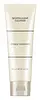
This mild gel cleanser is mild enough to cleanse without leaving skin feeling tight or stripped.
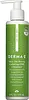
This mild cream cleanser is made to cleanse while calming and soothing your skin.

What's inside
What's inside
 Key Ingredients
Benefits
Concerns
Ingredients Side-by-side
Water
Skin ConditioningDecyl Glucoside
Cleansing
Phytelephas Aequatorialis Seed Powder
Methyl Gluceth-20
Humectant
Glycerin
Humectant

Disodium Cocoamphodiacetate
Cleansing1,2-Hexanediol
Skin Conditioning
Lactose
HumectantMannitol
Humectant
Cellulose
Absorbent
Ascorbyl Palmitate
Antioxidant




Retinyl Palmitate
Skin Conditioning

Tocopheryl Acetate
Antioxidant
Triethyl Citrate
Masking

Mica
Cosmetic ColorantAcrylates/Ammonium Methacrylate Copolymer
Hydroxyacetophenone
Antioxidant
Microcrystalline Cellulose
AbsorbentHydroxypropyl Methylcellulose
Emulsion StabilisingAcrylates/C10-30 Alkyl Acrylate Crosspolymer
Emulsion StabilisingXanthan Gum
EmulsifyingAminomethyl Propanol
BufferingDisodium EDTA
ChelatingParfum
Masking

Talc
Abrasive
Iron Oxides
CI 77891
Cosmetic ColorantWater, Decyl Glucoside, Phytelephas Aequatorialis Seed Powder, Methyl Gluceth-20, Glycerin, Disodium Cocoamphodiacetate, 1,2-Hexanediol, Lactose, Mannitol, Cellulose, Ascorbyl Palmitate, Retinyl Palmitate, Tocopheryl Acetate, Triethyl Citrate, Mica, Acrylates/Ammonium Methacrylate Copolymer, Hydroxyacetophenone, Microcrystalline Cellulose, Hydroxypropyl Methylcellulose, Acrylates/C10-30 Alkyl Acrylate Crosspolymer, Xanthan Gum, Aminomethyl Propanol, Disodium EDTA, Parfum, Talc, Iron Oxides, CI 77891
Water
Skin ConditioningGlycerin
Humectant
Decyl Glucoside
Cleansing
Stearyl Alcohol
Emollient
Aloe Barbadensis Leaf Juice
Skin Conditioning

Cannabidiol - Synthetically Produced
Antioxidant
Cannabis Sativa Seed Oil
Emollient
Cannabis Sativa Flower/Leaf/Stem Extract
Antioxidant
Panthenol
Skin Conditioning
Allantoin
Skin Conditioning
Tocopheryl Acetate
Antioxidant
Ascorbyl Palmitate
Antioxidant
Chamomilla Recutita Flower Extract
Masking
Pinus Pinaster Bark Extract
Antioxidant
Xanthan Gum
EmulsifyingGlyceryl Stearate Citrate
Emollient
Potassium Sorbate
Preservative
Phenoxyethanol
Preservative
Ethylhexylglycerin
Skin ConditioningWater, Glycerin, Decyl Glucoside, Stearyl Alcohol, Aloe Barbadensis Leaf Juice, Cannabidiol - Synthetically Produced, Cannabis Sativa Seed Oil, Cannabis Sativa Flower/Leaf/Stem Extract, Panthenol, Allantoin, Tocopheryl Acetate, Ascorbyl Palmitate, Chamomilla Recutita Flower Extract, Pinus Pinaster Bark Extract, Xanthan Gum, Glyceryl Stearate Citrate, Potassium Sorbate, Phenoxyethanol, Ethylhexylglycerin
Reviews
Ingredients Explained
These ingredients are found in both products.
Ingredients higher up in an ingredient list are typically present in a larger amount.
Ascorbyl Palmitate is a fat-soluble form of vitamin C (Ascorbic Acid) made by combining it with palmitic acid.
It is able to blend easily into creams and oil-based formulas because it dissolves in oils rather than water.
As you may know, regular vitamin C is notorious for breaking down when exposed to sunlight and air. Ascorbyl Palmitate is more stable and degrades at a slower rate.
Research on whether it converts efficiently into active vitamin C once it's applied on your skin is still limited.
Some in-vitro studies suggest it may support collagen production, but it is not considered one of the stronger vitamin C derivatives, like:
Due to the palmitic acid base, this ingredient may not be fungal acne safe. Comedogenic studies have also shown this ingredient to have a rating of 2.
It's also worth keeping in mind that comedogenic and irritancy ratings are tested on individual ingredients, not finished formulas. The final product's formulation, concentration, and other ingredients all play a role in how something actually behaves on your skin.
Learn more about Ascorbyl PalmitateDecyl Glucoside is a plant-derived surfactant and emulsion stabilizer. It is created by reacting glucose with the fatty acids from plants.
Like all surfactants, it works by lowering the surface tension between water and oil. This makes it so that dirt, sebum, and makeup can be lifted off your skin and rinsed away. It also produces a dense and creamy foam.
Because it has a neutral charge, it is compatible with a wide range of ingredients and stays stable across a broad pH range/water hardiness conditions.
Patch testing has shown it to have the lowest irritation potential among common cleansing surfactants (like SLS).
Typical use levels range from 5-20% in rinse-off cleansers.
One thing worth knowing: The American Contact Dermatitis Society named the parent family, alkyl glucosides, "Allergen of the Year" in 2017. The prevalence of allergy is pretty low but be sure to patch test if you've reacted to "gentle" or sulfate-free cleansers before.
This ingredient is fungal acne safe because the fatty alcohol portion of this ingredient is not within the C11-24 chain length that Malassezia can metabolize.
Learn more about Decyl GlucosideGlycerin (or glycerol) is a compound naturally found in your skin. It's a powerhouse humectant that pulls water into the stratum corneum.
Topically, glycerin does several things at once:
Your skin makes glycerin on its own (mostly from sebaceous oil breakdown) and shuttles it to your outermost layer of skin, or your epidermis, via aquaporin-3.
Aquaporin-3 is a transporter that is essential for normal skin hydration, elasticity, and repair. Interestingly, mice lacking in AQP3 have dry and less elastic skin that can be fully corrected with glycerin.
This ingredient is non-irritating, plays well with almost every ingredient, and works across all skin types. Typical use is anywhere between 3-10% but can go up to 79% in some leave-on products.
Just know very high concentrations (>40%) can feel tacky in low humidity.
Glycerin is the name for this ingredient in American English. British English uses Glycerol/Glycerine.
Learn more about GlycerinTocopheryl Acetate is a stable, shelf-friendly form of vitamin E.
Formulators love it because plain vitamin E oxidizes quickly once it hits air. This acetate version stays stable and resists going off, helping to extend a product's shelf life.
It's actually inactive on its own and works like a slow-release "storage" form; the enzymes in your skin called esterases gradually convert it into active vitamin E over time.
One in vivo study showed 5% of the acetate in the living layer of the epidermis converted to vitamin E after 5 days of application. This study also found the skin gained protection against UV damage even though the conversion was slow and small.
Once converted, vitamin E acts as a skin's main fat-soluble antioxidant that fights free radicals to protect skin from damage.
Topical vitamin E generally boosts the skin's photoprotection, and it reduced UV-damage in animal models.
This ingredient has some brightening potential but it's more of a prevention ingredient than spot-fader. Cell studies show it can slow down melanin production but it's worth noting that it's not the most powerful brightener out there.
Overall, it has a pretty solid safety profile and has been found to be non-irritating and non-comedogenic. Allergic reactions may happen but stay rare due to how widely the ingredient gets used.
The concentration will vary depending on the formula; industry data shows 0.1% in baby lotions, 3% in lipsticks, and 5% in foot powders. You can also find this ingredient at 100% in a pure vitamin E oil.
Most leave-on skincare keeps it at the lower end, often between 0.5-1%.
Learn more about Tocopheryl AcetateWater. It's the most common cosmetic ingredient of all. You'll usually see it at the top of ingredient lists, meaning that it makes up the largest part of the product.
So why is it so popular? Water most often acts as a solvent - this means that it helps dissolve other ingredients into the formulation.
You'll also recognize water as that liquid we all need to stay alive. If you see this, drink a glass of water. Remember to stay hydrated!
Learn more about WaterXanthan gum is used as a stabilizer and thickener within cosmetic products. It helps give products a sticky, thick feeling - preventing them from being too runny.
On the technical side of things, xanthan gum is a polysaccharide - a combination consisting of multiple sugar molecules bonded together.
Xanthan gum is a pretty common and great ingredient. It is a natural, non-toxic, non-irritating ingredient that is also commonly used in food products.
Learn more about Xanthan Gum

