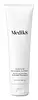
This salicylic acid gel cleanser is formulated around Salicylic Acid to clear breakouts and unclog pores.


What's inside
What's inside
 Key Ingredients
Benefits
Concerns
Ingredients Side-by-side
Water
Skin ConditioningSodium C14-16 Olefin Sulfonate
Cleansing

Sodium Cocoamphoacetate
CleansingCocamidopropyl Hydroxysultaine
Cleansing
Glycerin
Humectant


Mandelic Acid
Antimicrobial








Salicylic Acid
Masking


Citrus Aurantium Dulcis Peel Oil
Masking

Citric Acid
Buffering
Citrus Aurantium Dulcis Fruit Extract
MaskingSodium Hydroxide
BufferingRubus Idaeus Fruit Extract
AstringentYucca Schidigera Root Extract
Skin ConditioningLactic Acid
Buffering
Phenoxyethanol
Preservative
Citrus Grandis Peel Oil
Masking

Maltodextrin
Absorbent
Disodium EDTA
Garcinia Mangostana Peel Extract
Skin ConditioningEthylhexylglycerin
Skin ConditioningCitrus Aurantifolia Oil
Cleansing
Citrus Aurantium Bergamia Fruit Oil
Masking
Citrus Aurantium Amara Peel Oil
Skin Conditioning
Limonene
Perfuming
Linalool
Perfuming
Water, Sodium C14-16 Olefin Sulfonate, Sodium Cocoamphoacetate, Cocamidopropyl Hydroxysultaine, Glycerin, Mandelic Acid, Salicylic Acid, Citrus Aurantium Dulcis Peel Oil, Citric Acid, Citrus Aurantium Dulcis Fruit Extract, Sodium Hydroxide, Rubus Idaeus Fruit Extract, Yucca Schidigera Root Extract, Lactic Acid, Phenoxyethanol, Citrus Grandis Peel Oil, Maltodextrin, Disodium EDTA, Garcinia Mangostana Peel Extract, Ethylhexylglycerin, Citrus Aurantifolia Oil, Citrus Aurantium Bergamia Fruit Oil, Citrus Aurantium Amara Peel Oil, Limonene, Linalool
Water
Skin ConditioningSodium C14-16 Olefin Sulfonate
Cleansing
Sodium Lauroyl Sarcosinate
CleansingButylene Glycol
Humectant
Hydroxyethylcellulose
Emulsion StabilisingLavandula Angustifolia Oil
Masking
Quillaja Saponaria Bark Extract
CleansingCitrus Limon Peel Oil
Masking
Melissa Officinalis Leaf Extract
Skin ConditioningCitrus Aurantium Bergamia Fruit Oil
Masking
Cymbopogon Nardus Oil
Masking
Glycerin
Humectant
Cocamidopropyl Betaine
Cleansing
Sodium Cocoamphoacetate
CleansingHydroxyacetophenone
Antioxidant
Cocamidopropyl Hydroxysultaine
Cleansing
1,2-Hexanediol
Skin Conditioning
Caprylyl Glycol
Emollient
Propanediol
Solvent
Citric Acid
Buffering
O-Cymen-5-Ol
Antimicrobial
Disodium EDTA
PPG-5-Ceteth-20
EmulsifyingSodium Hydroxide
BufferingSodium Benzoate
Masking
Water, Sodium C14-16 Olefin Sulfonate, Sodium Lauroyl Sarcosinate, Butylene Glycol, Hydroxyethylcellulose, Lavandula Angustifolia Oil, Quillaja Saponaria Bark Extract, Citrus Limon Peel Oil, Melissa Officinalis Leaf Extract, Citrus Aurantium Bergamia Fruit Oil, Cymbopogon Nardus Oil, Glycerin, Cocamidopropyl Betaine, Sodium Cocoamphoacetate, Hydroxyacetophenone, Cocamidopropyl Hydroxysultaine, 1,2-Hexanediol, Caprylyl Glycol, Propanediol, Citric Acid, O-Cymen-5-Ol, Disodium EDTA, PPG-5-Ceteth-20, Sodium Hydroxide, Sodium Benzoate
Reviews
Ingredients Explained
These ingredients are found in both products.
Ingredients higher up in an ingredient list are typically present in a larger amount.
Citric Acid is an alpha hydroxy acid (AHA) naturally found in citrus fruits like oranges, lemons, and limes.
Like other AHAs, citric acid can exfoliate skin by breaking down the bonds that hold dead skin cells together. This helps reveal smoother and brighter skin underneath.
However, this exfoliating effect only happens at high concentrations (20%) which can be hard to find in cosmetic products.
Due to this, citric acid is usually included in small amounts as a pH adjuster. This helps keep products slightly more acidic and compatible with skin's natural pH.
In skincare formulas, citric acid can:
While it can provide some skin benefits, research shows lactic acid and glycolic acid are generally more effective and less irritating exfoliants.
Most citric acid used in skincare today is made by fermenting sugars (usually from molasses). This synthetic version is identical to the natural citrus form but easier to stabilize and use in formulations.
Rosacea skin has a lower threshold for acids generally, with 62.5% of rosacea subjects in one study reacting to lactic acid in a sting test. This is why we mark citric acid as a potential rosacea trigger.
However, this ingredient shows up as a pH adjuster or chelator at roughly 0.1-1% in many products. These low levels are unlikely to be an issue for rosacea skin and becomes a potential trigger at exfoliating concentrations (20%). Because everybody's skin is unique, we recommend a patch test if you are unsure.
Learn more about Citric AcidCitrus Aurantium Bergamia Fruit Oil is the oil from the bergamot orange and is primarily used as a fragrance. It has a "fresh" and "bright orange" scent.
The main aroma compounds found in this ingredient are limonene (~27-52%), linalool (~2-22%), and linalyl acetate (~27-40%). These are known EU fragrance allergens.
The term 'fragrance' is not regulated in many countries. In many cases, it is up to the brand to define this term. For instance, many brands choose to label themselves as "fragrance-free" because they are not using synthetic fragrances. However, their products may still contain ingredients such as essential oils that are considered a fragrance.
When used topically, Citrus Aurantium Bergamia Fruit Oil is a photosensitizer due to the furanocoumarin content. Furanocoumarins absorb UV-A and cause phytophotodermatitis; this can look like redness, blistering, and lasting brown pigmentation on sun-exposed skin.
Due to this, this ingredient is capped at 0.4% in leave-on products applied to sun exposed skin.
Many modern formulas used a "furanocoumarin-free" version that sidesteps the phototoxicity issue, but still contains the fragrance allergens.
Learn more about Citrus Aurantium Bergamia Fruit OilCocamidopropyl Hydroxysultaine is a synthetic cleansing agent, though it is derived from coconut oil.
It is used to enhance the texture of products by boosting lather and thickening the texture. As a cleanser, Cocamidopropyl Hydroxysultaine is mild.
Disodium EDTA is a chelating agent. It grabs onto and deactivates metal ions that sneak into your products from water, packaging, or air.
This ingredient mainly works behind the scenes and helps with:
On top of that, this ingredient can counteract the effects of hard water by binding to the minerals in it.
One thing worth knowing is that Disodium EDTA has been shown to be a mild penetration enhancer. It can help other ingredients absorb into skin more effectively which can be a double-edged sword (great for actives, but can also make the active too strong if you have sensitive skin).
Clinical patch testing showed no significant skin irritation at typical use concentrations and minimal dermal absorption.
You'll most likely see this ingredient near the end of an ingredient list. It's typically found in concentrations less than 1%.
Learn more about Disodium EDTAGlycerin (or glycerol) is a compound naturally found in your skin. It's a powerhouse humectant that pulls water into the stratum corneum.
Topically, glycerin does several things at once:
Your skin makes glycerin on its own (mostly from sebaceous oil breakdown) and shuttles it to your outermost layer of skin, or your epidermis, via aquaporin-3.
Aquaporin-3 is a transporter that is essential for normal skin hydration, elasticity, and repair. Interestingly, mice lacking in AQP3 have dry and less elastic skin that can be fully corrected with glycerin.
This ingredient is non-irritating, plays well with almost every ingredient, and works across all skin types. Typical use is anywhere between 3-10% but can go up to 79% in some leave-on products.
Just know very high concentrations (>40%) can feel tacky in low humidity.
Glycerin is the name for this ingredient in American English. British English uses Glycerol/Glycerine.
Learn more about GlycerinSodium C14-16 Olefin Sulfonate is a surfactant that helps water and oil mix so that dirt, sweat, sebum, and sunscreen can rinse away easily. It's not technically a sulfate, but behaves similarly in formulas.
What it does:
Sodium C14-16 Olefin Sulfonate is a strong cleansing surfactant and is much stronger than many mild cleansers. Because it works deeply, it can disrupt the skin's barrier. This can lead to dryness or irritation for those with sensitive skin.
Compared to gentler surfactants, it's effective but more likely to dry or irritate if not balanced with soothing ingredients.
CIR considers sodium α-olefin sulfonates (including C14-16) to be safe for use in rinse-off products when properly formulated. It is poorly absorbed through normal skin but absorption increases if the skin barrier is already damaged.
Learn more about Sodium C14-16 Olefin SulfonateWe don't have a description for Sodium Cocoamphoacetate yet.
Sodium Hydroxide is also known as lye or caustic soda. It is used to adjust the pH of products; many ingredients require a specific pH to be effective.
In small amounts, sodium hydroxide is considered safe to use. However, large amounts may cause chemical burns due to its high alkaline.
Your skin has a natural pH and acid mantle. This acid mantle helps prevent harmful bacteria from breaking through. The acid mantle also helps keep your skin hydrated.
"Alkaline" refers to a high pH level. A low pH level would be considered acidic.
Learn more about Sodium HydroxideWater. It's the most common cosmetic ingredient of all. You'll usually see it at the top of ingredient lists, meaning that it makes up the largest part of the product.
So why is it so popular? Water most often acts as a solvent - this means that it helps dissolve other ingredients into the formulation.
You'll also recognize water as that liquid we all need to stay alive. If you see this, drink a glass of water. Remember to stay hydrated!
Learn more about Water

