
What's inside
What's inside
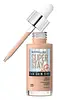 Key Ingredients
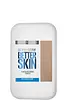
Benefits
Concerns
Ingredients Side-by-side
Water
Skin ConditioningIsododecane
EmollientDimethicone
Emollient

Alcohol Denat.
Antimicrobial




Trimethylsiloxysilicate
Emollient
Butylene Glycol
Humectant

PEG-10 Dimethicone
Skin Conditioning
Synthetic Fluorphlogopite
Isopropyl Lauroyl Sarcosinate
Skin ConditioningDiisopropyl Sebacate
EmollientDisteardimonium Hectorite
StabilisingTin Oxide
Abrasive
Calcium Aluminum Borosilicate
Dipentaerythrityl Tetrahydroxystearate/Tetraisostearate
Skin Conditioning
Silica
Abrasive

Silica Silylate
Emollient
Hdi/Trimethylol Hexyllactone Crosspolymer
Cellulose
Absorbent
Aluminum Hydroxide
EmollientMagnesium Sulfate
Ascorbyl Glucoside
Antioxidant



Disodium Stearoyl Glutamate
CleansingBis-PEG/PPG-14/14 Dimethicone
Emollient
Tocopherol
Antioxidant


Phenoxyethanol
Preservative
Mica
Cosmetic ColorantCI 77007
Cosmetic ColorantCI 77491
Cosmetic ColorantCI 77492
Cosmetic ColorantCI 77499
Cosmetic ColorantCI 77891
Cosmetic ColorantWater, Isododecane, Dimethicone, Alcohol Denat., Trimethylsiloxysilicate, Butylene Glycol, PEG-10 Dimethicone, Synthetic Fluorphlogopite, Isopropyl Lauroyl Sarcosinate, Diisopropyl Sebacate, Disteardimonium Hectorite, Tin Oxide, Calcium Aluminum Borosilicate, Dipentaerythrityl Tetrahydroxystearate/Tetraisostearate, Silica, Silica Silylate, Hdi/Trimethylol Hexyllactone Crosspolymer, Cellulose, Aluminum Hydroxide, Magnesium Sulfate, Ascorbyl Glucoside, Disodium Stearoyl Glutamate, Bis-PEG/PPG-14/14 Dimethicone, Tocopherol, Phenoxyethanol, Mica, CI 77007, CI 77491, CI 77492, CI 77499, CI 77891
Talc
Abrasive
Lauroyl Lysine
Skin Conditioning
Nylon-12

Isononyl Isononanoate
EmollientHydrogenated Polydecene
EmollientMagnesium Stearate
Cosmetic ColorantMethicone
Emollient
Hydrogenated Palm Oil
Emollient
Salicylic Acid
Masking


Caprylyl Glycol
Emollient
Ascorbyl Glucoside
Antioxidant
Calcium Pantothenate
Zinc Gluconate
Skin Conditioning
Manganese Gluconate
Skin ConditioningMagnesium Gluconate
Skin ConditioningCopper PCA
HumectantCI 77891
Cosmetic ColorantCI 77491
Cosmetic ColorantCI 77492
Cosmetic ColorantCI 77499
Cosmetic ColorantTalc, Lauroyl Lysine, Nylon-12, Isononyl Isononanoate, Hydrogenated Polydecene, Magnesium Stearate, Methicone, Hydrogenated Palm Oil, Salicylic Acid, Caprylyl Glycol, Ascorbyl Glucoside, Calcium Pantothenate, Zinc Gluconate, Manganese Gluconate, Magnesium Gluconate, Copper PCA, CI 77891, CI 77491, CI 77492, CI 77499
Reviews
Ingredients Explained
These ingredients are found in both products.
Ingredients higher up in an ingredient list are typically present in a larger amount.
Ascorbyl Glucoside (AA-2G) is one of the most stable vitamin C derivatives out there.
It's made by attaching a glucose molecule to ascorbic acid; this glucose "cap" shields the vitamin C from air, light, heat, and metal ions that normally cause pure ascorbic acid to oxidize.
Once on your skin, the enzyme alpha-glucosidase snips off the glucose and gradually releases active ascorbic acid right where it's needed. Basically, it behaves like a slow-release pro-vitamin C with less of a stinging that high-strength ascorbic acid can cause.
The research supports the classic vitamin C benefits as well. In lab and human studies, AA-2G slowed down the skin's production of melanin (the pigment behind dark spots) and helped shield skin cells against sun damage better than ascorbyl phosphate.
These studies also showed AA-2G released vitamin C over a longer period.
A frequently cited manufacturer trial found that a 2% AA-2G face cream significantly improved wrinkle depth and skin roughness after 45 days.
And in 2009, a clinical trial showed it meaningfully lightened dark patches on the gums compared to a placebo.
There's also collagen-synthesis support (since vitamin C is a required cofactor for that) and an antioxidant effect too.
Typical usage is usually between 0.5-5% and most studies/products land around 2%.
AA-2G performs best when formulated at a mildly acidic pH (~5-7) which is much gentler than the pH that pure vitamin C demands (~2.5-3.5).
Just one thing worth knowing: the in-skin conversation rate is only about 55-60% by weight. So a 5% AA-2G product delivers roughly 2.75-3% of actual active vitamin C. On top of that, skin absorption is relatively low because the ingredient is water-soluble.
Learn more about Ascorbyl GlucosideCi 77491 is also hydrated iron III oxide. It's sole purpose is to give a red/pink hue to products.
Iron III oxides are classified as inorganic chemicals for coloring.
Synthetically created Ci 77491 is considered safer than those naturally found. This is because the synthetically created version may contain less impurities. Iron oxides are generally non-toxic and non-allergenic.
Learn more about CI 77491CI 77492 is also hydrated iron III oxide. It's sole purpose is to give a yellow hue to products.
Iron III oxides are classified as inorganic chemicals for coloring.
Synthetically created CI 77492 is considered safer than those naturally found. This is because the synthetically created version may contain less impurities. Iron oxides are generally non-toxic and non-allergenic.
Learn more about CI 77492Ci 77499 is also hydrated iron III oxide. It is created from mixing red and black iron oxides. This helps give shades of darkness to a product.
Iron III oxides are classified as inorganic chemicals for coloring.
Ci 77891 is a white pigment from Titanium dioxide. It is naturally found in minerals such as rutile and ilmenite.
It's main function is to add a white color to cosmetics. It can also be mixed with other colors to create different shades.
Ci 77891 is commonly found in sunscreens due to its ability to block UV rays.
Learn more about CI 77891

