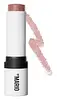
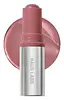
Makeup by Mario Soft Pop Blush Stick Versus Haus Labs By Lady Gaga Color Fuse Glassy Blush Balm Stick

What's inside
What's inside
 Key Ingredients
Benefits
No benefits
Concerns
Ingredients Side-by-side
Diisostearyl Malate
EmollientOctyldodecanol
Emollient
Polyglyceryl-3 Diisostearate
Emulsifying




Polyethylene
Abrasive
Microcrystalline Wax
Emulsion StabilisingDicalcium Phosphate
Abrasive
Mica
Cosmetic ColorantHydrogenated Microcrystalline Wax
Emulsion StabilisingSynthetic Wax
Abrasive
Pentaerythrityl Tetra-Di-T-Butyl Hydroxyhydrocinnamate
Antioxidant
Tin Oxide
Abrasive
CI 77891
Cosmetic ColorantCI 77492
Cosmetic ColorantCI 42090
Cosmetic ColorantCI 15850
Cosmetic ColorantDiisostearyl Malate
EmollientOctyldodecanol
Emollient
Polyglyceryl-2 Triisostearate
Emulsifying
Synthetic Wax
Abrasive
Caprylic/Capric Triglyceride
Masking


Propylene Glycol Dibenzoate
Skin ConditioningPolybutene
Bis-Behenyl/Isostearyl/Phytosteryl Dimer Dilinoleyl Dimer Dilinoleate
EmollientEuphorbia Cerifera Cera
Astringent
Polyglyceryl-6 Polyricinoleate
Emulsifying
Coco-Caprylate/Caprate
Emollient
Arnica Montana Flower Extract
Masking
Squalane
Emollient
Pseudozyma Epicola/Camellia Sinensis Seed Oil Ferment Extract Filtrate
Humectant
Pseudozyma Epicola/Apricot Kernel Oil/Olive Fruit Oil/Sweet Almond Oil/Sunflower Seed Oil/Licorice Root Extract Ferment Extract Filtrate
Pseudozyma Epicola/Apricot Kernel Oil/Olive Fruit Oil/Sunflower Seed Oil/Sweet Almond Oil/(Angelica Gigas/Lithospermum Erythrorhizon) Root Extract Ferment Extract Filtrate
Pseudozyma Epicola/Sunflower Seed Oil Ferment Extract Filtrate
Emulsion Stabilising
Tocopheryl Acetate
Antioxidant

Lycium Barbarum Fruit Extract
Astringent
Copernicia Cerifera Cera
Emollient
Butyrospermum Parkii Butter
Skin Conditioning
Caprylic/Capric/Succinic Triglyceride
EmollientCastor Oil/Ipdi Copolymer
Propylene Carbonate
SolventSorbitan Sesquioleate
Emulsifying
Stearalkonium Hectorite
Gel Forming1,2-Hexanediol
Skin Conditioning
CI 77492
Cosmetic ColorantCI 77891
Cosmetic ColorantCI 15985
Cosmetic ColorantCI 15850
Cosmetic ColorantCI 42090
Cosmetic ColorantDiisostearyl Malate, Octyldodecanol, Polyglyceryl-2 Triisostearate, Synthetic Wax, Caprylic/Capric Triglyceride, Propylene Glycol Dibenzoate, Polybutene, Bis-Behenyl/Isostearyl/Phytosteryl Dimer Dilinoleyl Dimer Dilinoleate, Euphorbia Cerifera Cera, Polyglyceryl-6 Polyricinoleate, Coco-Caprylate/Caprate, Arnica Montana Flower Extract, Squalane, Pseudozyma Epicola/Camellia Sinensis Seed Oil Ferment Extract Filtrate, Pseudozyma Epicola/Apricot Kernel Oil/Olive Fruit Oil/Sweet Almond Oil/Sunflower Seed Oil/Licorice Root Extract Ferment Extract Filtrate, Pseudozyma Epicola/Apricot Kernel Oil/Olive Fruit Oil/Sunflower Seed Oil/Sweet Almond Oil/(Angelica Gigas/Lithospermum Erythrorhizon) Root Extract Ferment Extract Filtrate, Pseudozyma Epicola/Sunflower Seed Oil Ferment Extract Filtrate, Tocopheryl Acetate, Lycium Barbarum Fruit Extract, Copernicia Cerifera Cera, Butyrospermum Parkii Butter, Caprylic/Capric/Succinic Triglyceride, Castor Oil/Ipdi Copolymer, Propylene Carbonate, Sorbitan Sesquioleate, Stearalkonium Hectorite, 1,2-Hexanediol, CI 77492, CI 77891, CI 15985, CI 15850, CI 42090
Reviews
Ingredients Explained
These ingredients are found in both products.
Ingredients higher up in an ingredient list are typically present in a larger amount.
Ci 15850 is the pigment color red. It is an azo dye and created synthetically.
Azo dyes need to be thoroughly purified before use. This allows them to be more stable and longer-lasting.
This ingredient is common in foundations, lipsticks, and blushes. This color is described as brown/orangey red.
It has many secondary names such as Red 6 and Red 7. According to a manufacturer, Red 6 usually contains aluminum.
Learn more about CI 15850Ci 42090 is a synthetic dye created from petroleum. It is used to give a bright blue color to cosmetics, medicine, and food.
CI 77492 is also hydrated iron III oxide. It's sole purpose is to give a yellow hue to products.
Iron III oxides are classified as inorganic chemicals for coloring.
Synthetically created CI 77492 is considered safer than those naturally found. This is because the synthetically created version may contain less impurities. Iron oxides are generally non-toxic and non-allergenic.
Learn more about CI 77492Ci 77891 is a white pigment from Titanium dioxide. It is naturally found in minerals such as rutile and ilmenite.
It's main function is to add a white color to cosmetics. It can also be mixed with other colors to create different shades.
Ci 77891 is commonly found in sunscreens due to its ability to block UV rays.
Learn more about CI 77891Diisostearyl Malate is an emollient and most often used in lip products. It comes from isostearyl alcohol, a fatty acid, and malic acid, an AHA.
As an emollient, Diisostearyl Malate helps create a thin film on your skin to trap moisture in. This helps keep your skin soft and smooth.
Octyldodecanol is a fatty alcohol sourced from plant oils like coconut or palm (or made synthetically).
It is:
You'll likely see this in many BHA products because this is the go-to solvent for salicylic acid.
This ingredient is typically used at levels between 2-20%.
Regarding fungal acne:
In 2019, this ingredient was tested against multiple Malassezia species (the yeast that causes fungal acne) and showed no growth.
Synthetic Wax is a manufactured hydrocarbon wax. In formulas, it works as an occlusive emollient that helps reduce water loss and improves the spreadability of products.
Research comparing synthetic wax to traditional mineral-derived products found that formulas containing it perform as well for skin hydration.
It is considered non-comedogenic and vegan-friendly.
This ingredient has a well-established safety record by the CIR Expert Panel for Cosmetic Ingredient Safety.
Synthetic Waxes are straight/branched-chain hydrocarbons with no ester bond or fatty acids. That means there is nothing for the Malassezia yeast to feed on.
Learn more about Synthetic Wax

