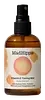
This brightening toner is formulated around Sodium Ascorbyl Phosphate and Camellia Sinensis Leaf Extract to brighten dull-looking skin and calm redness.
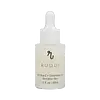
This brightening serum is formulated around Aloe Barbadensis Leaf Juice and Sodium Ascorbyl Phosphate to brighten dull-looking skin and calm redness.


What's inside
What's inside
 Key Ingredients
Benefits
Concerns
No concerns
Ingredients Side-by-side
Water
Skin ConditioningSodium Ascorbyl Phosphate
Antioxidant







Sodium PCA
Humectant


Glycerin
Humectant
Polyglutamic Acid
Skin Conditioning
Camellia Sinensis Leaf Extract
Antimicrobial
Tremella Fuciformis Polysaccharide
Emulsion Stabilising
Ferulic Acid
Antimicrobial
Hesperidin
EmollientVitis Vinifera Seed Extract
Antimicrobial
Ginkgo Biloba Leaf Extract
Skin Conditioning
Punica Granatum Extract
AstringentResveratrol
Antioxidant
Phenethyl Alcohol
MaskingCitrus Aurantifolia Peel Extract
Cleansing
Sorbitan Oleate Decylglucoside Crosspolymer
CleansingCaprylyl Glycol
Emollient
Beta-Glucan
Skin Conditioning
Acetyl Glucosamine
Skin Conditioning
Ethylhexylglycerin
Skin ConditioningPinus Strobus Bark Extract
Skin ConditioningGlycine Soja Sterols
Emollient

Sophora Japonica Fruit Extract
Skin ConditioningSilybum Marianum Fruit Extract
Skin Conditioning
Thioctic Acid
Antioxidant
Water, Sodium Ascorbyl Phosphate, Sodium PCA, Glycerin, Polyglutamic Acid, Camellia Sinensis Leaf Extract, Tremella Fuciformis Polysaccharide, Ferulic Acid, Hesperidin, Vitis Vinifera Seed Extract, Ginkgo Biloba Leaf Extract, Punica Granatum Extract, Resveratrol, Phenethyl Alcohol, Citrus Aurantifolia Peel Extract, Sorbitan Oleate Decylglucoside Crosspolymer, Caprylyl Glycol, Beta-Glucan, Acetyl Glucosamine, Ethylhexylglycerin, Pinus Strobus Bark Extract, Glycine Soja Sterols, Sophora Japonica Fruit Extract, Silybum Marianum Fruit Extract, Thioctic Acid
Water
Skin ConditioningAloe Barbadensis Leaf Juice
Skin Conditioning
Sodium Ascorbyl Phosphate
Antioxidant
Palmitoyl Pentapeptide-4
Skin Conditioning
Sodium Hyaluronate
Humectant
Beta-Glucan
Skin Conditioning
Glycosphingolipids
EmollientChamomilla Recutita Extract
Skin Conditioning
Camellia Sinensis Leaf Extract
Antimicrobial
Olea Europaea Leaf Extract
Perfuming
Carbomer
Emulsion StabilisingArginine
Masking
Caprylyl Glyceryl Ether
CleansingCaprylhydroxamic Acid
ChelatingPropanediol
Solvent
Water, Aloe Barbadensis Leaf Juice, Sodium Ascorbyl Phosphate, Palmitoyl Pentapeptide-4, Sodium Hyaluronate, Beta-Glucan, Glycosphingolipids, Chamomilla Recutita Extract, Camellia Sinensis Leaf Extract, Olea Europaea Leaf Extract, Carbomer, Arginine, Caprylyl Glyceryl Ether, Caprylhydroxamic Acid, Propanediol
Reviews
Ingredients Explained
These ingredients are found in both products.
Ingredients higher up in an ingredient list are typically present in a larger amount.
Beta-Glucan is a soluble polysaccharide (a chain of glucose sugars) sourced from the cells walls of oats, baker's yeast, mushrooms, and seaweed.
It's a rare ingredient that pulls double-duty as a heavy-duty hydrator and skin-soothing repair agent.
On the surface, it acts as a humectant that holds water in place and reduces moisture loss for a plumper, smoother feel, while its anti-inflammatory and antioxidant properties make it a great pick for calming redness or sensitive skin
The more interesting story is underneath:
Despite its large molecular size, oat beta-glucan has been shown to penetrate the epidermis and reach the dermis by slipping between skin cells. Here, it interacts with fibroblasts and macrophages to nudge collagen synthesis and support wound repair.
A small 2005 split-face clinical study of 27 subjects found topical beta-glucan produced measurable reductions in wrinkle depth, height, and roughness after 8 weeks of use.
It is worth noting the trial was small and the penetration testing used frozen, irradiated skin so the anti-aging data is encouraging rather than definitive.
This ingredient gets along with pretty much everything and is typically used around 0.1-1%.
Fungal acne: This ingredient is not a food source for the Malassezia yeast because it is a glucose polysaccharide with no fatty acid or ester component.
Learn more about Beta-GlucanCamellia Sinensis Leaf Extract (tea extract) is one of the most well-researched plant extracts in skincare with an impressive resume.
Black tea, green tea, and oolong tea are all harvested from the Camellia Sinensis plant.
Studies show green tea extract and its catechins (like epigallocatechin gallate (EGCG)) help your skin cells product energy more efficiently and reducing the number of free-radicals that can damage your skin from the inside.
In lab-grown skin models, this translated to younger, healthier, and stronger skin.
There's also good sun protection data; researchers saw less DNA damage and redness on human skin when green tea was applied before UVB exposure. And the more they applied, the better the protection.
Needless to say, this ingredient shouldn't replace your sunscreen. But it is a great supportive ingredient that you can already find in many sunscreens and antioxidant serums.
A 2009 study found a 2% green tea lotion was effective for mild-to-moderate acne thanks to its anti-inflammatory and mild antimicrobial activity.
The quality of the extract matters a lot here:
Good extracts contain 50-90% catechins while lower quality ones are mostly there for marketing. We recommend reaching out to the brand if you have questions about the quality or source of their ingredients.
Human Repeated Insult Patch Testing showed no irritation or sensitization at use concentrations (0.86% in leave-on products and up to 30% as leaf water).
Learn more about Camellia Sinensis Leaf ExtractSodium Ascorbyl Phosphate (SAP) is a water-soluble form of Vitamin C. It is the salt of ascorbic acid.
This ingredient is commonly used in skincare because it's more formulation-stable while still offering the same benefits as pure ascorbic acid. Ascorbic acid is notorious for breaking down when exposed to sunlight and oxygen whereas SAP has been shown to be more stable.
Studies show SAP has anti-acne and antioxidant benefits. One study found 5% of SAP lotion to be an effective ingredient for treating acne vulgaris. This is because research shows that SAP may help control acne by reducing acne-causing bacteria and slowing the oxidation of skin oils caused by UV exposure.
In addition to acne, vitamin C is important for skin structure. Lab studies suggest SAP may support collagen production in skin cells, making it a great ingredient in anti-aging routines.
Vitamin C has many benefits: it helps reduce redness, improve skin texture, fade the appearance of dark spots, and brighten the skin.
Read more about other types of Vitamin C:
Learn more about Sodium Ascorbyl PhosphateWater. It's the most common cosmetic ingredient of all. You'll usually see it at the top of ingredient lists, meaning that it makes up the largest part of the product.
So why is it so popular? Water most often acts as a solvent - this means that it helps dissolve other ingredients into the formulation.
You'll also recognize water as that liquid we all need to stay alive. If you see this, drink a glass of water. Remember to stay hydrated!
Learn more about Water

