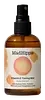
This brightening toner is formulated around Sodium Ascorbyl Phosphate and Camellia Sinensis Leaf Extract to brighten dull-looking skin and calm redness.
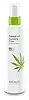
This hydrating toner is formulated around Aloe Barbadensis Leaf Juice and Panthenol to hydrate skin and calm redness.

What's inside
What's inside
 Key Ingredients
Benefits
Concerns
Ingredients Side-by-side
Water
Skin ConditioningSodium Ascorbyl Phosphate
Antioxidant







Sodium PCA
Humectant


Glycerin
Humectant
Polyglutamic Acid
Skin Conditioning
Camellia Sinensis Leaf Extract
Antimicrobial
Tremella Fuciformis Polysaccharide
Emulsion Stabilising
Ferulic Acid
Antimicrobial
Hesperidin
EmollientVitis Vinifera Seed Extract
Antimicrobial
Ginkgo Biloba Leaf Extract
Skin Conditioning
Punica Granatum Extract
AstringentResveratrol
Antioxidant
Phenethyl Alcohol
MaskingCitrus Aurantifolia Peel Extract
Cleansing
Sorbitan Oleate Decylglucoside Crosspolymer
CleansingCaprylyl Glycol
Emollient
Beta-Glucan
Skin Conditioning
Acetyl Glucosamine
Skin Conditioning
Ethylhexylglycerin
Skin ConditioningPinus Strobus Bark Extract
Skin ConditioningGlycine Soja Sterols
Emollient

Sophora Japonica Fruit Extract
Skin ConditioningSilybum Marianum Fruit Extract
Skin Conditioning
Thioctic Acid
Antioxidant
Water, Sodium Ascorbyl Phosphate, Sodium PCA, Glycerin, Polyglutamic Acid, Camellia Sinensis Leaf Extract, Tremella Fuciformis Polysaccharide, Ferulic Acid, Hesperidin, Vitis Vinifera Seed Extract, Ginkgo Biloba Leaf Extract, Punica Granatum Extract, Resveratrol, Phenethyl Alcohol, Citrus Aurantifolia Peel Extract, Sorbitan Oleate Decylglucoside Crosspolymer, Caprylyl Glycol, Beta-Glucan, Acetyl Glucosamine, Ethylhexylglycerin, Pinus Strobus Bark Extract, Glycine Soja Sterols, Sophora Japonica Fruit Extract, Silybum Marianum Fruit Extract, Thioctic Acid
Aloe Barbadensis Leaf Juice
Skin Conditioning
Water
Skin ConditioningGlycerin
Humectant
Panthenol
Skin Conditioning
Sodium PCA
Humectant
Tocopherol
Antioxidant
Sorbitan Oleate Decylglucoside Crosspolymer
CleansingCannabis Sativa Seed Oil
Emollient
Magnesium Ascorbyl Phosphate
Antioxidant
Cannabis Sativa Callus Extract
Antioxidant
Resveratrol
Antioxidant
Allantoin
Skin Conditioning
Phenoxyethanol
Preservative
Ethylhexylglycerin
Skin ConditioningCitrus Tangerina Peel Oil
Masking
Citrus Aurantium Flower Oil
Perfuming

Anthemis Nobilis Flower Oil
Masking
Limonene
Perfuming
Aloe Barbadensis Leaf Juice, Water, Glycerin, Panthenol, Sodium PCA, Tocopherol, Sorbitan Oleate Decylglucoside Crosspolymer, Cannabis Sativa Seed Oil, Magnesium Ascorbyl Phosphate, Cannabis Sativa Callus Extract, Resveratrol, Allantoin, Phenoxyethanol, Ethylhexylglycerin, Citrus Tangerina Peel Oil, Citrus Aurantium Flower Oil, Anthemis Nobilis Flower Oil, Limonene
Ingredients Explained
These ingredients are found in both products.
Ingredients higher up in an ingredient list are typically present in a larger amount.
Ethylhexylglycerin is created from glycerin. It is a multitasker ingredient that:
The CIR Expert Panel found minimal skin absorption or sensitization of any kind in a safety assessment. Though this ingredient is considered well-tolerated, a small number of cases of allergic dermatitis have been published since 2002. Just be sure to patch test if you are unsure.
Industry-reported use ranges from 8% in rinse-off products and 2% in leave-on formulations.
Learn more about EthylhexylglycerinGlycerin (or glycerol) is a compound naturally found in your skin. It's a powerhouse humectant that pulls water into the stratum corneum.
Topically, glycerin does several things at once:
Your skin makes glycerin on its own (mostly from sebaceous oil breakdown) and shuttles it to your outermost layer of skin, or your epidermis, via aquaporin-3.
Aquaporin-3 is a transporter that is essential for normal skin hydration, elasticity, and repair. Interestingly, mice lacking in AQP3 have dry and less elastic skin that can be fully corrected with glycerin.
This ingredient is non-irritating, plays well with almost every ingredient, and works across all skin types. Typical use is anywhere between 3-10% but can go up to 79% in some leave-on products.
Just know very high concentrations (>40%) can feel tacky in low humidity.
Glycerin is the name for this ingredient in American English. British English uses Glycerol/Glycerine.
Learn more about GlycerinResveratrol is a well-studied polyphenol antioxidant that has gained attention in skincare for its protective and calming effects on the skin. It’s often considered a gentler option for people who can’t tolerate retinoids.
This antioxidant is best known for its anti-aging benefits. Research suggests resveratrol helps combat visible signs of aging by:
Beyond anti-aging, resveratrol is also valued for its skin-brightening and soothing properties.
Some forms of resveratrol appear to be more effective than others. Resveratrol isobutyrate and resveratrol butyrate are often cited as more stable derivatives.
Research also suggests these two forms have stronger effects on Type I collagen stimulation and inflammation reduction compared to basic resveratrol.
Resveratrol is naturally unstable and can degrade when exposed to light and oxygen. Well-designed products often use stabilized derivatives, airless or opaque packaging, and supporting antioxidants to help maintain effectiveness on skin.
A note on resveratrol as a retinoid alternative:
While resveratrol offers antioxidant protection, inflammation control, and some collagen-supporting benefits, it does not replace retinoids in terms of cell turnover or acne treatment.
However, it can be a useful option for people with retinoid sensitivity or intolerance, or for those looking to support skin health without irritation.
Fun fact: Resveratrol is naturally found in grapes, peanuts, and berries, which is why it’s frequently associated with wine and grape-derived skincare ingredients.
Learn more about ResveratrolSodium PCA (the salt of PCA) is one of the most well-established humectants in skincare.
Why is it so special? Your skin already makes it naturally; it's a natural component of your skin's Natural Moisturizing Factor (NMF), or the mix of water-binding compounds inside your skin cells that keeps things soft and hydrated.
As a cosmetic ingredient, it grabs water and holds it in the upper layers of skin to smooth roughness and ease dehydration.
There's some clinical support for the NMF approach with a study showing that a cream built to mimic the skin's NMF significantly boosted hydration.
Safety-wise, this ingredient non-irritating, non-comedogenic, and non-phototoxic in testing, with minimal skin absorption.
It also works really well with other hydrators like glycerin or hyaluronic acid, and typical usage is somewhere between 0.2-4%.
Learn more about Sodium PCASorbitan Oleate Decylglucoside Crosspolymer is also known as Poly Suga®Mulse D9 (We'll call is SODC for short).
SODC is a nonionic fragrance solubilizer. A solubilizer blends small amounts of oils into water-based formulas. It is especially good at solubilizing fragrances in water-only systems.
SODC does not contain PEGs. It is hydrophilic, meaning it has the tendency to mix with water.
In products, SODC acts as an emulsifer by blending waters and oils.
Learn more about Sorbitan Oleate Decylglucoside CrosspolymerWater. It's the most common cosmetic ingredient of all. You'll usually see it at the top of ingredient lists, meaning that it makes up the largest part of the product.
So why is it so popular? Water most often acts as a solvent - this means that it helps dissolve other ingredients into the formulation.
You'll also recognize water as that liquid we all need to stay alive. If you see this, drink a glass of water. Remember to stay hydrated!
Learn more about Water

