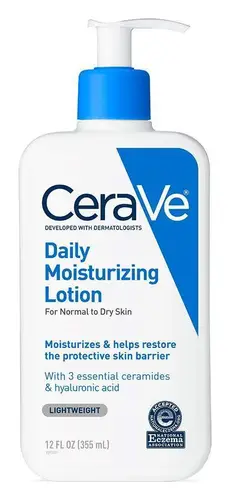
LUSH Celestial Moisturiser Versus LUSH Pansy
This calming moisturizer is formulated around Vanilla Planifolia Fruit Extract and Prunus Amygdalus Dulcis Oil to calm redness and hydrate skin.

What's inside
What's inside
 Benefits
Concerns
Ingredients Side-by-side




Olea Europaea Fruit Oil
Masking






Helianthus Annuus Seed Oil
Emollient
Glycerin
Humectant

Aloe Barbadensis Leaf Juice
Skin Conditioning

Theobroma Cacao Seed Butter
Emollient
Stearic Acid
Cleansing
Parfum
Masking

Illipe Butter
Skin ConditioningTriethanolamine
BufferingSimmondsia Chinensis Seed Oil
Emollient
Citrus Aurantium Bergamia Fruit Oil
Masking
Citrus Aurantium Amara Flower Water
MaskingRosmarinus Officinalis Leaf Oil
Masking
Ferula Galbaniflua Resin Oil
Antimicrobial
Oenothera Biennis Oil
Emollient
Carthamus Tinctorius Seed Oil
Masking
Glyceryl Stearate
Emollient
Alpha-Isomethyl Ionone
Perfuming
Benzyl Alcohol
Perfuming

Benzyl Benzoate
Antimicrobial
Citral
Perfuming
Coumarin
Perfuming
Evernia Prunastri Extract
Perfuming
Farnesol
Perfuming
Geraniol
Perfuming
Hexyl Cinnamal
Perfuming
Hydroxycitronellal
Perfuming
Limonene
Perfuming
Linalool
Perfuming
Olea Europaea Fruit Oil, Helianthus Annuus Seed Oil, Glycerin, Aloe Barbadensis Leaf Juice, Theobroma Cacao Seed Butter, Stearic Acid, Parfum, Illipe Butter, Triethanolamine, Simmondsia Chinensis Seed Oil, Citrus Aurantium Bergamia Fruit Oil, Citrus Aurantium Amara Flower Water, Rosmarinus Officinalis Leaf Oil, Ferula Galbaniflua Resin Oil, Oenothera Biennis Oil, Carthamus Tinctorius Seed Oil, Glyceryl Stearate, Alpha-Isomethyl Ionone, Benzyl Alcohol, Benzyl Benzoate, Citral, Coumarin, Evernia Prunastri Extract, Farnesol, Geraniol, Hexyl Cinnamal, Hydroxycitronellal, Limonene, Linalool
Ingredients Explained
These ingredients are found in both products.
Ingredients higher up in an ingredient list are typically present in a larger amount.
Glycerin (or glycerol) is a compound naturally found in your skin. It's a powerhouse humectant that pulls water into the stratum corneum.
Topically, glycerin does several things at once:
Your skin makes glycerin on its own (mostly from sebaceous oil breakdown) and shuttles it to your outermost layer of skin, or your epidermis, via aquaporin-3.
Aquaporin-3 is a transporter that is essential for normal skin hydration, elasticity, and repair. Interestingly, mice lacking in AQP3 have dry and less elastic skin that can be fully corrected with glycerin.
This ingredient is non-irritating, plays well with almost every ingredient, and works across all skin types. Typical use is anywhere between 3-10% but can go up to 79% in some leave-on products.
Just know very high concentrations (>40%) can feel tacky in low humidity.
Glycerin is the name for this ingredient in American English. British English uses Glycerol/Glycerine.
Learn more about GlycerinParfum is a catch-all term for an ingredient or more that is used to give a scent to products.
Also called "fragrance", this ingredient can be a blend of hundreds of chemicals or plant oils. This means every product with "fragrance" or "parfum" in the ingredients list is a different mixture.
For instance, Habanolide is a proprietary trade name for a specific aroma chemical. When used as a fragrance ingredient in cosmetics, most aroma chemicals fall under the broad labeling category of “FRAGRANCE” or “PARFUM” according to EU and US regulations.
The term 'parfum' or 'fragrance' is not regulated in many countries. In many cases, it is up to the brand to define this term.
For instance, many brands choose to label themselves as "fragrance-free" because they are not using synthetic fragrances. However, their products may still contain ingredients such as essential oils that are considered a fragrance by INCI standards.
One example is Calendula flower extract. Calendula is an essential oil that still imparts a scent or 'fragrance'.
Depending on the blend, the ingredients in the mixture can cause allergies and sensitivities on the skin. Some ingredients that are known EU allergens include linalool and citronellol.
Parfum can also be used to mask or cover an unpleasant scent.
The bottom line is: not all fragrances/parfum/ingredients are created equally. If you are worried about fragrances, we recommend taking a closer look at an ingredient. And of course, we always recommend speaking with a professional.
Learn more about ParfumStearic Acid is a fatty acid that is already found in your skin. It's one of the free fatty acids that works alongside ceramides and cholesterols to maintain your barrier.
In cosmetics, it is a multitasker:
Safety-wise, the CIR Expert Panel has concluded it to be safe in cosmetics when formulated to be non-irritating and non-sensitizing.
Free stearic acid is a C18 fatty acid that the Malassezia yeast can substrate, so this ingredient may not be fungal acne safe.
This ingredient does have a comedogenic rating of 2-3, but this doesn't mean a formula with this ingredient will clog pores.
Human testing has proved that any finished product with this ingredient won't automatically make you break out; it really comes down to concentration, formula, and your skin.
Learn more about Stearic AcidThis ingredient is also known as Cocoa butter; it's the fat pressed out of roasted cocoa beans.
Cocoa butter is solid at room temperature and melts right around body temperature, which is why it feels waxy in the jar and slippery on skin.
It has a very saturated profile (stearic acid ~34 to 36%, oleic acid ~30 to 40%, and palmitic acid ~24 to 29%) that makes it a strong occlusive: it sits on top and slows water escaping from skin.
Concentration data shows that it can show up anywhere from a few percent in lotions up to 100% in balms, and the FDA lists cocoa butter as an OTC skin protectant active at 50-100%.
The CIR has reviewed it and concluded it to be safe as used in cosmetics.
This is one of the ingredients with a comedogenic score of 4/5 from the rabbit ear test. Just know that a later human study did find that finished products containing high-comedogenic ingredients like cocoa butter did not increase microcomedone formation.
The fair call here is that this ingredient is most likely fine on body or low-percentage formulas, but can potentially be riskier as a heavy leave-on facial product if you break out easily.
Cocoa butter may not be fungal acne safe; it is a triglyceride of C16-18 fatty acids that the Malassezia yeast can metabolize.
Allergies to cocoa butter are rare and uncommon, but a few cases have been documented (mostly in cases where the person ate chocolate). So if you have a tree nut allergy, be sure to patch test or avoid.
Learn more about Theobroma Cacao Seed ButterTriethanolamine (TEA) is an emulsifier and pH adjuster. It is created using ethylene oxide and ammonia. This gives Triethanolamine a nitrogen core and a similar scent to ammonia.
As an emulsifier, it prevents ingredients from separating and enhances texture by adding volume to a product.
PH adjusters are common in cosmetic products. The pH of a product can affect the effectiveness of other ingredients. A product with a high pH may also irritate the skin.
If you are looking for the tea leaf ingredient, click here.
Learn more about Triethanolamine