Lumene Nordic Bloom [LUMO] Vegan Collagen Essence Versus NYX Cosmetics Swear By It Eyeshadow Palette
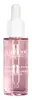
This hydrating serum is formulated around Sodium Hyaluronate to hydrate skin and soften the look of wrinkles.


What's inside
What's inside
 Key Ingredients
Benefits
Concerns
Ingredients Side-by-side
Vaccinium Vitis-Idaea Fruit Juice
Skin ConditioningWater
Skin ConditioningPropanediol
Solvent

Butylene Glycol
Humectant
Glycerin
Humectant
Phenoxyethanol
Preservative
Xanthan Gum
EmulsifyingHydroxyacetophenone
Antioxidant
Chondrus Crispus
Masking

Sodium Gluconate
ChelatingHydrolyzed Sodium Hyaluronate
Skin Conditioning
Ethylhexylglycerin
Skin ConditioningSodium Hyaluronate
Humectant


Sh-Polypeptide-121
Skin Conditioning
Pentylene Glycol
Skin Conditioning
Biosaccharide Gum-1
Humectant
Sodium Hyaluronate Crosspolymer
Humectant
Potassium Sorbate
Preservative
Vaccinium Vitis-Idaea Fruit Juice, Water, Propanediol, Butylene Glycol, Glycerin, Phenoxyethanol, Xanthan Gum, Hydroxyacetophenone, Chondrus Crispus, Sodium Gluconate, Hydrolyzed Sodium Hyaluronate, Ethylhexylglycerin, Sodium Hyaluronate, Sh-Polypeptide-121, Pentylene Glycol, Biosaccharide Gum-1, Sodium Hyaluronate Crosspolymer, Potassium Sorbate
Synthetic Fluorphlogopite
Isopropyl Isostearate
Emollient


Octyldodecyl Stearoyl Stearate
Emollient
Calcium Sodium Borosilicate
Ethylhexyl Stearate
Emollient
Synthetic Wax
Abrasive
Calcium Titanium Borosilicate
Abrasive
Pentaerythrityl Tetraisostearate
Emollient
Magnesium Stearate
Cosmetic ColorantParaffinum Liquidum
Emollient

Tin Oxide
Abrasive
Aluminum Hydroxide
EmollientCaprylic/Capric Triglyceride
Masking
Diisostearyl Malate
EmollientEthylhexyl Methoxycinnamate
UV Absorber

Ethylhexylglycerin
Skin ConditioningButyl Methoxydibenzoylmethane
UV Absorber
BHT
Antioxidant
Diethylhexyl Syringylidenemalonate
Skin Protecting
Sorbic Acid
Preservative
Phenoxyethanol
Preservative
CI 75470
Cosmetic ColorantCI 77007
Cosmetic ColorantCI 77491
Cosmetic ColorantCI 77492
Cosmetic ColorantCI 77499
Cosmetic ColorantCI 77891
Cosmetic ColorantMica
Cosmetic ColorantCI 42090
Cosmetic ColorantSynthetic Fluorphlogopite, Isopropyl Isostearate, Octyldodecyl Stearoyl Stearate, Calcium Sodium Borosilicate, Ethylhexyl Stearate, Synthetic Wax, Calcium Titanium Borosilicate, Pentaerythrityl Tetraisostearate, Magnesium Stearate, Paraffinum Liquidum, Tin Oxide, Aluminum Hydroxide, Caprylic/Capric Triglyceride, Diisostearyl Malate, Ethylhexyl Methoxycinnamate, Ethylhexylglycerin, Butyl Methoxydibenzoylmethane, BHT, Diethylhexyl Syringylidenemalonate, Sorbic Acid, Phenoxyethanol, CI 75470, CI 77007, CI 77491, CI 77492, CI 77499, CI 77891, Mica, CI 42090
Ingredients Explained
These ingredients are found in both products.
Ingredients higher up in an ingredient list are typically present in a larger amount.
Ethylhexylglycerin is created from glycerin. It is a multitasker ingredient that:
The CIR Expert Panel found minimal skin absorption or sensitization of any kind in a safety assessment. Though this ingredient is considered well-tolerated, a small number of cases of allergic dermatitis have been published since 2002. Just be sure to patch test if you are unsure.
Industry-reported use ranges from 8% in rinse-off products and 2% in leave-on formulations.
Learn more about EthylhexylglycerinPhenoxyethanol is one of the most widely used preservatives in skincare (and for good reason!).
It has a large spectrum of antimicrobial activity and especially effective bacteria, yeast, and mold while only having a weak effect on your skin's natural microbiome.
On a cellular level, it disrupts the cell membranes of microbes by poking holes that make the cell leak. This shuts down the chemical reactions the microbe needs to make energy so it can no longer survive.
Another perk of this ingredient is that it stays functional across a wide pH range (3-10).
You'll often see it paired with boosters like Ethylhexylglycerin; one study showed that a 1:9 ratio of Ethylhexylglycerin to Phenoxyethanol damages bacterial membranes as effectively as doubling the Phenoxyethanol concentration on its own.
Typical use concentrations range from 0.3-1% depending on the formula, and this ingredient is capped at 1% int the EU.
Safety-wise, the fear mongering does not hold up to the evidence. The EU's Scientific Committee on Consumer Safety and FDA consider it safe as a preservative at up to 1%, including for children of all ages.
Adverse systemic effects only showed up in animal studies at exposures roughly 200x higher than what people get from cosmetics. And despite its very widespread use, this ingredient is a rare sensitizer and allergic reactions are uncommon.
Learn more about Phenoxyethanol

