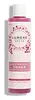
This hydrating toner is formulated around Prunus Amygdalus Dulcis Oil and Sodium Hyaluronate to hydrate skin and strengthen the skin barrier.
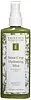
This hydrating toner is formulated around Aloe Barbadensis Leaf Juice and Arctostaphylos Uva-Ursi Leaf Extract to hydrate skin and calm redness.


What's inside
What's inside
 Key Ingredients
Benefits
Concerns
Ingredients Side-by-side
Water
Skin ConditioningGlycerin
Humectant


PEG-40 Hydrogenated Castor Oil
Emulsifying


PPG-26-Buteth-26
Skin ConditioningPrunus Amygdalus Dulcis Oil
Skin Conditioning

Vaccinium Vitis-Idaea Seed Oil
Antioxidant
Phenoxyethanol
Preservative
Ethylhexylglycerin
Skin ConditioningPropanediol
Solvent
Acrylates/C10-30 Alkyl Acrylate Crosspolymer
Emulsion StabilisingXanthan Gum
EmulsifyingCaprylyl Glycol
Emollient
Sodium Hydroxide
BufferingSodium Hyaluronate
Humectant


Glucose
Humectant
Chondrus Crispus Extract
Skin Conditioning
Helianthus Annuus Seed Oil
Emollient
Rosmarinus Officinalis Leaf Extract
AntimicrobialParfum
Masking


Water, Glycerin, PEG-40 Hydrogenated Castor Oil, PPG-26-Buteth-26, Prunus Amygdalus Dulcis Oil, Vaccinium Vitis-Idaea Seed Oil, Phenoxyethanol, Ethylhexylglycerin, Propanediol, Acrylates/C10-30 Alkyl Acrylate Crosspolymer, Xanthan Gum, Caprylyl Glycol, Sodium Hydroxide, Sodium Hyaluronate, Glucose, Chondrus Crispus Extract, Helianthus Annuus Seed Oil, Rosmarinus Officinalis Leaf Extract, Parfum
Aloe Barbadensis Leaf Juice
Skin Conditioning
Citrus Limon Peel Extract
EmollientArctostaphylos Uva-Ursi Leaf Extract
Skin Conditioning
Jasminum Officinale Flower Extract
Masking
Lavandula Angustifolia Flower Extract
Cleansing
Calendula Officinalis Flower Extract
Masking
Oryza Sativa Extract
Absorbent
Camellia Sinensis Leaf Extract
Antimicrobial


Rosmarinus Officinalis Leaf Extract
AntimicrobialGlycine Soja Extract
Skin ConditioningGlycerin
Humectant
Propanediol
Solvent
Cellulose Gum
Emulsion StabilisingSodium Hydroxide
BufferingCaprylyl Glycol
Emollient
Ethylhexylglycerin
Skin ConditioningPrunus Persica Fruit Water
Masking
Algae
Skin Conditioning
Sorbitol
Humectant
Niacinamide
Smoothing


Heptyl Glucoside
SurfactantDaucus Carota Sativa Root Extract
Skin Conditioning
Euterpe Oleracea Fruit Extract
Citrus Limon Fruit Extract
Masking
Malpighia Emarginata Fruit Extract
Skin ConditioningPhyllanthus Emblica Fruit Extract
HumectantAdansonia Digitata Seed Oil
Emollient
Myrciaria Dubia Fruit Extract
Skin ConditioningCocos Nucifera Water
Masking
Lycium Barbarum Fruit Extract
Astringent
Tapioca Starch
Thioctic Acid
Antioxidant
Aloe Barbadensis Leaf Juice, Citrus Limon Peel Extract, Arctostaphylos Uva-Ursi Leaf Extract, Jasminum Officinale Flower Extract, Lavandula Angustifolia Flower Extract, Calendula Officinalis Flower Extract, Oryza Sativa Extract, Camellia Sinensis Leaf Extract, Rosmarinus Officinalis Leaf Extract, Glycine Soja Extract, Glycerin, Propanediol, Cellulose Gum, Sodium Hydroxide, Caprylyl Glycol, Ethylhexylglycerin, Prunus Persica Fruit Water, Algae, Sorbitol, Niacinamide, Heptyl Glucoside, Daucus Carota Sativa Root Extract, Euterpe Oleracea Fruit Extract, Citrus Limon Fruit Extract, Malpighia Emarginata Fruit Extract, Phyllanthus Emblica Fruit Extract, Adansonia Digitata Seed Oil, Myrciaria Dubia Fruit Extract, Cocos Nucifera Water, Lycium Barbarum Fruit Extract, Tapioca Starch, Thioctic Acid
Reviews
Ingredients Explained
These ingredients are found in both products.
Ingredients higher up in an ingredient list are typically present in a larger amount.
Caprylyl Glycol is a humectant, skin conditioner, emollient, and preservative booster derived from either caprylic acid or synthetically created.
Typical use levels vary from 0.3-1% as a preservative booster and go up to 2% to condition skin.
Because it is not a free-fatty acid, this ingredient is fungal acne safe (there's nothing for Malassezia to feed on).
Learn more about Caprylyl GlycolEthylhexylglycerin is created from glycerin. It is a multitasker ingredient that:
The CIR Expert Panel found minimal skin absorption or sensitization of any kind in a safety assessment. Though this ingredient is considered well-tolerated, a small number of cases of allergic dermatitis have been published since 2002. Just be sure to patch test if you are unsure.
Industry-reported use ranges from 8% in rinse-off products and 2% in leave-on formulations.
Learn more about EthylhexylglycerinGlycerin (or glycerol) is a compound naturally found in your skin. It's a powerhouse humectant that pulls water into the stratum corneum.
Topically, glycerin does several things at once:
Your skin makes glycerin on its own (mostly from sebaceous oil breakdown) and shuttles it to your outermost layer of skin, or your epidermis, via aquaporin-3.
Aquaporin-3 is a transporter that is essential for normal skin hydration, elasticity, and repair. Interestingly, mice lacking in AQP3 have dry and less elastic skin that can be fully corrected with glycerin.
This ingredient is non-irritating, plays well with almost every ingredient, and works across all skin types. Typical use is anywhere between 3-10% but can go up to 79% in some leave-on products.
Just know very high concentrations (>40%) can feel tacky in low humidity.
Glycerin is the name for this ingredient in American English. British English uses Glycerol/Glycerine.
Learn more about GlycerinPropanediol is an all-star ingredient. It softens, hydrates, and smooths the skin.
It’s often used to:
Propanediol is not likely to cause sensitivity and considered safe to use. It is derived from corn or petroleum with a clear color and no scent.
Learn more about PropanediolThis is a botanical extract from the rosemary plant (the same one you cook with). In skincare, it mostly works as a skin conditioning agent.
Its activity comes from a handful of polyphenols, carnosic acid, carnosol, and rosmarinic acid. Almost 90% of the antioxidant activity of this ingredient can be attributed to canosol and carnosic acid.
These compounds protect your skin two ways:
1) They fight off free radicals, or the unstable molecules from things like sun and pollution that age and damage skin.
2) They help calm inflammation by switching off the chemical signals that tell skin to get red and irritated.
Lab studies also suggest that rosmarinic acid may help protect collagen and slow sugar-related damage to it.
The Cosmetic Ingredient Review has concluded rosemary-derived ingredients to be safe when formulated to be non-sensitizing.
Rosemary can occasionally cause allergic contact dermatitis (due to carnosol), so be sure to patch test if you have reactive or fragrance-sensitive skin.
Learn more about Rosmarinus Officinalis Leaf ExtractSodium Hydroxide is also known as lye or caustic soda. It is used to adjust the pH of products; many ingredients require a specific pH to be effective.
In small amounts, sodium hydroxide is considered safe to use. However, large amounts may cause chemical burns due to its high alkaline.
Your skin has a natural pH and acid mantle. This acid mantle helps prevent harmful bacteria from breaking through. The acid mantle also helps keep your skin hydrated.
"Alkaline" refers to a high pH level. A low pH level would be considered acidic.
Learn more about Sodium Hydroxide

