Lierac Sébologie Mattifying Sebum-Regulating Gel Versus Dermedic Normacne Regulating Antibacterial Tonic
This oil-control serum is formulated around Zinc Gluconate and Potassium Azeloyl Diglycinate to balance excess oil and clear breakouts.


What's inside
What's inside
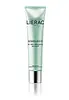 Key Ingredients
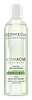
No key ingredients
Benefits
Concerns
Ingredients Side-by-side
Water
Skin ConditioningDiisopropyl Sebacate
EmollientDimethicone
Emollient

Polyamide-5
Skin ConditioningButylene Glycol
Humectant

Hydroxypropyl Starch Phosphate
Cetearyl Alcohol
Emollient






Propanediol
Solvent
Zinc Gluconate
Skin Conditioning



Coco-Glucoside
Cleansing
Potassium Azeloyl Diglycinate
Skin Conditioning



Alpha-Glucan Oligosaccharide
Cleansing
Parfum
Masking


Dimethicone Crosspolymer
Emulsion Stabilising
Bakuchiol
Antimicrobial




Salicylic Acid
Masking


Rhizobian Gum
10-Hydroxydecenoic Acid
Skin ConditioningSebacic Acid
BufferingAlchemilla Vulgaris Leaf Extract
Antioxidant
1,10-Decanediol
SolventEquisetum Arvense Extract
AstringentHedera Helix Leaf/Stem Extract
AntimicrobialTocopherol
Antioxidant
Glycine Soja Oil
Emollient
Sodium Benzoate
Masking
Water, Diisopropyl Sebacate, Dimethicone, Polyamide-5, Butylene Glycol, Hydroxypropyl Starch Phosphate, Cetearyl Alcohol, Propanediol, Zinc Gluconate, Coco-Glucoside, Potassium Azeloyl Diglycinate, Alpha-Glucan Oligosaccharide, Parfum, Dimethicone Crosspolymer, Bakuchiol, Salicylic Acid, Rhizobian Gum, 10-Hydroxydecenoic Acid, Sebacic Acid, Alchemilla Vulgaris Leaf Extract, 1,10-Decanediol, Equisetum Arvense Extract, Hedera Helix Leaf/Stem Extract, Tocopherol, Glycine Soja Oil, Sodium Benzoate

Ingredients Explained
These ingredients are found in both products.
Ingredients higher up in an ingredient list are typically present in a larger amount.
We don't have a description for 1,10-Decanediol yet.
Butylene Glycol (or BG) is used within cosmetic products for a few different reasons:
Overall, Butylene Glycol is a safe and well-rounded ingredient that works well with other ingredients.
Though this ingredient works well with most skin types, some people with sensitive skin may experience a reaction such as allergic rashes, closed comedones, or itchiness.
Learn more about Butylene GlycolParfum is a catch-all term for an ingredient or more that is used to give a scent to products.
Also called "fragrance", this ingredient can be a blend of hundreds of chemicals or plant oils. This means every product with "fragrance" or "parfum" in the ingredients list is a different mixture.
For instance, Habanolide is a proprietary trade name for a specific aroma chemical. When used as a fragrance ingredient in cosmetics, most aroma chemicals fall under the broad labeling category of “FRAGRANCE” or “PARFUM” according to EU and US regulations.
The term 'parfum' or 'fragrance' is not regulated in many countries. In many cases, it is up to the brand to define this term.
For instance, many brands choose to label themselves as "fragrance-free" because they are not using synthetic fragrances. However, their products may still contain ingredients such as essential oils that are considered a fragrance by INCI standards.
One example is Calendula flower extract. Calendula is an essential oil that still imparts a scent or 'fragrance'.
Depending on the blend, the ingredients in the mixture can cause allergies and sensitivities on the skin. Some ingredients that are known EU allergens include linalool and citronellol.
Parfum can also be used to mask or cover an unpleasant scent.
The bottom line is: not all fragrances/parfum/ingredients are created equally. If you are worried about fragrances, we recommend taking a closer look at an ingredient. And of course, we always recommend speaking with a professional.
Learn more about ParfumWe don't have a description for Sebacic Acid yet.
Water. It's the most common cosmetic ingredient of all. You'll usually see it at the top of ingredient lists, meaning that it makes up the largest part of the product.
So why is it so popular? Water most often acts as a solvent - this means that it helps dissolve other ingredients into the formulation.
You'll also recognize water as that liquid we all need to stay alive. If you see this, drink a glass of water. Remember to stay hydrated!
Learn more about Water

