Laura Mercier Ultra Blur Translucent Lose Setting Powder Versus Charlotte Tilbury Airbrush Brightening Flawless Finish Powder


What's inside
What's inside
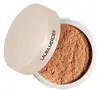 Key Ingredients
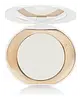
Benefits
Concerns
Ingredients Side-by-side
Mica
Cosmetic ColorantLauroyl Lysine
Skin Conditioning
Zinc Stearate
Cosmetic ColorantAluminum Starch Octenylsuccinate
Absorbent
Silica
Abrasive

C13-15 Alkane
SolventEthylhexylglycerin
Skin ConditioningHelianthus Annuus Seed Oil
Emollient



Tocopherol
Antioxidant






Sodium Hyaluronate
Humectant
Sorbic Acid
Preservative
Blue 1 Lake
Cosmetic ColorantIron Oxides
CI 77742
Cosmetic ColorantCI 15850
Cosmetic ColorantCI 77891
Cosmetic ColorantCI 77007
Cosmetic ColorantCI 19140
Cosmetic ColorantTalc
Abrasive
Mica
Cosmetic ColorantMethyl Methacrylate Crosspolymer
Silica
Abrasive
Dimethicone
Emollient

Nylon-12

Lauroyl Lysine
Skin Conditioning
Zinc Stearate
Cosmetic ColorantCaprylic/Capric Glycerides
EmollientPentaerythrityl Tetraisostearate
Emollient
Water
Skin ConditioningEthylhexylglycerin
Skin ConditioningPotassium Sorbate
Preservative
Dimethiconol
Emollient
Sodium Hyaluronate
Humectant
Collagen Amino Acids
Moisturising
Sorbitol
Humectant
Leuconostoc/Radish Root Ferment Filtrate
Antimicrobial
Propanediol
Solvent
Humulus Lupulus Oil
Masking
1,2-Hexanediol
Skin Conditioning
Caprylyl Glycol
Emollient
Xanthan Gum
EmulsifyingAscorbic Acid
Antioxidant

Colloidal Gold
AntimicrobialGlutathione
Tin Oxide
Abrasive
CI 77891
Cosmetic ColorantIron Oxides
Talc, Mica, Methyl Methacrylate Crosspolymer, Silica, Dimethicone, Nylon-12, Lauroyl Lysine, Zinc Stearate, Caprylic/Capric Glycerides, Pentaerythrityl Tetraisostearate, Water, Ethylhexylglycerin, Potassium Sorbate, Dimethiconol, Sodium Hyaluronate, Collagen Amino Acids, Sorbitol, Leuconostoc/Radish Root Ferment Filtrate, Propanediol, Humulus Lupulus Oil, 1,2-Hexanediol, Caprylyl Glycol, Xanthan Gum, Ascorbic Acid, Colloidal Gold, Glutathione, Tin Oxide, CI 77891, Iron Oxides
Reviews
Ingredients Explained
These ingredients are found in both products.
Ingredients higher up in an ingredient list are typically present in a larger amount.
Ci 77891 is a white pigment from Titanium dioxide. It is naturally found in minerals such as rutile and ilmenite.
It's main function is to add a white color to cosmetics. It can also be mixed with other colors to create different shades.
Ci 77891 is commonly found in sunscreens due to its ability to block UV rays.
Learn more about CI 77891Ethylhexylglycerin is created from glycerin. It is a multitasker ingredient that:
The CIR Expert Panel found minimal skin absorption or sensitization of any kind in a safety assessment. Though this ingredient is considered well-tolerated, a small number of cases of allergic dermatitis have been published since 2002. Just be sure to patch test if you are unsure.
Industry-reported use ranges from 8% in rinse-off products and 2% in leave-on formulations.
Learn more about EthylhexylglycerinThis ingredient comes from a fatty acid (lauric acid) and amino acid (lysine). It is used to add a silky feel to cosmetics.
According to a manufacturer, its fatty acid base leaves a silky feeling on the skin. It also has emollient properties because of this. Emollients help soften skin by preventing water from evaporating.
Lauroyl lysine is barely soluble in water.
Learn more about Lauroyl LysineMica is a naturally occurring mineral used to add shimmer and color in cosmetics. It can also help improve the texture of a product or give it an opaque, white/silver color.
Serecite is the name for very fine but ragged grains of mica.
This ingredient is often coated with metal oxides like titanium dioxide. Trace amounts of heavy metals may be found in mica, but these metals are not harmful in our personal products.
Mica has been used since prehistoric times throughout the world. Ancient Egyptian, Indian, Greek, Roman, Aztec, and Chinese civilizations have used mica.
Learn more about MicaSilica, also known as silicon dioxide, is a naturally occurring mineral. It is used as a fine, spherical, and porous powder in cosmetics.
Though it has exfoliant properties, the function of silica varies depending on the product.
The unique structure of silica enhances the spreadability and adds smoothness, making it a great texture enhancer.
It is also used as an active carrier, emulsifier, and mattifier due to its ability to absorb excess oil.
In some products, tiny microneedles called spicules are made from silica or hydrolyzed sponge. When you rub them in, they lightly polish away dead skin layers and enhance the penetration of active ingredients.
Learn more about SilicaSodium Hyaluronate is the salt form of hyaluronic acid. It is a long sugar chain that is naturally found in your skin, joints, and connective tissue that maintains hydration and elasticity.
In skincare, it works as a humectant. It pulls water from the environment and deeper layers of skin and binds it to the surface.
Interestingly, the size of the molecule affects its behavior:
Some clinical evidence links low molecular weight versions to improved wrinkle depth, elasticity, anti-inflammatory effects, and barrier repair.
Many serums use a blend of both weights so you can get surface hydration plus longer-lasting and deeper effects.
You'll typically see concentrations between 0.1-2% for this ingredient.
Learn more about Sodium HyaluronateZinc Stearate is the metal salt of stearic acid. It is a white solid used to bind, thicken, and lubricate products.
This ingredient is common in powder makeup, where it helps keep the powder together.
Zinc Stearate is hydrophobic and repels water.
This ingredient can be sourced from non-animal or animal sources. It is best to reach out to the brand to see where they source this ingredient from.
Learn more about Zinc StearateThis ingredient is a combination of red, black, and yellow iron oxide pigments. This combination of colors is usually found in foundation, because it results in a "skin" color.
The EU typically uses CI numbers for colorants when applicable, such as CI 77489. In the US, iron oxides are regulated as color additives and "iron oxides" is the most commonly used name in US cosmetic practice.
A 2021 paper looked at skincare formulations containing iron oxides and found that they reduced transmission of blue light when measured optically. In simple terms, the pigment particles helped block or scatter part of the visible light spectrum in lab testing and the authors suggest this could translate into better protection against blue-light-related skin effects.
There is also clinical and experimental research showing that tinted products containing iron oxides can reduce visible light-induced pigmentation:
Please note, whether a product reduces visible or blue light depends on things like:
In the EU's CosIng database, iron oxides are only listed as a colorant. CosIng groups ingredients by their main cosmetic role, such as colorant, preservative, or UV filter.
Though studies say iron oxides can "attenuate blue light", they're describing an optical property and not an officially recognized cosmetic function.
So CosIng isn’t contradicting the research. It’s just classifying iron oxides by what they officially are: pigments that add color.
Learn more about Iron Oxides

