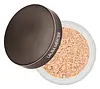
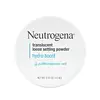
Laura Mercier Translucent Loose Setting Powder Versus Neutrogena Hydro Boost Translucent Loose Setting Powder


What's inside
What's inside
 Key Ingredients
Benefits
Concerns
Ingredients Side-by-side
Talc
Abrasive
Mica
Cosmetic ColorantMagnesium Myristate


Nylon-12


Ethylhexyl Palmitate
Emollient


Caprylic/Capric Triglyceride
Masking


Zea Mays Starch
Absorbent
Glycine Soja Oil
Emollient


Tocopherol
Antioxidant




Lauroyl Lysine
Skin Conditioning
Methicone
Emollient
Polymethyl Methacrylate
Phenoxyethanol
Preservative
Caprylyl Glycol
Emollient
Sodium Dehydroacetate
Preservative
Titanium Dioxide
Cosmetic Colorant
CI 77491
Cosmetic ColorantCI 77492
Cosmetic ColorantCI 77499
Cosmetic ColorantCI 77007
Cosmetic ColorantTalc, Mica, Magnesium Myristate, Nylon-12, Ethylhexyl Palmitate, Caprylic/Capric Triglyceride, Zea Mays Starch, Glycine Soja Oil, Tocopherol, Lauroyl Lysine, Methicone, Polymethyl Methacrylate, Phenoxyethanol, Caprylyl Glycol, Sodium Dehydroacetate, Titanium Dioxide, CI 77491, CI 77492, CI 77499, CI 77007
Mica
Cosmetic ColorantSynthetic Fluorphlogopite
Aluminum Starch Octenylsuccinate
Absorbent
Silica
Abrasive
Zinc Stearate
Cosmetic ColorantCalcium Sodium Borosilicate
Lauroyl Lysine
Skin Conditioning
C13-15 Alkane
SolventWater
Skin ConditioningEthylhexylglycerin
Skin ConditioningSodium Dehydroacetate
Preservative
Sorbic Acid
Preservative
Ricinus Communis Seed Oil
Masking
Aloe Barbadensis Leaf Extract
Emollient
Sodium Hyaluronate
Humectant
Hydrogenated Castor Oil
Emollient
Methicone
Emollient
Ultramarines
Iron Oxides
CI 19140
Cosmetic ColorantMica, Synthetic Fluorphlogopite, Aluminum Starch Octenylsuccinate, Silica, Zinc Stearate, Calcium Sodium Borosilicate, Lauroyl Lysine, C13-15 Alkane, Water, Ethylhexylglycerin, Sodium Dehydroacetate, Sorbic Acid, Ricinus Communis Seed Oil, Aloe Barbadensis Leaf Extract, Sodium Hyaluronate, Hydrogenated Castor Oil, Methicone, Ultramarines, Iron Oxides, CI 19140
Reviews
Ingredients Explained
These ingredients are found in both products.
Ingredients higher up in an ingredient list are typically present in a larger amount.
This ingredient comes from a fatty acid (lauric acid) and amino acid (lysine). It is used to add a silky feel to cosmetics.
According to a manufacturer, its fatty acid base leaves a silky feeling on the skin. It also has emollient properties because of this. Emollients help soften skin by preventing water from evaporating.
Lauroyl lysine is barely soluble in water.
Learn more about Lauroyl LysineMethicone is a type of silicone and is a simpler form of dimethicone.
Silicones are used to enhance the texture of products and have emollient properties. Methicone is used to give products a silky texture and improves spreadability.
Mica is a naturally occurring mineral used to add shimmer and color in cosmetics. It can also help improve the texture of a product or give it an opaque, white/silver color.
Serecite is the name for very fine but ragged grains of mica.
This ingredient is often coated with metal oxides like titanium dioxide. Trace amounts of heavy metals may be found in mica, but these metals are not harmful in our personal products.
Mica has been used since prehistoric times throughout the world. Ancient Egyptian, Indian, Greek, Roman, Aztec, and Chinese civilizations have used mica.
Learn more about MicaSodium Dehydroacetate is a synthetic preservative and sodium salt form of dehydroacetic acid. It stops bacteria, mold, and yeast from growing in your products at low concentrations.
Clinical testing found it to be non-irritating, non-sensitizing, and non-photosensitizing. It's also not significantly absorbed through skin.
There are a very small number of reported cases of contact dermatitis in cases linked to wound-care creams used over compromised skin (rather than skincare).
Overall, this is a well-studied and low-risk preservative just doing its job.
Typical concentrations run up to 0.6%, which is also the maximum amount permitted under both EU CosIng regulations and US FDA guidelines.
Learn more about Sodium Dehydroacetate

