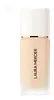
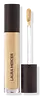
Laura Mercier Real Flawless Weightless Perfecting Waterproof Foundation Versus Laura Mercier Flawless Fusion Ultra Longwear Concealer

What's inside
What's inside
 Key Ingredients
Benefits
Concerns
Ingredients Side-by-side
Isododecane
EmollientIsodecyl Neopentanoate
EmollientHydrogenated Polyisobutene
EmollientHydrogenated Polycyclopentadiene
Hydrogenated Didecene
Skin ConditioningSilica
Abrasive


Polyglyceryl-3 Diisostearate
Emulsifying


Hydrogenated Styrene/Isoprene Copolymer
Dicalcium Phosphate
Abrasive
Disteardimonium Hectorite
StabilisingCellulose
Absorbent
Lauryl PCA
HumectantTheobroma Cacao Seed Extract
Antioxidant
Hydrogenated Lecithin
Emulsifying

Camellia Oleifera Seed Oil
Skin Conditioning
Water
Skin ConditioningPentaerythrityl Tetra-Di-T-Butyl Hydroxyhydrocinnamate
Antioxidant
Tocopheryl Acetate
Antioxidant

Butylene Glycol
Humectant
Iron Oxides
CI 77891
Cosmetic ColorantIsododecane, Isodecyl Neopentanoate, Hydrogenated Polyisobutene, Hydrogenated Polycyclopentadiene, Hydrogenated Didecene, Silica, Polyglyceryl-3 Diisostearate, Hydrogenated Styrene/Isoprene Copolymer, Dicalcium Phosphate, Disteardimonium Hectorite, Cellulose, Lauryl PCA, Theobroma Cacao Seed Extract, Hydrogenated Lecithin, Camellia Oleifera Seed Oil, Water, Pentaerythrityl Tetra-Di-T-Butyl Hydroxyhydrocinnamate, Tocopheryl Acetate, Butylene Glycol, Iron Oxides, CI 77891
Water
Skin ConditioningCyclopentasiloxane
Emollient
Dodecane
Emollient
Glycerin
Humectant
Cetyl PEG/PPG-10/1 Dimethicone
Emulsifying
Butylene Glycol
Humectant
Heptyl Undecylenate
EmollientPhenyl Trimethicone
Skin Conditioning
Hydrogendimethylsiloxysilicate
Neopentyl Glycol Diheptanoate
EmollientBis-PEG/PPG-14/14 Dimethicone
Emollient
Silica
Abrasive
Quaternium-90 Bentonite
Acrylates/C12-22 Alkyl Methacrylate Copolymer
Tribehenin
Emollient
Boron Nitride
Absorbent
Polyglyceryl-3 Diisostearate
Emulsifying
Lecithin
Emollient
Pentylene Glycol
Skin Conditioning
Disodium Stearoyl Glutamate
CleansingDimethicone/Vinyl Dimethicone Crosspolymer
Skin Conditioning
Ascorbyl Glucoside
Antioxidant
Magnesium Sulfate
Laureth-7
EmulsifyingPropylene Carbonate
SolventAluminum Dimyristate
Emulsion StabilisingTriethoxycaprylylsilane
Serica
HumectantTrisodium EDTA
Phenoxyethanol
Preservative
Caprylyl Glycol
Emollient
Chlorphenesin
Antimicrobial
Mica
Cosmetic ColorantCI 77891
Cosmetic ColorantCI 77491
Cosmetic ColorantCI 77492
Cosmetic ColorantCI 77499
Cosmetic ColorantWater, Cyclopentasiloxane, Dodecane, Glycerin, Cetyl PEG/PPG-10/1 Dimethicone, Butylene Glycol, Heptyl Undecylenate, Phenyl Trimethicone, Hydrogendimethylsiloxysilicate, Neopentyl Glycol Diheptanoate, Bis-PEG/PPG-14/14 Dimethicone, Silica, Quaternium-90 Bentonite, Acrylates/C12-22 Alkyl Methacrylate Copolymer, Tribehenin, Boron Nitride, Polyglyceryl-3 Diisostearate, Lecithin, Pentylene Glycol, Disodium Stearoyl Glutamate, Dimethicone/Vinyl Dimethicone Crosspolymer, Ascorbyl Glucoside, Magnesium Sulfate, Laureth-7, Propylene Carbonate, Aluminum Dimyristate, Triethoxycaprylylsilane, Serica, Trisodium EDTA, Phenoxyethanol, Caprylyl Glycol, Chlorphenesin, Mica, CI 77891, CI 77491, CI 77492, CI 77499
Reviews
Ingredients Explained
These ingredients are found in both products.
Ingredients higher up in an ingredient list are typically present in a larger amount.
Butylene Glycol (or BG) is used within cosmetic products for a few different reasons:
Overall, Butylene Glycol is a safe and well-rounded ingredient that works well with other ingredients.
Though this ingredient works well with most skin types, some people with sensitive skin may experience a reaction such as allergic rashes, closed comedones, or itchiness.
Learn more about Butylene GlycolCi 77891 is a white pigment from Titanium dioxide. It is naturally found in minerals such as rutile and ilmenite.
It's main function is to add a white color to cosmetics. It can also be mixed with other colors to create different shades.
Ci 77891 is commonly found in sunscreens due to its ability to block UV rays.
Learn more about CI 77891Polyglyceryl-3 Diisostearate is a plant-derived, oil-soluble emulsifier. It keeps water-in-oil emulsions stable to prevent the ingredients from separating.
On the safety front, it's considered non-irritating and well-tolerated (it can even be found in formulations for baby skin).
This ingredient may not be fungal acne safe because research has shown that the Malassezia species can grow in the presence of fatty acid esters with chain lengths above C12 (and this one is C18).
While it does have a comedogenic rating of 4, the comedogenic rating scale was developed from rabbit ear models which has limited clinical relevance to human skin. Studies also show that comedogenic ingredients cannot predict how the overall formula will behave on human skin.
Learn more about Polyglyceryl-3 DiisostearateSilica, also known as silicon dioxide, is a naturally occurring mineral. It is used as a fine, spherical, and porous powder in cosmetics.
Though it has exfoliant properties, the function of silica varies depending on the product.
The unique structure of silica enhances the spreadability and adds smoothness, making it a great texture enhancer.
It is also used as an active carrier, emulsifier, and mattifier due to its ability to absorb excess oil.
In some products, tiny microneedles called spicules are made from silica or hydrolyzed sponge. When you rub them in, they lightly polish away dead skin layers and enhance the penetration of active ingredients.
Learn more about SilicaWater. It's the most common cosmetic ingredient of all. You'll usually see it at the top of ingredient lists, meaning that it makes up the largest part of the product.
So why is it so popular? Water most often acts as a solvent - this means that it helps dissolve other ingredients into the formulation.
You'll also recognize water as that liquid we all need to stay alive. If you see this, drink a glass of water. Remember to stay hydrated!
Learn more about Water

