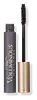
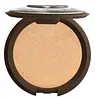
L'Oreal Voluminous Original Washable Mascara Versus Smashbox BECCA Shimmering Skin Perfector Pressed Highlighter


What's inside
What's inside
 Key Ingredients
Benefits
Concerns
Ingredients Side-by-side
Water
Skin ConditioningParaffin
Skin Conditioning
Potassium Cetyl Phosphate
EmulsifyingCera Alba
Emollient





Copernicia Cerifera Cera
Emollient
Acacia Senegal Gum
MaskingCetyl Alcohol
Emollient

Glycerin
Humectant

Hydroxyethylcellulose
Emulsion StabilisingPhenoxyethanol
Preservative
PEG/PPG-17/18 Dimethicone
Emulsifying
Steareth-20
CleansingSilica
Abrasive


Phenethyl Alcohol
MaskingSodium Polymethacrylate
Emulsion StabilisingHydrogenated Jojoba Oil
Abrasive
Hydrogenated Palm Oil
Emollient
Polyquaternium-10
Disodium EDTA
Tin Oxide
Abrasive
Panthenol
Skin Conditioning

BHT
Antioxidant
Ultramarines
Mica
Cosmetic ColorantCI 75470
Cosmetic ColorantTitanium Dioxide
Cosmetic Colorant

Water, Paraffin, Potassium Cetyl Phosphate, Cera Alba, Copernicia Cerifera Cera, Acacia Senegal Gum, Cetyl Alcohol, Glycerin, Hydroxyethylcellulose, Phenoxyethanol, PEG/PPG-17/18 Dimethicone, Steareth-20, Silica, Phenethyl Alcohol, Sodium Polymethacrylate, Hydrogenated Jojoba Oil, Hydrogenated Palm Oil, Polyquaternium-10, Disodium EDTA, Tin Oxide, Panthenol, BHT, Ultramarines, Mica, CI 75470, Titanium Dioxide
Talc
Abrasive
Caprylic/Capric Triglyceride
Masking
Isostearyl Alcohol
Emollient
Petrolatum
Emollient
Silica
Abrasive
Boron Nitride
Absorbent
Nylon-12
Hdi/Trimethylol Hexyllactone Crosspolymer
Dimethicone
Emollient
Paraffin
Skin Conditioning
Microcrystalline Wax
Emulsion StabilisingPolyethylene
Abrasive
Magnesium Stearate
Cosmetic ColorantSorbitan Sesquioleate
Emulsifying
Calcium Sodium Borosilicate
Synthetic Fluorphlogopite
Triethoxycaprylylsilane
Calcium Aluminum Borosilicate
Tin Oxide
Abrasive
Tetrasodium EDTA
Chlorphenesin
Antimicrobial
Potassium Sorbate
Preservative
Mica
Cosmetic ColorantCI 77891
Cosmetic ColorantCI 77491
Cosmetic ColorantCI 77492
Cosmetic ColorantCI 77499
Cosmetic ColorantCI 77000
Cosmetic ColorantCI 42090
Cosmetic ColorantCI 77400
Cosmetic ColorantCI 77163
Cosmetic Colorant
CI 75470
Cosmetic ColorantCI 77289
Cosmetic ColorantCI 77288
Cosmetic ColorantCI 77510
Cosmetic ColorantCI 77742
Cosmetic ColorantCI 77007
Cosmetic ColorantCI 19140
Cosmetic ColorantTalc, Caprylic/Capric Triglyceride, Isostearyl Alcohol, Petrolatum, Silica, Boron Nitride, Nylon-12, Hdi/Trimethylol Hexyllactone Crosspolymer, Dimethicone, Paraffin, Microcrystalline Wax, Polyethylene, Magnesium Stearate, Sorbitan Sesquioleate, Calcium Sodium Borosilicate, Synthetic Fluorphlogopite, Triethoxycaprylylsilane, Calcium Aluminum Borosilicate, Tin Oxide, Tetrasodium EDTA, Chlorphenesin, Potassium Sorbate, Mica, CI 77891, CI 77491, CI 77492, CI 77499, CI 77000, CI 42090, CI 77400, CI 77163, CI 75470, CI 77289, CI 77288, CI 77510, CI 77742, CI 77007, CI 19140
Reviews
Ingredients Explained
These ingredients are found in both products.
Ingredients higher up in an ingredient list are typically present in a larger amount.
Ci 75470 is a bright-red pigment. It is AKA carmine.
Carmine is derived from insects such as the cochineal beetle. This ingredient has been used as a natural dye for over 2000 years.
Mica is a naturally occurring mineral used to add shimmer and color in cosmetics. It can also help improve the texture of a product or give it an opaque, white/silver color.
Serecite is the name for very fine but ragged grains of mica.
This ingredient is often coated with metal oxides like titanium dioxide. Trace amounts of heavy metals may be found in mica, but these metals are not harmful in our personal products.
Mica has been used since prehistoric times throughout the world. Ancient Egyptian, Indian, Greek, Roman, Aztec, and Chinese civilizations have used mica.
Learn more about MicaParaffin is a solid wax that pulls its weight as an emollient, occlusive, and consistency-booster.
It softens skin and lays down a protective film to slow water loss and gives products a stable body and structure.
The cosmetic grade stuff is highly refined with a solid safety record. The CIR Expert Panel has repeatedly reaffirmed this ingredient to be safe in current practices of use and concentration.
The worry about carcinogenic compounds only applies to industrial grades, not the purified version used in skincare.
Despite its reputation, the highly reformed form is non-comedogenic and doesn't penetrate deeply into skin.
The good news for fungal-acne prone folks: the Malassezia yeast feeds on fatty acids and lipids and paraffin doesn't contain any of these (so there's nothing for the yeast to metabolize). This ingredient is considered fungal acne safe.
Learn more about ParaffinSilica, also known as silicon dioxide, is a naturally occurring mineral. It is used as a fine, spherical, and porous powder in cosmetics.
Though it has exfoliant properties, the function of silica varies depending on the product.
The unique structure of silica enhances the spreadability and adds smoothness, making it a great texture enhancer.
It is also used as an active carrier, emulsifier, and mattifier due to its ability to absorb excess oil.
In some products, tiny microneedles called spicules are made from silica or hydrolyzed sponge. When you rub them in, they lightly polish away dead skin layers and enhance the penetration of active ingredients.
Learn more about SilicaTin Oxide is an inorganic oxide used to add opacity and volume to a product. In nature, it is already found in mineral form. The main ore of tin is an opaque and shiny mineral called casseterite.
Tin Oxide helps remove translucency in a product, or make it more opaque. Besides adding opacity, tin oxide is used for bulking to add volume.


