L'Oreal Extensionist Waterproof Lengthening And Curling Mascara Versus L'Oreal Voluminous Lash Paradise Mascara Primer

What's inside
What's inside
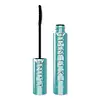 Key Ingredients
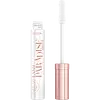
Benefits
Concerns
Ingredients Side-by-side
Isododecane
EmollientOryza Sativa Cera
Skin ConditioningOryza Sativa Bran Wax
Skin Conditioning


Cera Alba
Emollient


Disteardimonium Hectorite
StabilisingDilinoleic Acid/Butanediol Copolymer
Water
Skin ConditioningAllyl Stearate/Va Copolymer
Dimer Dilinoleyl Dimer Dilinoleate
EmollientAlcohol Denat.
Antimicrobial


Polyvinyl Laurate
Vp/Eicosene Copolymer
Propylene Carbonate
SolventCopernicia Cerifera Cera
Emollient
Hydrogenated Jojoba Oil
Abrasive

Ethylenediamine/Stearyl Dimer Dilinoleate Copolymer
Skin Conditioning
PEG-30 Glyceryl Stearate
Emulsifying
Pentaerythrityl Tetra-Di-T-Butyl Hydroxyhydrocinnamate
Antioxidant
Tocopherol
Antioxidant





Isododecane, Oryza Sativa Cera, Oryza Sativa Bran Wax, Cera Alba, Disteardimonium Hectorite, Dilinoleic Acid/Butanediol Copolymer, Water, Allyl Stearate/Va Copolymer, Dimer Dilinoleyl Dimer Dilinoleate, Alcohol Denat., Polyvinyl Laurate, Vp/Eicosene Copolymer, Propylene Carbonate, Copernicia Cerifera Cera, Hydrogenated Jojoba Oil, Ethylenediamine/Stearyl Dimer Dilinoleate Copolymer, PEG-30 Glyceryl Stearate, Pentaerythrityl Tetra-Di-T-Butyl Hydroxyhydrocinnamate, Tocopherol
Water
Skin ConditioningPolybutene
Paraffin
Skin Conditioning
Potassium Cetyl Phosphate
EmulsifyingBeeswax
Emulsion Stabilising
Copernicia Cerifera Cera
Emollient
Steareth-2
EmulsifyingCetyl Alcohol
Emollient

Alcohol Denat.
Antimicrobial
Phenoxyethanol
Preservative
Hydroxyethylcellulose
Emulsion StabilisingAcacia Senegal Gum
MaskingPanthenol
Skin Conditioning

Ethylenediamine/Stearyl Dimer Dilinoleate Copolymer
Skin Conditioning
Caprylyl Glycol
Emollient
Hydrogenated Jojoba Oil
Abrasive
Hydrogenated Palm Oil
Emollient
2-Oleamido-1,3-Octadecanediol
Skin ConditioningDisodium EDTA
ChelatingBHT
Antioxidant
Parfum
Masking

Rosa Canina Fruit Oil
Emollient
Stearyl Alcohol
Emollient
Myristyl Alcohol
Emollient
Pentaerythrityl Tetra-Di-T-Butyl Hydroxyhydrocinnamate
Antioxidant
Propylene Glycol
Humectant
Propyl Gallate
Antioxidant
Citric Acid
Buffering
CI 75470
Cosmetic ColorantWater, Polybutene, Paraffin, Potassium Cetyl Phosphate, Beeswax, Copernicia Cerifera Cera, Steareth-2, Cetyl Alcohol, Alcohol Denat., Phenoxyethanol, Hydroxyethylcellulose, Acacia Senegal Gum, Panthenol, Ethylenediamine/Stearyl Dimer Dilinoleate Copolymer, Caprylyl Glycol, Hydrogenated Jojoba Oil, Hydrogenated Palm Oil, 2-Oleamido-1,3-Octadecanediol, Disodium EDTA, BHT, Parfum, Rosa Canina Fruit Oil, Stearyl Alcohol, Myristyl Alcohol, Pentaerythrityl Tetra-Di-T-Butyl Hydroxyhydrocinnamate, Propylene Glycol, Propyl Gallate, Citric Acid, CI 75470
Ingredients Explained
These ingredients are found in both products.
Ingredients higher up in an ingredient list are typically present in a larger amount.
Alcohol Denat. is an alcohol with a denaturant property. It is created by mixing ethanol with other additives.
The "denat" part just means "denatured"; common denaturants include Denatonium Benzoate, t-butyl alcohol, and Diethyl Phthalate. This step makes the alcohol undrinkable (and lets brand skip taxes related to beverage alcohol).
This ingredient gets a bad rep because it is irritating and drying due to its astringent property. Astringents draw out natural oils in tissue to constrict pores and dry out your skin.
However, alcohol denat. is not all that bad.
Due to its low molecular weight, alcohol denat. tends to evaporate quickly. One study on pig skin found half of applied alcohol evaporated in 10 seconds and less than 3% stayed on skin.
This also helps other ingredients become better absorbed upon application.
Studies are conflicted about whether this ingredient causes skin dehydration. One study from 2005 found adding emollients to propanol-based sanitizer decreased skin dryness and irritation. Another study found irritation only occurs if your skin is already damaged.
Small amounts of alcohol are generally tolerated by oily skin or people who live in humid environments.
The rule of thumb is this ingredient will probably not affect your skin much if it is near the end of an ingredients list.
One thing to note:
People with ALDH2 (aldehyde dehydrogenase 2) deficiency may experience skin irritation from continued alcohol use. About 8% of the world's population have this deficiency.
The Cosmetic Ingredient Review Expert Panel has determined denatured alcohols to be safe for use in concentrations between 0.05% and 12% (depending on which denaturant is used).
Also...
This ingredient has antimicrobial and solvent properties.
The antimicrobial property helps preserve products and increase their shelf life. As a solvent, it helps dissolve other ingredients.
Look for formulas that contain glycerin, hyaluronic acid, or panthenol if you want to offset any drying effect.
This ingredient will trip away your skin's natural oils/lipids that help it lock in moisture. This can worsen dryness, trigger eczema flare-ups, and aggravate rosacea.
Be sure to patch test any product with this ingredient if you have dry or sensitive skin, eczema, or rosacea.
Learn more about Alcohol Denat.This ingredient comes from a palm tree native to Brazil. This ingredient is used to thicken texture and leaves behind a film when applied.
Ethylenediamine/Stearyl Dimer Dilinoleate Copolymer isn't fungal acne safe.
Hydrogenated Jojoba Oil is the "hardened version" of jojoba oil; jojoba oil is technically not an oil at all but a liquid wax that has a structure similar to your skin's own sebum.
Adding hydrogen turns this liquid wax into a colorless, odorless, hard wax with a melting point of around 70°C. This is why you'll see it in "stick formulations" like lipstick, eyeliner, and lip balm.
It also acts as a cushiony emollient and skin conditioning agent that leaves skin soft and smooth.
The safety profile of this ingredient is reassuring; the Cosmetic Ingredient Review Expert Panel has concluded this ingredient to be safe in cosmetics and that it isn't am irritant or sensitizer.
Typical use levels range from 1% up to 25-31% in stick products.
Learn more about Hydrogenated Jojoba OilPentaerythrityl Tetra-Di-T-Butyl Hydroxyhydrocinnamate (long name, huh?) is a synthetic antioxidant.
It is used to help stabilize other antioxidants or prevent the color from changing in a product.
As an antioxidant, it helps fight free-radical molecules. Free-radical molecules are capable of damaging our cells and other genetic material. Thus, antioxidants may reduce the signs of aging.
This ingredient is oil-soluble.
Learn more about Pentaerythrityl Tetra-Di-T-Butyl HydroxyhydrocinnamateWater. It's the most common cosmetic ingredient of all. You'll usually see it at the top of ingredient lists, meaning that it makes up the largest part of the product.
So why is it so popular? Water most often acts as a solvent - this means that it helps dissolve other ingredients into the formulation.
You'll also recognize water as that liquid we all need to stay alive. If you see this, drink a glass of water. Remember to stay hydrated!
Learn more about Water

