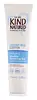
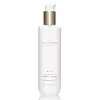
Kind Natured Coconut Milk & Cotton Hydrating Micellar Cleansing Gel Versus Rituals Cosmetics The Ritual of Namaste 3-1 Micellar Water
This gel cleanser uses mild cleansing ingredients, but contains alcohol that may feel drying for some.
This micellar cleanser uses mild cleansing ingredients, but contains alcohol that may feel drying for some.


What's inside
What's inside
 Key Ingredients
No key ingredients
Benefits
Concerns
Ingredients Side-by-side
Water
Skin ConditioningCaprylyl/Capryl Glucoside
CleansingGlycerin
Humectant


Aloe Barbadensis Leaf Juice
Skin Conditioning

Propanediol
Solvent
Polyglyceryl-4 Caprate
EmulsifyingCoco-Glucoside
Cleansing
Carbomer
Emulsion StabilisingBenzyl Alcohol
Perfuming






Parfum
Masking
Salicylic Acid
Masking






Saccharide Isomerate
Humectant
Sodium Hydroxide
BufferingSodium Phytate
ChelatingCocos Nucifera Fruit Extract
Emollient
Sorbic Acid
Preservative
Gossypium Herbaceum Seed Extract
Skin ConditioningAvena Strigosa Seed Extract
Skin ConditioningLecithin
Emollient
Citric Acid
Buffering
Sodium Citrate
BufferingPotassium Sorbate
Preservative
Sodium Benzoate
Masking
Linalool
Perfuming
Butylphenyl Methylpropional
Perfuming
Water, Caprylyl/Capryl Glucoside, Glycerin, Aloe Barbadensis Leaf Juice, Propanediol, Polyglyceryl-4 Caprate, Coco-Glucoside, Carbomer, Benzyl Alcohol, Parfum, Salicylic Acid, Saccharide Isomerate, Sodium Hydroxide, Sodium Phytate, Cocos Nucifera Fruit Extract, Sorbic Acid, Gossypium Herbaceum Seed Extract, Avena Strigosa Seed Extract, Lecithin, Citric Acid, Sodium Citrate, Potassium Sorbate, Sodium Benzoate, Linalool, Butylphenyl Methylpropional
Water
Skin ConditioningRosa Damascena Flower Water
Masking
Glycerin
Humectant
Nelumbo Nucifera Flower Extract
Skin ConditioningPolyglyceryl-4 Caprate
EmulsifyingSaccharide Isomerate
Humectant
Heptyl Glucoside
SurfactantCaprylyl/Capryl Glucoside
CleansingHeptanol
Perfuming
Citric Acid
Buffering
Sodium Citrate
BufferingSodium Hydroxide
BufferingPotassium Sorbate
Preservative
Sodium Benzoate
Masking
Sodium Dehydroacetate
Preservative
Benzyl Alcohol
Perfuming
Water, Rosa Damascena Flower Water, Glycerin, Nelumbo Nucifera Flower Extract, Polyglyceryl-4 Caprate, Saccharide Isomerate, Heptyl Glucoside, Caprylyl/Capryl Glucoside, Heptanol, Citric Acid, Sodium Citrate, Sodium Hydroxide, Potassium Sorbate, Sodium Benzoate, Sodium Dehydroacetate, Benzyl Alcohol
Ingredients Explained
These ingredients are found in both products.
Ingredients higher up in an ingredient list are typically present in a larger amount.
Benzyl Alcohol is an aromatic alcohol with several roles: it's a preservative, solvent, and mild fragrance component with a floral scent.
This ingredient has been deemed safe for use in cosmetic formulations at concentrations up to 5%, and up to 10% in hair dyes. You'll typically see 0.5-2% in most rinse-off or leave-on products.
As a preservative, it works by disrupting the membrane of microbial proteins. This helps keep bacteria and fungi from growing in your products.
The sensitization picture is actually quite assuring as well:of nearly 71,000 patients patch tested with benzyl alcohol, only 0.21% showed a positive reaction with most of them being weakly positive.
This led researchers to conclude that benzyl alcohol cannot be regarded as a significant contact allergen.
It is worth noting this ingredient is classified as one of the EU's regulated fragrance allergens and restricted to 1% in finished products.
Labels must also declare it in concentrations above 0.001% in leave-on products and 0.01% in rinse-off products.
At concentrations around 5%, localized redness and itching can appear as a direct irritant response and not as a true allergic reaction.
Learn more about Benzyl AlcoholThis ingredient is a mild surfactant made by sticking glucose onto a blend of fatty acids.
It does two jobs because it has a sugar head that loves water and a fatty tail that loves oil:
Typical use levels range from 10-20% in cleansers and 15-30% in shower products.
Once on your skin, your skin's glucoside hydrolases breaks it down into glucose and the parent fatty alcohols.
This ingredient is considered fungal acne safe because its fatty alcohol portion sits outside the Malassezia yeast's metabolization range.
Learn more about Caprylyl/Capryl GlucosideCitric Acid is an alpha hydroxy acid (AHA) naturally found in citrus fruits like oranges, lemons, and limes.
Like other AHAs, citric acid can exfoliate skin by breaking down the bonds that hold dead skin cells together. This helps reveal smoother and brighter skin underneath.
However, this exfoliating effect only happens at high concentrations (20%) which can be hard to find in cosmetic products.
Due to this, citric acid is usually included in small amounts as a pH adjuster. This helps keep products slightly more acidic and compatible with skin's natural pH.
In skincare formulas, citric acid can:
While it can provide some skin benefits, research shows lactic acid and glycolic acid are generally more effective and less irritating exfoliants.
Most citric acid used in skincare today is made by fermenting sugars (usually from molasses). This synthetic version is identical to the natural citrus form but easier to stabilize and use in formulations.
Rosacea skin has a lower threshold for acids generally, with 62.5% of rosacea subjects in one study reacting to lactic acid in a sting test. This is why we mark citric acid as a potential rosacea trigger.
However, this ingredient shows up as a pH adjuster or chelator at roughly 0.1-1% in many products. These low levels are unlikely to be an issue for rosacea skin and becomes a potential trigger at exfoliating concentrations (20%). Because everybody's skin is unique, we recommend a patch test if you are unsure.
Learn more about Citric AcidGlycerin (or glycerol) is a compound naturally found in your skin. It's a powerhouse humectant that pulls water into the stratum corneum.
Topically, glycerin does several things at once:
Your skin makes glycerin on its own (mostly from sebaceous oil breakdown) and shuttles it to your outermost layer of skin, or your epidermis, via aquaporin-3.
Aquaporin-3 is a transporter that is essential for normal skin hydration, elasticity, and repair. Interestingly, mice lacking in AQP3 have dry and less elastic skin that can be fully corrected with glycerin.
This ingredient is non-irritating, plays well with almost every ingredient, and works across all skin types. Typical use is anywhere between 3-10% but can go up to 79% in some leave-on products.
Just know very high concentrations (>40%) can feel tacky in low humidity.
Glycerin is the name for this ingredient in American English. British English uses Glycerol/Glycerine.
Learn more about GlycerinPolyglyceryl-4 Caprate comes from Capric Acid and Polyglycerin-4. It is an emulsifier.
Emulsifiers help stabilize a product. They do this by preventing ingredients from separating, such as oils and water which do not mix naturally.
Potassium Sorbate is a preservative used to prevent yeast and mold in products. It is commonly found in both cosmetic and food products.
This ingredient comes from potassium salt derived from sorbic acid. Sorbic acid is a natural antibiotic and effective against fungus.
Both potassium sorbate and sorbic acid can be found in baked goods, cheeses, dried meats, dried fruit, ice cream, pickles, wine, yogurt, and more.
You'll often find this ingredient used with other preservatives.
Learn more about Potassium SorbateSaccharide Isomerate comes from sugars found in corn. It is a skin hydrator.
The structure of this ingredient can be altered to be more similar to the carbohydrates found in our skin. This ability to mimic our skin gives it hydrating properties.
Specifically, saccharide Isomerate is a humectant. Humectants draw moisture from the air to our skin.
Research shows Saccharide Isomerate to be an effective moisturizer.
Learn more about Saccharide IsomerateSodium Benzoate is a preservative. It's used in both cosmetic and food products to inhibit the growth of mold and bacteria. It is typically produced synthetically.
Both the US FDA and EU Health Committee have approved the use of sodium benzoate. In the US, levels of 0.1% (of the total product) are allowed.
Sodium benzoate works as a preservative by inhibiting the growth of bacteria inside of cells. It prevents the cell from fermenting a type of sugar using an enzyme called phosphofructokinase.
It is the salt of benzoic acid. Foods containing sodium benzoate include soda, salad dressings, condiments, fruit juices, wines, and snack foods.
Studies for using ascorbic acid and sodium benzoate in cosmetics are lacking, especially in skincare routines with multiple steps.
We always recommend speaking with a professional, such as a dermatologist, if you have any concerns.
Learn more about Sodium BenzoateSodium Citrate is the sodium salts of citric acid. In skincare, it is used to alter pH levels and acts as a preservative.
Its main functions are to maintain the pH of a product and neutralize metal ions.
The acidity of our skin is maintained by our glands and skin biome; normal pH level of skin is slightly acidic (~4.75-5.5).
Being slightly acidic allows our skin to create an "acid mantle". This acid mantle is a thin barrier that protects our skin from bacteria and contaminants.
Learn more about Sodium CitrateSodium Hydroxide is also known as lye or caustic soda. It is used to adjust the pH of products; many ingredients require a specific pH to be effective.
In small amounts, sodium hydroxide is considered safe to use. However, large amounts may cause chemical burns due to its high alkaline.
Your skin has a natural pH and acid mantle. This acid mantle helps prevent harmful bacteria from breaking through. The acid mantle also helps keep your skin hydrated.
"Alkaline" refers to a high pH level. A low pH level would be considered acidic.
Learn more about Sodium HydroxideWater. It's the most common cosmetic ingredient of all. You'll usually see it at the top of ingredient lists, meaning that it makes up the largest part of the product.
So why is it so popular? Water most often acts as a solvent - this means that it helps dissolve other ingredients into the formulation.
You'll also recognize water as that liquid we all need to stay alive. If you see this, drink a glass of water. Remember to stay hydrated!
Learn more about Water


