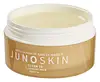
This oil-based makeup remover is made to dissolve makeup, sunscreen, and daily buildup.
This oil-based makeup remover is made to dissolve makeup, sunscreen, and daily buildup.

What's inside
What's inside
 Key Ingredients
Benefits
Concerns
Ingredients Side-by-side

Cetyl Ethylhexanoate
EmollientHelianthus Annuus Seed Oil
Emollient



Polyglyceryl-6 Dicaprate
EmulsifyingHelianthus Annuus Seed Wax
Skin Conditioning
Polyglyceryl-10 Dioleate
Emulsifying
Stearyl Behenate
Emollient
C10-18 Triglycerides
Emollient
Polyhydroxystearic Acid
Emulsifying
Moringa Oleifera Seed Oil
Emollient


Ocimum Sanctum Leaf Extract
Skin ConditioningEruca Sativa Leaf Extract
Skin ConditioningCarica Papaya Fruit Extract
Skin ConditioningZingiber Officinale Root Oil
Masking


Linum Usitatissimum Seed Oil
Perfuming
Brassica Campestris Seed Oil
Skin Conditioning
Sorbitan Sesquioleate
Emulsifying
Citrus Aurantium Dulcis Peel Oil
Masking
Cananga Odorata Flower Oil
Masking
Citrus Aurantium Bergamia Fruit Oil
Masking
Citrus Aurantifolia Oil
Cleansing
Stearoyl Glutamic Acid
CleansingCaprylic/Capric Triglyceride
Masking

Glyceryl Laurate
Emollient
Tocopherol
Antioxidant





Lecithin
Emollient
CI 77288
Cosmetic ColorantCitral
Perfuming
Limonene
Perfuming
Linalool
Perfuming
Cetyl Ethylhexanoate, Helianthus Annuus Seed Oil, Polyglyceryl-6 Dicaprate, Helianthus Annuus Seed Wax, Polyglyceryl-10 Dioleate, Stearyl Behenate, C10-18 Triglycerides, Polyhydroxystearic Acid, Moringa Oleifera Seed Oil, Ocimum Sanctum Leaf Extract, Eruca Sativa Leaf Extract, Carica Papaya Fruit Extract, Zingiber Officinale Root Oil, Linum Usitatissimum Seed Oil, Brassica Campestris Seed Oil, Sorbitan Sesquioleate, Citrus Aurantium Dulcis Peel Oil, Cananga Odorata Flower Oil, Citrus Aurantium Bergamia Fruit Oil, Citrus Aurantifolia Oil, Stearoyl Glutamic Acid, Caprylic/Capric Triglyceride, Glyceryl Laurate, Tocopherol, Lecithin, CI 77288, Citral, Limonene, Linalool
Reviews
Ingredients Explained
These ingredients are found in both products.
Ingredients higher up in an ingredient list are typically present in a larger amount.
Caprylic/Capric Triglyceride (aka MCT Oil) is a lightweight emollient, solvent, and texture enhancer. It is considered a skin-softener by helping to prevent moisture loss.
Though it behaves like an oil, it is not technically one due to its chemical composition. One perk of this ingredient is that it is very stable, resistant to oxidation, and unlikely to go rancid.
In practice, that translates to a long shelf life and a consistently elegant skin feel.
While there is an assumption Caprylic Triglyceride can clog pores due to it being derived from coconut oil, there is no research supporting this. Just patch test if you have concerns.
Fractionated coconut oil and MCT Oil are both listed as Caprylic/Capric Triglyceride according to INCI. This is because INCI names are based on the ingredient’s final chemical composition and not its marketing name or source.
This ingredient is treated as the gold standard fungal acne safe oil. Even though it is coconut derived, the problematic lauric acid is stripped out.
This leaves just caprylic (C8) and capric (C10) acid. These chain lengths actually trend antifungal; a 2020 study found caprylic acid was enough to disrupt Malassezia furfur cell membrane, with a caprylic acid derivative damaging membrane structures at concentrations as low as 0.2%.
Learn more about Caprylic/Capric TriglycerideCitrus Aurantium Dulcis Peel Oil is oil from the peel of an orange fruit.
Limonene and linalool make up the majority of oils from citrus peels. Limonene has a "citrus" fragrance. Citrus peels also contain flavonoids, which have anti-inflammatory properties.
Citrus peel is also a rich source of flavonoids. Flavonoids are natural antioxidants and help protect your skin against damage. Flavonoids are a group of compounds naturally found in vegetables and fruits.
The term 'fragrance' is not regulated in many countries. In many cases, it is up to the brand to define this term. For instance, many brands choose to label themselves as "fragrance-free" because they are not using synthetic fragrances. However, their products may still contain ingredients such as essential oils that are considered a fragrance.
Learn more about Citrus Aurantium Dulcis Peel Oil

