Judydoll Lip Oil Versus Tirtir My Glow Lip Oil


What's inside
What's inside
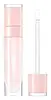 Key Ingredients
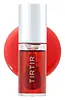
Benefits
Concerns
Ingredients Side-by-side
Tridecyl Trimellitate
EmollientPolyisobutene
Caprylic/Capric Triglyceride
Masking


Diisostearyl Malate
EmollientPolyglyceryl-2 Triisostearate
Emulsifying

Dimethicone Silylate

Microcrystalline Wax
Emulsion StabilisingSimmondsia Chinensis Seed Oil
Emollient

Phenoxyethanol
Preservative
Tocopheryl Acetate
Antioxidant


Bisabolol
Antioxidant

Aroma


Ceramide NP
Skin Conditioning

Menthol
Masking



CI 77492
Cosmetic ColorantZingiber Officinale Root Extract
Masking
CI 77491
Cosmetic ColorantCI 15850
Cosmetic ColorantTridecyl Trimellitate, Polyisobutene, Caprylic/Capric Triglyceride, Diisostearyl Malate, Polyglyceryl-2 Triisostearate, Dimethicone Silylate, Microcrystalline Wax, Simmondsia Chinensis Seed Oil, Phenoxyethanol, Tocopheryl Acetate, Bisabolol, Aroma, Ceramide NP, Menthol, CI 77492, Zingiber Officinale Root Extract, CI 77491, CI 15850
Polyglyceryl-2 Isostearate/Dimer Dilinoleate Copolymer
EmollientPolyglyceryl-2 Triisostearate
Emulsifying
Caprylic/Capric Triglyceride
Masking
Isostearic Acid
Cleansing
Simmondsia Chinensis Seed Oil
Emollient
Silica Dimethyl Silylate
EmollientDiisopropyl Sebacate
EmollientTuna Extract
Skin Conditioning1,2-Hexanediol
Skin Conditioning
Melia Azadirachta Leaf Extract
Skin ConditioningHippophae Rhamnoides Fruit Oil
Skin Protecting
Parfum
Masking
Ethylhexylglycerin
Skin ConditioningJuglans Regia Seed Oil
Skin Conditioning
Pentaerythrityl Tetra-Di-T-Butyl Hydroxyhydrocinnamate
Antioxidant
Melia Azadirachta Flower Extract
Skin ConditioningCI 45410
Cosmetic ColorantCoccinia Indica Fruit Extract
Skin Conditioning
Solanum Melongena Fruit Extract
Skin ConditioningAloe Barbadensis Flower Extract
EmollientCurcuma Longa Root Extract
Antioxidant
Corallina Officinalis Extract
Skin Conditioning
Ocimum Basilicum Leaf Extract
Skin ConditioningCamellia Seed Oil
Calendula Officinalis Flower Extract
Masking
Rosa Damascena Flower Oil
Masking
Tocopherol
Antioxidant
Polyglyceryl-2 Isostearate/Dimer Dilinoleate Copolymer, Polyglyceryl-2 Triisostearate, Caprylic/Capric Triglyceride, Isostearic Acid, Simmondsia Chinensis Seed Oil, Silica Dimethyl Silylate, Diisopropyl Sebacate, Tuna Extract, 1,2-Hexanediol, Melia Azadirachta Leaf Extract, Hippophae Rhamnoides Fruit Oil, Parfum, Ethylhexylglycerin, Juglans Regia Seed Oil, Pentaerythrityl Tetra-Di-T-Butyl Hydroxyhydrocinnamate, Melia Azadirachta Flower Extract, CI 45410, Coccinia Indica Fruit Extract, Solanum Melongena Fruit Extract, Aloe Barbadensis Flower Extract, Curcuma Longa Root Extract, Corallina Officinalis Extract, Ocimum Basilicum Leaf Extract, Camellia Seed Oil, Calendula Officinalis Flower Extract, Rosa Damascena Flower Oil, Tocopherol
Reviews
Ingredients Explained
These ingredients are found in both products.
Ingredients higher up in an ingredient list are typically present in a larger amount.
Caprylic/Capric Triglyceride (aka MCT Oil) is a lightweight emollient, solvent, and texture enhancer. It is considered a skin-softener by helping to prevent moisture loss.
Though it behaves like an oil, it is not technically one due to its chemical composition. One perk of this ingredient is that it is very stable, resistant to oxidation, and unlikely to go rancid.
In practice, that translates to a long shelf life and a consistently elegant skin feel.
While there is an assumption Caprylic Triglyceride can clog pores due to it being derived from coconut oil, there is no research supporting this. Just patch test if you have concerns.
Fractionated coconut oil and MCT Oil are both listed as Caprylic/Capric Triglyceride according to INCI. This is because INCI names are based on the ingredient’s final chemical composition and not its marketing name or source.
This ingredient is treated as the gold standard fungal acne safe oil. Even though it is coconut derived, the problematic lauric acid is stripped out.
This leaves just caprylic (C8) and capric (C10) acid. These chain lengths actually trend antifungal; a 2020 study found caprylic acid was enough to disrupt Malassezia furfur cell membrane, with a caprylic acid derivative damaging membrane structures at concentrations as low as 0.2%.
Learn more about Caprylic/Capric TriglyceridePolyglyceryl-2 Triisostearate is a plant-derived emulsifier and pigment-dispersing agent with a non-sticky skin feel.
It helps products glide on smoothly and prevents oil and water from separating in a formula, making it suitable for sunscreen and makeup formulations.
The EU inventory of cosmetics has no use restrictions on this ingredient and it is considered well-tolerated.
This ingredient may not be fungal acne safe because it is derived from isostearic acid.
Learn more about Polyglyceryl-2 TriisostearateJojoba oil is one of the most well-studied plant-derived ingredients in cosmetics. It is an emollient with a special structure.
Because it is made up of 97-98% wax esters, it closely mirrors the linear monoesters found in human sebum. This makes it skin compatible, non-greasy, and lightweight.
Unlike other plant oils, jojoba wax doesn't easily penetrate skin. It mostly works in the uppermost layers as an emollient. This just means it forms a light barrier on the skin to help retain moisture.
Formulations with jojoba esters up to 90% reduced transepidermal water loss (TEWL) and increased barrier recovery by 81% (outperforming bisabolol at 47%).
Besides barrier support, the science also suggests jojoba to have anti-inflammatory effects and potential applications for skin infections, aging, and wound healing.
Fun fact: Indigenous cultures have used jojoba as a moisturizer and to help treat burns for centuries.
Fungal acne: The Malassezia yeast is known to metabolize fatty acids in the C11-24 range and jojoba's dominant fatty acid components fall into this range. This ingredient may not be fungal acne safe.
Learn more about Simmondsia Chinensis Seed Oil

