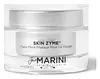
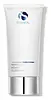
This wash off mask is made with Carthamus Tinctorius Seed Oil for a rinse-off hydration boost.

What's inside
What's inside
 Key Ingredients
Benefits
Concerns
Ingredients Side-by-side
Water
Skin ConditioningButylene Glycol
Humectant

Carthamus Tinctorius Seed Oil
Masking


Mel
EmollientCarica Papaya Fruit Extract
Skin ConditioningCetearyl Alcohol
Emollient




Sorbitan Stearate
Emulsifying
Ceteareth-20
Cleansing
Alcohol
Antimicrobial


Cetyl Alcohol
Emollient
Citrus Aurantium Dulcis Flower Extract
Skin ConditioningTocopheryl Acetate
Antioxidant


Caprylyl Glycol
Emollient
Ethylhexylglycerin
Skin ConditioningHexylene Glycol
EmulsifyingBHT
Antioxidant
Carbomer
Emulsion StabilisingParfum
Masking

Limonene
Perfuming
Citral
Perfuming
Linalool
Perfuming
Triethanolamine
BufferingPhenoxyethanol
Preservative
CI 19140
Cosmetic ColorantCI 15985
Cosmetic ColorantCI 61570
Cosmetic ColorantWater, Butylene Glycol, Carthamus Tinctorius Seed Oil, Mel, Carica Papaya Fruit Extract, Cetearyl Alcohol, Sorbitan Stearate, Ceteareth-20, Alcohol, Cetyl Alcohol, Citrus Aurantium Dulcis Flower Extract, Tocopheryl Acetate, Caprylyl Glycol, Ethylhexylglycerin, Hexylene Glycol, BHT, Carbomer, Parfum, Limonene, Citral, Linalool, Triethanolamine, Phenoxyethanol, CI 19140, CI 15985, CI 61570
Glycerin
Humectant
Mel
EmollientMyristic Acid
Cleansing
Olive Oil PEG-7 Esters
Emollient
Papain
Skin Conditioning

Polyglyceryl-10 Behenate/Eicosadioate
EmulsifyingRoyal Jelly
Camellia Sinensis Leaf Extract
Antimicrobial



Polysorbate 80
Emulsifying
Sodium Lauryl Sulfoacetate
CleansingPropolis Extract
Skin Conditioning

Triethanolamine
Buffering1,2-Hexanediol
Skin Conditioning
Caprylyl Glycol
Emollient
Reviews
Alternatives
Ingredients Explained
These ingredients are found in both products.
Ingredients higher up in an ingredient list are typically present in a larger amount.
Caprylyl Glycol is a humectant, skin conditioner, emollient, and preservative booster derived from either caprylic acid or synthetically created.
Typical use levels vary from 0.3-1% as a preservative booster and go up to 2% to condition skin.
Because it is not a free-fatty acid, this ingredient is fungal acne safe (there's nothing for Malassezia to feed on).
Learn more about Caprylyl GlycolThis ingredient is another INCI name for honey.
Honey mostly shows up in skincare as a humectant and skin conditioning agent. This is because its natural sugars (fructose and glucose) help hold onto water so skin feels softer and more hydrated.
Beyond hydration, honey also has antibacterial and wound-supporting properties. Its antibacterial action comes from a mix of things:
Manuka-type honey has an extra bacteria-killing compound called methylglyoxal, while all Honey contains a natural antibacterial protein called bee defensin-1.
Honey also nudges your immune cells to release signals that start the healing process. This is why medical-grade Honey is actually used in real wound dressings.
Just keep in mind that most of the strong clinical evidence is for wound care and not everyday cosmetic claims.
On concentrations and safety:
According to industry data, honey is used up to 22% in paste/mud packs, 7% as a honey extract in body/hand products, and face skincare levels sit well below that.
A human repeat insult patch test of 7% honey extract in 112 subjects showed no sensitization.
Allergy-wise, honey itself is a rare sensitizer. The bigger culprit is usually propolis that sometimes tags along in less-refined honey.
People allergic to propolis, conifer, poplar, salicylates, or Balsam of Peru are advised to avoid this ingredient due to shared allergens.
You might see this ingredient listed as either Honey or Mel. (they're the same thing). Mel is simply the Latin word for honey.
A lot of people wonder if Honey is vegan, and technically it isn't.
Honey is made by bees; they gather nectar and their natural enzymes turn it into the Honey we know. So because it comes from an animal, it doesn't fit a vegan lifestyle.
And please remember to be kind to bees :). They're vital to so many ecosystems, and many species are struggling so they're worth protecting.
Learn more about MelTriethanolamine (TEA) is an emulsifier and pH adjuster. It is created using ethylene oxide and ammonia. This gives Triethanolamine a nitrogen core and a similar scent to ammonia.
As an emulsifier, it prevents ingredients from separating and enhances texture by adding volume to a product.
PH adjusters are common in cosmetic products. The pH of a product can affect the effectiveness of other ingredients. A product with a high pH may also irritate the skin.
If you are looking for the tea leaf ingredient, click here.
Learn more about Triethanolamine

