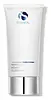
This benzoyl peroxide gel cleanser is formulated around Benzoyl Peroxide to clear breakouts and help reduce acne-causing bacteria.

What's inside
What's inside
 Key Ingredients
Benefits
Concerns
Ingredients Side-by-side
Glycerin
Humectant


Mel
EmollientMyristic Acid
Cleansing



Olive Oil PEG-7 Esters
Emollient
Papain
Skin Conditioning

Polyglyceryl-10 Behenate/Eicosadioate
EmulsifyingRoyal Jelly
Camellia Sinensis Leaf Extract
Antimicrobial





Polysorbate 80
Emulsifying
Sodium Lauryl Sulfoacetate
CleansingPropolis Extract
Skin Conditioning

Triethanolamine
Buffering1,2-Hexanediol
Skin Conditioning
Caprylyl Glycol
Emollient
Benzoyl Peroxide 5%



Water
Skin ConditioningSodium Cocoyl Isethionate
Cleansing
Cocamidopropyl Betaine
Cleansing
Glycerin
Humectant
Cocamidopropyl Hydroxysultaine
Cleansing
Acetyl Glucosamine
Skin Conditioning
Aloe Barbadensis Leaf Juice
Skin Conditioning
Sodium Methyl Cocoyl Taurate
Cleansing
Xylitol
Humectant
Xanthan Gum
EmulsifyingAcrylates/C10-30 Alkyl Acrylate Crosspolymer
Emulsion StabilisingPhenoxyethanol
Preservative
Sodium Benzoate
Masking
Sodium Phosphate
BufferingSodium Citrate
BufferingPropanediol
Solvent
Diethylhexyl Sodium Sulfosuccinate
CleansingCarbomer
Emulsion StabilisingSodium Hydroxide
BufferingBenzoyl Peroxide 5%, Water, Sodium Cocoyl Isethionate, Cocamidopropyl Betaine, Glycerin, Cocamidopropyl Hydroxysultaine, Acetyl Glucosamine, Aloe Barbadensis Leaf Juice, Sodium Methyl Cocoyl Taurate, Xylitol, Xanthan Gum, Acrylates/C10-30 Alkyl Acrylate Crosspolymer, Phenoxyethanol, Sodium Benzoate, Sodium Phosphate, Sodium Citrate, Propanediol, Diethylhexyl Sodium Sulfosuccinate, Carbomer, Sodium Hydroxide
Reviews
Alternatives
Ingredients Explained
These ingredients are found in both products.
Ingredients higher up in an ingredient list are typically present in a larger amount.
Glycerin (or glycerol) is a compound naturally found in your skin. It's a powerhouse humectant that pulls water into the stratum corneum.
Topically, glycerin does several things at once:
Your skin makes glycerin on its own (mostly from sebaceous oil breakdown) and shuttles it to your outermost layer of skin, or your epidermis, via aquaporin-3.
Aquaporin-3 is a transporter that is essential for normal skin hydration, elasticity, and repair. Interestingly, mice lacking in AQP3 have dry and less elastic skin that can be fully corrected with glycerin.
This ingredient is non-irritating, plays well with almost every ingredient, and works across all skin types. Typical use is anywhere between 3-10% but can go up to 79% in some leave-on products.
Just know very high concentrations (>40%) can feel tacky in low humidity.
Glycerin is the name for this ingredient in American English. British English uses Glycerol/Glycerine.
Learn more about Glycerin

