This tanning is formulated to hydrate skin.
This tanning is formulated to hydrate skin.

What's inside
What's inside
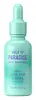 Key Ingredients
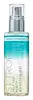
Benefits
Concerns
Ingredients Side-by-side
Water
Skin ConditioningDihydroxyacetone
Skin ConditioningGlycerin
Humectant


Polysorbate 80
Emulsifying

Sodium Hyaluronate
Humectant


Hyaluronic Acid
Humectant
Niacinamide
Smoothing







Azelaic Acid
Buffering
Maltodextrin
Absorbent
Tocopheryl Acetate
Antioxidant

Biosaccharide Gum-1
Humectant
Butylene Glycol
Humectant
Dipotassium Glycyrrhizate
Humectant
1,2-Hexanediol
Skin Conditioning
Bacillus
Skin ConditioningXanthan Gum
EmulsifyingSodium Metabisulfite
Antioxidant
Phenoxyethanol
Preservative
Triethylene Glycol
Masking

Water, Dihydroxyacetone, Glycerin, Polysorbate 80, Sodium Hyaluronate, Hyaluronic Acid, Niacinamide, Azelaic Acid, Maltodextrin, Tocopheryl Acetate, Biosaccharide Gum-1, Butylene Glycol, Dipotassium Glycyrrhizate, 1,2-Hexanediol, Bacillus, Xanthan Gum, Sodium Metabisulfite, Phenoxyethanol, Triethylene Glycol
Water
Skin ConditioningDihydroxyacetone
Skin ConditioningPEG-40 Hydrogenated Castor Oil
Emulsifying
Phenoxyethanol
Preservative
Benzyl Alcohol
Perfuming



Glycerin
Humectant
Saccharide Isomerate
Humectant
Citrus Nobilis Fruit Extract
MaskingSodium Metabisulfite
Antioxidant
Parfum
Masking
Panthenol
Skin Conditioning
Hydrolyzed Hyaluronic Acid
Humectant
Linalool
Perfuming
Butylene Glycol
Humectant
Limonene
Perfuming
Hexyl Cinnamal
Perfuming
Citronellol
Perfuming
Hibiscus Sabdariffa Flower Extract
Skin ConditioningCitric Acid
Buffering
Sodium Citrate
BufferingPotassium Sorbate
Preservative
Water, Dihydroxyacetone, PEG-40 Hydrogenated Castor Oil, Phenoxyethanol, Benzyl Alcohol, Glycerin, Saccharide Isomerate, Citrus Nobilis Fruit Extract, Sodium Metabisulfite, Parfum, Panthenol, Hydrolyzed Hyaluronic Acid, Linalool, Butylene Glycol, Limonene, Hexyl Cinnamal, Citronellol, Hibiscus Sabdariffa Flower Extract, Citric Acid, Sodium Citrate, Potassium Sorbate
Reviews
Ingredients Explained
These ingredients are found in both products.
Ingredients higher up in an ingredient list are typically present in a larger amount.
Butylene Glycol (or BG) is used within cosmetic products for a few different reasons:
Overall, Butylene Glycol is a safe and well-rounded ingredient that works well with other ingredients.
Though this ingredient works well with most skin types, some people with sensitive skin may experience a reaction such as allergic rashes, closed comedones, or itchiness.
Learn more about Butylene GlycolDihydroxyacetone, or DHA, is the active ingredient in self-tanners.
It's a simply sugar that reacts with the free amino acids in your outermost layer of skin to produce brown-colored compounds called melanoidins.
DHA does not penetrate living skin cells, does not interact with melanocytes, and does not affect actualy melanin production.
There's a "safety controversy" that largely stems from misinterpreted studies:
Once concern is that DHA can generate unstable molecules that can damage cells (free radicals) when exposed to sunlight. This only happens in the outermost layer of dead skin cells and wearing SPF on top takes care of it.
The DNA damage claim comes from lab studies that doused living skin cells in much higher concentrations of DHA than you'd ever find in a self-tanner. That's not really a meaningful comparison to putting self-tanning lotion on your skin.
Regulatory bodies around the world, including the EU's Scientific Committee on Consumer Safety (SCCS) and the U.S. FDA consider it safe for use in cosmetics when applied topically (maximum 10%, and most self-tanners contain between 3-5%).
Learn more about DihydroxyacetoneGlycerin (or glycerol) is a compound naturally found in your skin. It's a powerhouse humectant that pulls water into the stratum corneum.
Topically, glycerin does several things at once:
Your skin makes glycerin on its own (mostly from sebaceous oil breakdown) and shuttles it to your outermost layer of skin, or your epidermis, via aquaporin-3.
Aquaporin-3 is a transporter that is essential for normal skin hydration, elasticity, and repair. Interestingly, mice lacking in AQP3 have dry and less elastic skin that can be fully corrected with glycerin.
This ingredient is non-irritating, plays well with almost every ingredient, and works across all skin types. Typical use is anywhere between 3-10% but can go up to 79% in some leave-on products.
Just know very high concentrations (>40%) can feel tacky in low humidity.
Glycerin is the name for this ingredient in American English. British English uses Glycerol/Glycerine.
Learn more about GlycerinPhenoxyethanol is one of the most widely used preservatives in skincare (and for good reason!).
It has a large spectrum of antimicrobial activity and especially effective bacteria, yeast, and mold while only having a weak effect on your skin's natural microbiome.
On a cellular level, it disrupts the cell membranes of microbes by poking holes that make the cell leak. This shuts down the chemical reactions the microbe needs to make energy so it can no longer survive.
Another perk of this ingredient is that it stays functional across a wide pH range (3-10).
You'll often see it paired with boosters like Ethylhexylglycerin; one study showed that a 1:9 ratio of Ethylhexylglycerin to Phenoxyethanol damages bacterial membranes as effectively as doubling the Phenoxyethanol concentration on its own.
Typical use concentrations range from 0.3-1% depending on the formula, and this ingredient is capped at 1% int the EU.
Safety-wise, the fear mongering does not hold up to the evidence. The EU's Scientific Committee on Consumer Safety and FDA consider it safe as a preservative at up to 1%, including for children of all ages.
Adverse systemic effects only showed up in animal studies at exposures roughly 200x higher than what people get from cosmetics. And despite its very widespread use, this ingredient is a rare sensitizer and allergic reactions are uncommon.
Learn more about PhenoxyethanolSodium metabisulfite is also known as Sodium Pyrosulfite. It is a preservative, antioxidant, and disinfectant.
As a preservative, it helps stabilize cosmetic formulas without affecting their color or scent.
Water. It's the most common cosmetic ingredient of all. You'll usually see it at the top of ingredient lists, meaning that it makes up the largest part of the product.
So why is it so popular? Water most often acts as a solvent - this means that it helps dissolve other ingredients into the formulation.
You'll also recognize water as that liquid we all need to stay alive. If you see this, drink a glass of water. Remember to stay hydrated!
Learn more about Water

