innisfree Youth Enhancing Treatment Essence with Black Tea + Peptides Versus SK-II Facial Treatment Essence (Pitera Essence)
This anti-aging essence is formulated around Niacinamide and Copper Tripeptide-1 to soften the look of wrinkles and brighten dull-looking skin.
This barrier-repair essence is formulated around Galactomyces Ferment Filtrate to strengthen the skin barrier and hydrate skin.


What's inside
What's inside
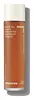 Key Ingredients
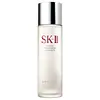
No key ingredients
Benefits
Concerns
Ingredients Side-by-side
Camellia Sinensis Leaf Water 95%
Masking
Water
Skin ConditioningPropanediol
Solvent

Glycerin
Humectant
Niacinamide
Smoothing









1,2-Hexanediol
Skin Conditioning
Camellia Sinensis Leaf Extract
Antimicrobial
Ethylhexylglycerin
Skin ConditioningAdenosine
Skin Conditioning
Dextrin
AbsorbentEctoin
Skin Conditioning
Hyaluronic Acid
Humectant
3-O-Ethyl Ascorbic Acid
Skin Conditioning
Glutathione
Mannitol
Humectant
Saccharomyces Cerevisiae Extract
Skin Conditioning

Butylene Glycol
Humectant
Centella Asiatica Flower/Leaf/Stem Extract
Skin Conditioning
Glycine Max Polypeptide
Skin Conditioning
Arginine/Lysine Polypeptide
Skin Conditioning
Copper Tripeptide-1
Skin Conditioning
Disodium EDTA
ChelatingAcetyl Tetrapeptide-11
Skin Conditioning
Caprylyl Glycol
Emollient
Acetyl Heptapeptide-4
Humectant
Sorbic Acid
Preservative
Hexapeptide-9
Skin Conditioning
Acetyl Hexapeptide-8
Humectant
Sodium Hydroxide
BufferingAcetyl Octapeptide-3
Humectant
Camellia Sinensis Leaf Water 95%, Water, Propanediol, Glycerin, Niacinamide, 1,2-Hexanediol, Camellia Sinensis Leaf Extract, Ethylhexylglycerin, Adenosine, Dextrin, Ectoin, Hyaluronic Acid, 3-O-Ethyl Ascorbic Acid, Glutathione, Mannitol, Saccharomyces Cerevisiae Extract, Butylene Glycol, Centella Asiatica Flower/Leaf/Stem Extract, Glycine Max Polypeptide, Arginine/Lysine Polypeptide, Copper Tripeptide-1, Disodium EDTA, Acetyl Tetrapeptide-11, Caprylyl Glycol, Acetyl Heptapeptide-4, Sorbic Acid, Hexapeptide-9, Acetyl Hexapeptide-8, Sodium Hydroxide, Acetyl Octapeptide-3



Reviews
Ingredients Explained
These ingredients are found in both products.
Ingredients higher up in an ingredient list are typically present in a larger amount.
Butylene Glycol (or BG) is used within cosmetic products for a few different reasons:
Overall, Butylene Glycol is a safe and well-rounded ingredient that works well with other ingredients.
Though this ingredient works well with most skin types, some people with sensitive skin may experience a reaction such as allergic rashes, closed comedones, or itchiness.
Learn more about Butylene GlycolSorbic Acid is a preservative that stops your product from spoiling by stopping microbes from growing.
As a preservative, it's kind of a specialist: it has a broad spectrum of activity against yeast and molds but is weaker against bacteria. That's why it's often paired with another preservative to cover that gap.
This ingredient is also pretty picky about pH; it performs best at pH 6.5 or below.
At the right pH level, sorbic acid is "active" and can slip through the outer wall of a microbe. Once inside, it turns the cell's interior more acidic to shut down the microbe from the inside.
The EU caps this ingredient at 0.6% while the CIR has concluded it's safe at concentrations up to 1%. It's most often used around 0.05-0.2% in cosmetics.
Though this ingredient is considered low-sensitizing and well-tolerated, a very small number of people may have a contact allergy to it. Be sure to patch test if you have a history of allergies towards preservatives.
Learn more about Sorbic AcidWater. It's the most common cosmetic ingredient of all. You'll usually see it at the top of ingredient lists, meaning that it makes up the largest part of the product.
So why is it so popular? Water most often acts as a solvent - this means that it helps dissolve other ingredients into the formulation.
You'll also recognize water as that liquid we all need to stay alive. If you see this, drink a glass of water. Remember to stay hydrated!
Learn more about Water

