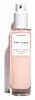
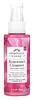
Herbivore Pink Cloud Rosewater + Tremella Creamy Jelly Cleanser Versus Heritage Store Rosewater Cleanser
This mild cream cleanser is made to cleanse while calming and soothing your skin.
This mild cream cleanser is made to cleanse while calming and soothing your skin.

What's inside
What's inside
 Key Ingredients
Benefits
Concerns
Ingredients Side-by-side
Water
Skin ConditioningRosa Damascena Flower Water
Masking

Decyl Glucoside
Cleansing
Glycerin
Humectant


Sodium Lauroyl Lactylate
EmulsifyingSqualane
Emollient
Glyceryl Caprylate
EmollientXanthan Gum
EmulsifyingGlyceryl Stearate
Emollient

Tremella Fuciformis Sporocarp Extract
Antioxidant
Caprylhydroxamic Acid
ChelatingCamellia Sinensis Leaf Extract
Antimicrobial


Aloe Barbadensis Leaf Juice
Skin Conditioning
Citric Acid
Buffering
Eclipta Prostrata Extract
Skin Conditioning
Sodium Hyaluronate
Humectant
Melia Azadirachta Leaf Extract
Skin ConditioningMoringa Oleifera Seed Oil
Emollient


Cocos Nucifera Fruit Juice
Emollient
Tapioca Starch
Water, Rosa Damascena Flower Water, Decyl Glucoside, Glycerin, Sodium Lauroyl Lactylate, Squalane, Glyceryl Caprylate, Xanthan Gum, Glyceryl Stearate, Tremella Fuciformis Sporocarp Extract, Caprylhydroxamic Acid, Camellia Sinensis Leaf Extract, Aloe Barbadensis Leaf Juice, Citric Acid, Eclipta Prostrata Extract, Sodium Hyaluronate, Melia Azadirachta Leaf Extract, Moringa Oleifera Seed Oil, Cocos Nucifera Fruit Juice, Tapioca Starch
Water
Skin ConditioningVitis Vinifera Seed Oil
Emollient
Rosa Damascena Flower Water
Masking
Potassium Olivoyl PCA
CleansingLactobacillus Ferment
Skin Conditioning
Sulfated Olive Oil
Cleansing
Sclerotium Gum
Emulsion StabilisingPhenoxyethanol
Preservative
Rosa Gallica Flower Extract
AstringentLactobacillus/Olive Leaf Ferment Extract
HumectantGlycerin
Humectant
Rosa Damascena Flower Oil
Masking



Rosa Damascena Callus Culture Extract
Antioxidant
Sodium Hyaluronate
Humectant
Water, Vitis Vinifera Seed Oil, Rosa Damascena Flower Water, Potassium Olivoyl PCA, Lactobacillus Ferment, Sulfated Olive Oil, Sclerotium Gum, Phenoxyethanol, Rosa Gallica Flower Extract, Lactobacillus/Olive Leaf Ferment Extract, Glycerin, Rosa Damascena Flower Oil, Rosa Damascena Callus Culture Extract, Sodium Hyaluronate
Reviews
Ingredients Explained
These ingredients are found in both products.
Ingredients higher up in an ingredient list are typically present in a larger amount.
Glycerin (or glycerol) is a compound naturally found in your skin. It's a powerhouse humectant that pulls water into the stratum corneum.
Topically, glycerin does several things at once:
Your skin makes glycerin on its own (mostly from sebaceous oil breakdown) and shuttles it to your outermost layer of skin, or your epidermis, via aquaporin-3.
Aquaporin-3 is a transporter that is essential for normal skin hydration, elasticity, and repair. Interestingly, mice lacking in AQP3 have dry and less elastic skin that can be fully corrected with glycerin.
This ingredient is non-irritating, plays well with almost every ingredient, and works across all skin types. Typical use is anywhere between 3-10% but can go up to 79% in some leave-on products.
Just know very high concentrations (>40%) can feel tacky in low humidity.
Glycerin is the name for this ingredient in American English. British English uses Glycerol/Glycerine.
Learn more about GlycerinRosa Damascena Flower Water is the water-based byproduct of steam-distilling damask rose petals. It has skin conditioning, masking, and skin protecting properties.
Research shows that Rosa damascena is rich in flavonoids and phenolic compounds like gallic acid that contribute to its antioxidant activity.
In vitro studies have shown that Rosa damascena can scavenge free radicals and reduce melanin overproduction. Research has also found this extract offers some degree of UV absorption but this should not replace your sunscreen.
Learn more about Rosa Damascena Flower WaterSodium Hyaluronate is the salt form of hyaluronic acid. It is a long sugar chain that is naturally found in your skin, joints, and connective tissue that maintains hydration and elasticity.
In skincare, it works as a humectant. It pulls water from the environment and deeper layers of skin and binds it to the surface.
Interestingly, the size of the molecule affects its behavior:
Some clinical evidence links low molecular weight versions to improved wrinkle depth, elasticity, anti-inflammatory effects, and barrier repair.
Many serums use a blend of both weights so you can get surface hydration plus longer-lasting and deeper effects.
You'll typically see concentrations between 0.1-2% for this ingredient.
Learn more about Sodium HyaluronateWater. It's the most common cosmetic ingredient of all. You'll usually see it at the top of ingredient lists, meaning that it makes up the largest part of the product.
So why is it so popular? Water most often acts as a solvent - this means that it helps dissolve other ingredients into the formulation.
You'll also recognize water as that liquid we all need to stay alive. If you see this, drink a glass of water. Remember to stay hydrated!
Learn more about Water


