This mild micellar makeup remover is made to dissolve makeup, sunscreen, and daily buildup.

What's inside
What's inside
 Benefits
Concerns
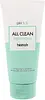
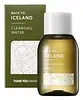
Ingredients Side-by-side
Water
Skin ConditioningPotassium Laureth Phosphate
EmulsifyingGlycerin
Humectant


Lauryl Hydroxysultaine
CleansingAcrylates/C10-30 Alkyl Acrylate Crosspolymer
Emulsion StabilisingQuillaja Saponaria Bark Extract
CleansingCentella Asiatica Extract
Cleansing



Hamamelis Virginiana Water
Astringent



Potassium Cocoyl Glutamate
Surfactant
Citric Acid
Buffering

Coco-Glucoside
Cleansing
Sodium Chloride
MaskingCaprylyl Glycol
Emollient
Glyceryl Caprylate
EmollientTromethamine
BufferingSodium Cocoyl Glutamate
Cleansing
Sodium Cocoyl Isethionate
Cleansing
1,2-Hexanediol
Skin Conditioning
Disodium EDTA
ChelatingWater, Potassium Laureth Phosphate, Glycerin, Lauryl Hydroxysultaine, Acrylates/C10-30 Alkyl Acrylate Crosspolymer, Quillaja Saponaria Bark Extract, Centella Asiatica Extract, Hamamelis Virginiana Water, Potassium Cocoyl Glutamate, Citric Acid, Coco-Glucoside, Sodium Chloride, Caprylyl Glycol, Glyceryl Caprylate, Tromethamine, Sodium Cocoyl Glutamate, Sodium Cocoyl Isethionate, 1,2-Hexanediol, Disodium EDTA
Cetraria Islandica Extract 83%
CleansingGlycerin
Humectant
PEG-6 Caprylic/Capric Glycerides
EmulsifyingDipropylene Glycol
HumectantRubus Chamaemorus Seed Extract
Skin ConditioningHamamelis Virginiana Leaf Extract
Skin Conditioning
Mentha Piperita Leaf Extract
Skin ConditioningMaltodextrin
Absorbent
Papain
Skin Conditioning
Gaultheria Procumbens Leaf Extract
Perfuming
Cymbopogon Schoenanthus Extract
Skin ConditioningCitrus Limon Fruit Oil
Astringent
Citrus Aurantium Dulcis Oil
Masking
Citrus Grandis Peel Oil
Masking
PPG-15 Stearyl Ether
EmollientPanthenol
Skin Conditioning
PEG-60 Hydrogenated Castor Oil
Emulsifying
Polyglyceryl-3 Caprate
EmulsifyingCocamidopropyl Betaine
Cleansing
Allantoin
Skin Conditioning
Butylene Glycol
Humectant
Sodium Chloride
MaskingWater
Skin ConditioningDisodium EDTA
ChelatingPhenoxyethanol
Preservative
Chlorphenesin
Antimicrobial
Ethylhexylglycerin
Skin Conditioning1,2-Hexanediol
Skin Conditioning
Parfum
Masking
Cetraria Islandica Extract 83%, Glycerin, PEG-6 Caprylic/Capric Glycerides, Dipropylene Glycol, Rubus Chamaemorus Seed Extract, Hamamelis Virginiana Leaf Extract, Mentha Piperita Leaf Extract, Maltodextrin, Papain, Gaultheria Procumbens Leaf Extract, Cymbopogon Schoenanthus Extract, Citrus Limon Fruit Oil, Citrus Aurantium Dulcis Oil, Citrus Grandis Peel Oil, PPG-15 Stearyl Ether, Panthenol, PEG-60 Hydrogenated Castor Oil, Polyglyceryl-3 Caprate, Cocamidopropyl Betaine, Allantoin, Butylene Glycol, Sodium Chloride, Water, Disodium EDTA, Phenoxyethanol, Chlorphenesin, Ethylhexylglycerin, 1,2-Hexanediol, Parfum
Reviews
Ingredients Explained
These ingredients are found in both products.
Ingredients higher up in an ingredient list are typically present in a larger amount.
1,2-Hexanediol is a synthetic liquid and another multi-functional powerhouse.
It is a:
- Humectant, drawing moisture into the skin
- Emollient, helping to soften skin
- Solvent, dispersing and stabilizing formulas
- Preservative booster, enhancing the antimicrobial activity of other preservatives
Disodium EDTA is a chelating agent. It grabs onto and deactivates metal ions that sneak into your products from water, packaging, or air.
This ingredient mainly works behind the scenes and helps with:
On top of that, this ingredient can counteract the effects of hard water by binding to the minerals in it.
One thing worth knowing is that Disodium EDTA has been shown to be a mild penetration enhancer. It can help other ingredients absorb into skin more effectively which can be a double-edged sword (great for actives, but can also make the active too strong if you have sensitive skin).
Clinical patch testing showed no significant skin irritation at typical use concentrations and minimal dermal absorption.
You'll most likely see this ingredient near the end of an ingredient list. It's typically found in concentrations less than 1%.
Learn more about Disodium EDTAGlycerin (or glycerol) is a compound naturally found in your skin. It's a powerhouse humectant that pulls water into the stratum corneum.
Topically, glycerin does several things at once:
Your skin makes glycerin on its own (mostly from sebaceous oil breakdown) and shuttles it to your outermost layer of skin, or your epidermis, via aquaporin-3.
Aquaporin-3 is a transporter that is essential for normal skin hydration, elasticity, and repair. Interestingly, mice lacking in AQP3 have dry and less elastic skin that can be fully corrected with glycerin.
This ingredient is non-irritating, plays well with almost every ingredient, and works across all skin types. Typical use is anywhere between 3-10% but can go up to 79% in some leave-on products.
Just know very high concentrations (>40%) can feel tacky in low humidity.
Glycerin is the name for this ingredient in American English. British English uses Glycerol/Glycerine.
Learn more about GlycerinChances are, you eat sodium chloride every day. Sodium Chloride is also known as table salt. This ingredient has many purposes in skincare: thickener, emulsifier, and exfoliator.
You'll most likely find this ingredient in cleansers where it is used to create a gel-like texture. As an emulsifier, it also prevents ingredients from separating.
You might see people debate whether Sodium Chloride is comedogenic, but there actually haven't been any comedogenic tests done on it. Either way, the overall formulation of a product matters a lot more than any single ingredient.
You might see this ingredient used in scrubs as a primary exfoliating ingredient.
Learn more about Sodium ChlorideWater. It's the most common cosmetic ingredient of all. You'll usually see it at the top of ingredient lists, meaning that it makes up the largest part of the product.
So why is it so popular? Water most often acts as a solvent - this means that it helps dissolve other ingredients into the formulation.
You'll also recognize water as that liquid we all need to stay alive. If you see this, drink a glass of water. Remember to stay hydrated!
Learn more about Water

